
Curtain and Drapery Cleaning in Tysons, VA
A Tysons condo window is usually a wall of glass with a track running its whole length, and the panels on it are longer and heavier than anything in a townhouse. Access rules, elevator bookings and building work hours shape the job as much as the fabric does.
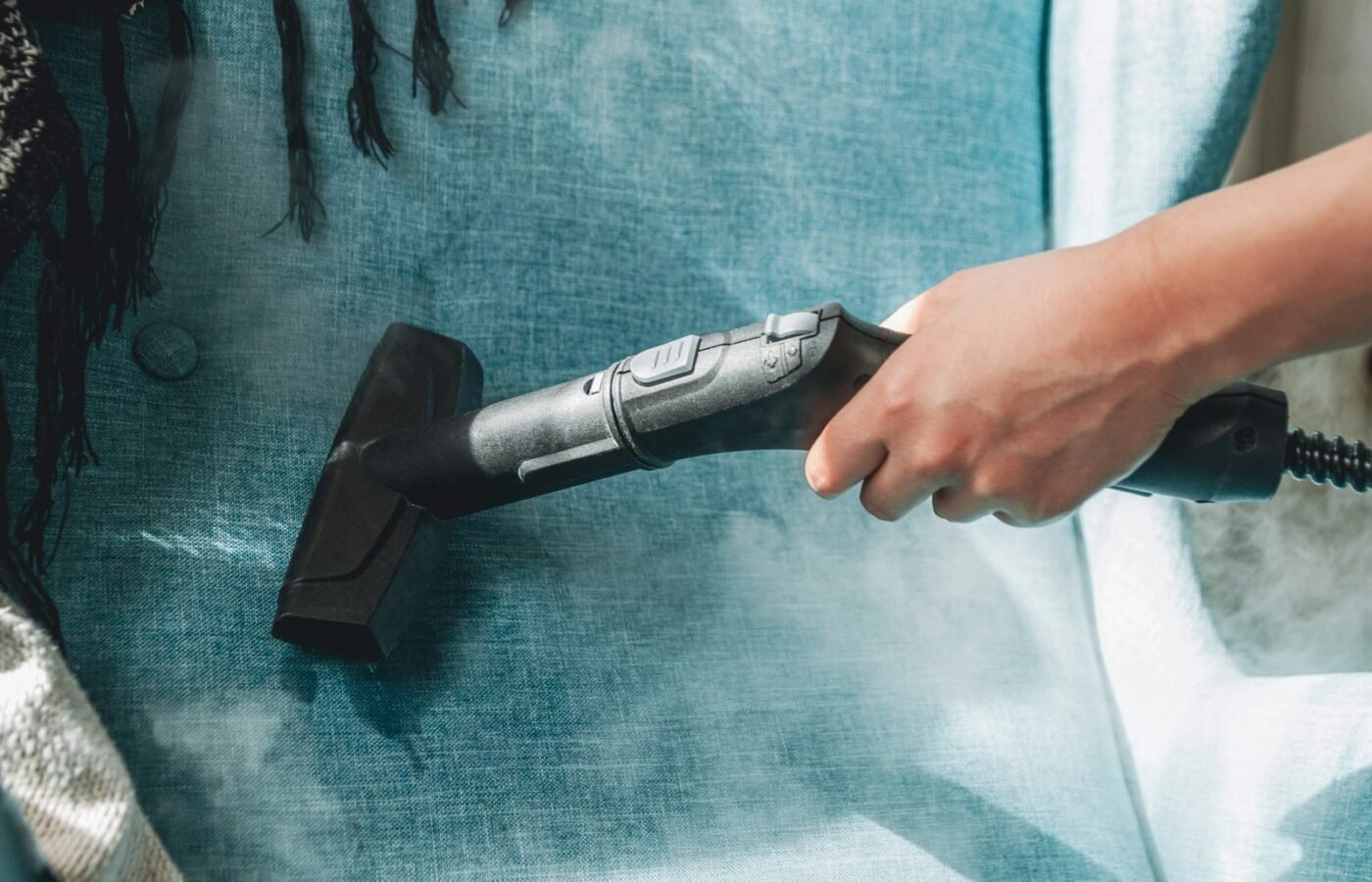
A Glass Wall Is Not a Window
Almost every request for curtain cleaning in Tysons comes from a unit where the glazing runs floor to ceiling and the track runs wall to wall. That changes three things at once. The panels are long, commonly a hundred and eight to a hundred and thirty two inches of drop. There is no window sill to rest a hem on while you work. And the glass behind them radiates heat all afternoon, which ages the fabric from the back rather than the front.
Sun at the fifteenth floor is not the sun at ground level. There is no tree line, no neighboring roof, nothing between the glass and the sky from late morning onward. Panels in a west facing unit take that load every day, and the layer that fails first is almost never the pretty side.
Blackout Linings and What Heat Does to the Backing
Bedroom blackout panels in these buildings are usually a decorative face fabric bonded or sewn to an opaque backing, often an acrylic foam coating in three thin passes. That coating is what stops the light, and it is also the part that gives up. Heat cycles it, humidity from the glass works at it, and after enough years it starts to powder. Agitate a panel in that state and you will produce a snowstorm of white flakes and a panel that no longer blocks anything.
Signs a blackout backing is past cleaning
- White dust on the sill or the track carrier under the panel
- The backing feels chalky rather than rubbery when rubbed between two fingers
- Pinpoint light showing through the coating when the panel is held up to the glass
- The backing has separated from the face cloth along the bottom hem
- Cracking that follows the fold lines where the panel stacks
Where the coating is sound, low moisture cleaning on the track works well and the panel is dry within a couple of hours. Where it is failing, we clean the face fabric only, gently, and tell you plainly that the light blocking will not come back.
Certificates, Freight Elevators and Quiet Hours
Half the planning for a high rise job has nothing to do with fabric. Most buildings in 22102 and 22182 want a certificate of insurance naming the association on file before a vendor comes up, and many require the freight elevator to be reserved and padded. Work is often limited to weekday daytime hours, and loading dock use may be limited further. We sort all of that with the management office ahead of the visit rather than turning up and hoping.
Bring that up when you call. If you know your building needs paperwork, saying so on the first call takes days off the schedule. If you do not know, we will ask the office ourselves.
Parking matters too. A visitor space and a loading dock are not the same thing, and carrying a bundle of twelve foot panels through a residential lobby is not how anybody wants to spend a Tuesday. Where a dock exists, we use it, and the equipment comes up in one trip rather than four.
When There Is Nowhere to Lay a Panel Down
A one bedroom unit does not have twelve feet of clear floor, and even a large condo rarely has somewhere safe to spread a long lined panel. So on site work is the default in Tysons: the panel stays on its carriers, gets a controlled vacuum pass along both faces, then a low moisture treatment worked from the header down. Nothing gets soaked. A panel that is dripping is a panel that is going to shrink and mark the carpet under it.
Some fabrics still have to leave, particularly silk, wool blends and anything with a water sensitive dye. When that happens, the panels come out through the service elevator in labeled bags and come back the same way. Drapery cleaning in Tysons that goes off site takes a few days, and we plan around whichever room can be dark or exposed for that stretch.
Sheers, Motorized Tracks and the Layer Underneath
Two layer treatments are the norm here: a sheer for daytime privacy against the glass, a heavier panel outside it. Sheers look clean and are not. They hold fine airborne dust and cooking residue that shows up the moment a clean one hangs beside an untouched one, so sheer cleaning is done at the same visit or not at all. On motorized tracks we disengage the panels at the carrier rather than fighting the mechanism, and the motor is never wet.
One more thing peculiar to these units: condensation. On cold mornings a glass wall sweats, and a sheer resting against it wicks that moisture up an inch or two along the bottom. Over several winters you get a faint tide line and, in the worst units, mildew spotting near the hem. Cleaning removes the residue, but if the panel is touching the glass, the line comes back. Shortening the hem by an inch or moving the track out on deeper brackets fixes the cause.
Arranging Curtain Cleaning in Tysons
Sky Carpet Cleaners is owner operated, and the owner has spent over a decade on fabric across Fairfax County. The inspection is free and carries no obligation. Many units here book the panels alongside carpet cleaning in Tysons, and where a unit is being turned over, upholstery cleaning in Tysons on the sofa under the window makes sense at the same visit. Loose wool pieces go out for rug cleaning, heavy traffic lanes near the balcony door usually want carpet steaming rather than a light pass, and a dog in a condo means pet odor removal is worth discussing while we are there. We work the same buildings and the same corridor through McLean and Herndon. Call (540) 628-5274 with your floor, your exposure and your building’s vendor rules, and we will tell you what can be done on the track in Tysons, VA and what cannot.
What this looks like
A real job, before and after. Drag the handle.
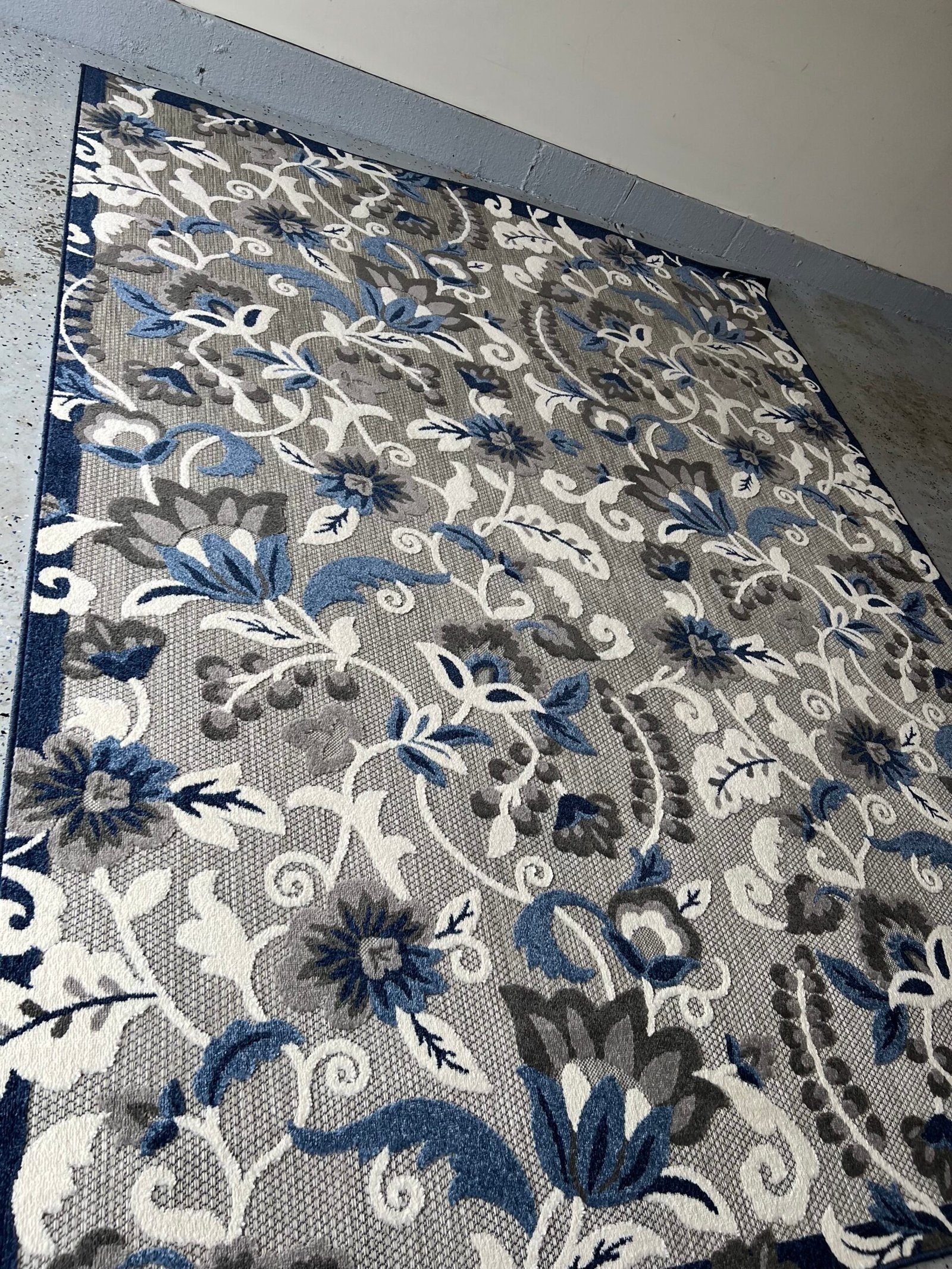
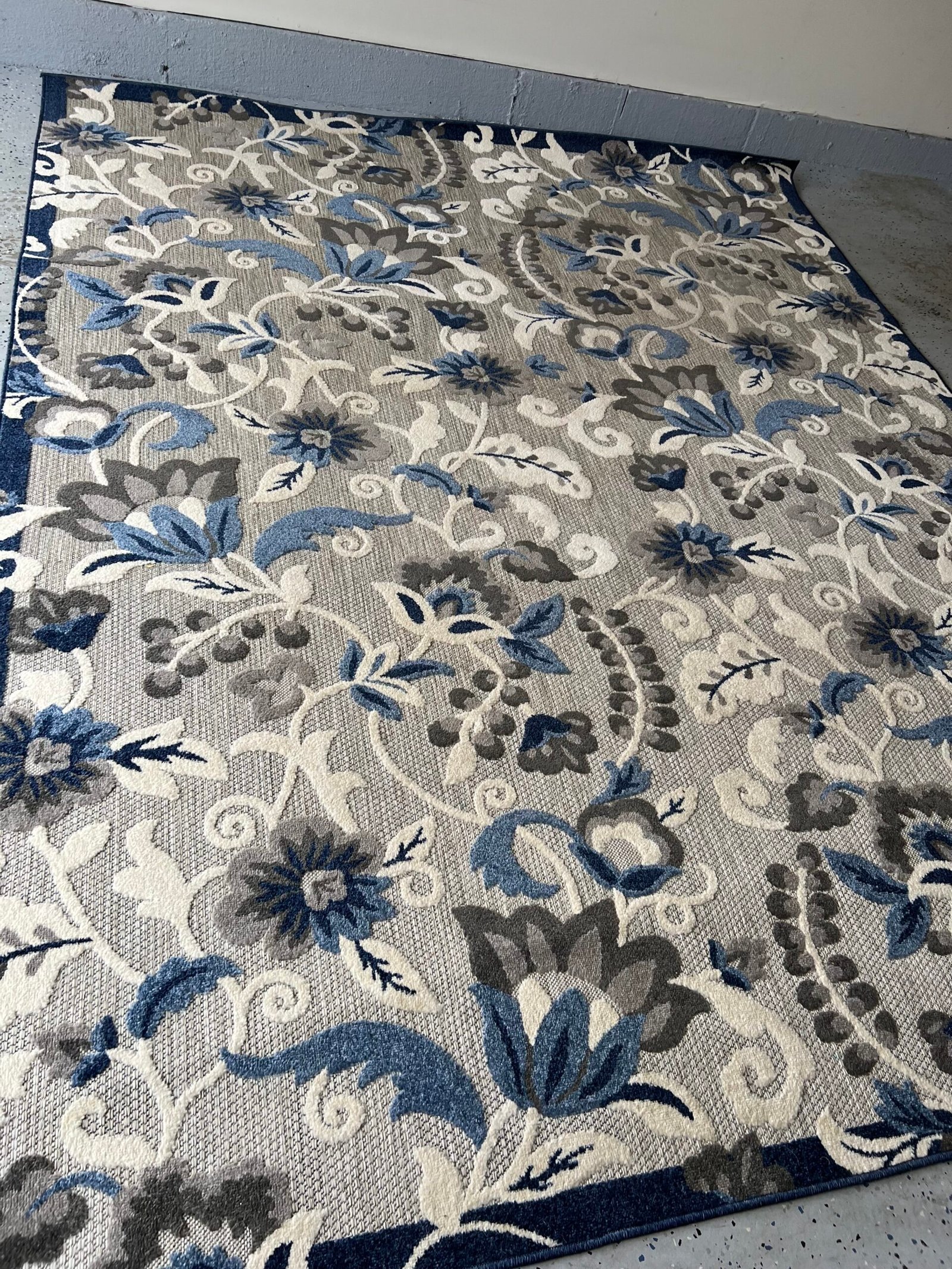
Drag the handle. The left half is where we came in.
Questions we get about this
Can you clean condo panels without taking them off the track?
In most Tysons units, yes, and it is usually the better option. A long panel has nowhere safe to lie down in a condo, so we vacuum both faces on the carriers and work a low moisture treatment from the header down. The fabric is damp rather than wet and dries in about two hours with the unit ventilated normally.
Does my building need paperwork before you come up?
Most do. Associations here typically want a certificate of insurance on file naming the association, and many require a reserved and padded freight elevator with a set time slot. Tell us your building on the first call and we will contact the management office ourselves. Sorting it in advance is the difference between a scheduled visit and a wasted trip.
My blackout curtains have white flakes on the sill. What is that?
That is the opaque backing breaking down. Blackout panels use a coating applied to the reverse, and heat from a glass wall degrades it over the years until it powders and cracks along the fold lines. We can still clean the face fabric carefully, but the light blocking does not come back once the coating has gone chalky.
Why do panels on the west side of the building wear faster?
There is nothing above the tenth floor to shade them. No trees, no rooflines, no neighboring buildings for much of the arc, so the fabric takes direct afternoon light for hours and the glass behind it re radiates heat. Damage shows up on the back and along the leading edge first, which is why we inspect a panel from the room side and the window side.
Can you work around building quiet hours?
We work within whatever the association allows, which in most Tysons buildings means weekday daytime only, sometimes with restricted loading dock windows. Curtain work is quiet in any case, with no loud equipment running for long stretches. If your building permits Saturday vendor access we can often use it, but that is the association's rule to set, not ours.
What about the sheers behind the main panels?
Clean them at the same visit. Sheers trap fine dust and cooking residue and they look fine until a freshly cleaned one hangs next to one that was skipped, at which point the difference is obvious across the room. Sheers are light, they dry quickly, and they almost always stay on the track while we work.
Do motorized tracks cause a problem?
No, as long as the panels are released at the carriers rather than pulled against the drive. We disengage each panel by hand, keep all moisture away from the motor and the track rail, and reattach in the original order so the stack still closes evenly. If a carrier is already cracked we will point it out while the track is empty.
Do you cover both Tysons zip codes?
Yes, 22102 and 22182, and the surrounding parts of Fairfax County. Because high rise visits depend on elevator bookings, we schedule them with a firm arrival window rather than an open ended one. Give us the building, the floor and the number of panels and you will get a realistic time slot rather than a guess.
Have a look at it in person
Walkthroughs are free and take about fifteen minutes. We agree the scope together and point out anything that will not come out before a hose comes off the truck. Over a decade in Northern Virginia and that has not changed.