
Upholstery Cleaning
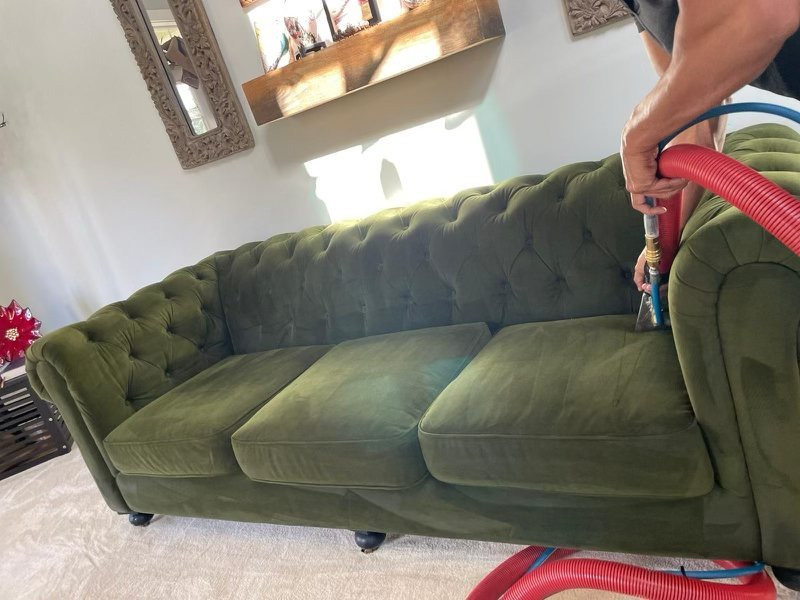
Every piece gets identified by fiber and by manufacturer cleaning code before any product touches it, because the code decides whether water is safe at all. Sofas, sectionals, chairs, dining seats, headboards, and ottomans are cleaned with a hand tool, never a floor wand.
The cleaning code decides everything
Almost every piece sold here carries a manufacturer cleaning code, on a tag under a seat cushion or stapled to the deck below the frame. We read it before we look at the stain, because the code sets the method.
- W: water based cleaning is safe. Most polyester, microfiber, and olefin pieces land here.
- S: solvent only. Water can leave permanent rings, shrink the weave, or release the backing.
- WS: either method is acceptable, which gives us the most room on spot work.
- X: vacuuming and dry soil removal only. No water and no solvent, whatever the fabric looks like.
The code is not the whole story, so we test the fiber too. Rayon and viscose blends brown and stiffen with water even under a W code, and loose weave linen shifts if you flood it.
Hand tool extraction versus low moisture
On durable W coded synthetics we use hot water extraction with a small upholstery hand tool, never the wand used on floors. Solution reaches the tool at 150 to 180 degrees Fahrenheit, near neutral pH, with 5 to 10 minutes of dwell on soiled zones before extraction.
On delicate goods (S coded fabric, cotton velvet, linen, silk blends, vintage pieces) we switch to low moisture: a measured amount of product, agitation with a soft horsehair brush, and immediate towel or dry vacuum recovery. It cleans less aggressively, and it avoids the browning and watermarking that come from putting more water into a fabric than it can release.
Wood legs and skirts
Water on an exposed wood leg lifts finish and raises grain, so legs and show wood get blocked and kept dry. We stay off the bottom inch of a skirt, where wicking pulls soil up and leaves a dark line after drying. If the piece sits on an area rug we move it first and treat rug cleaning as its own job.
Cushion covers stay on the cushion
The zipper on a cushion is there for the factory, not for you. Cotton and rayon blend covers shrink once soaked and will not go back over the foam, and washing strips the finish and puckers the seams. We clean covers in place, both sides, and leave them zipped.
Body oil on headrests and arms
The dark patches on a headrest and the front of the arms are not ordinary soil. They are skin oil and hair product oxidized into the fiber over years. That takes a degreasing or solvent pre-spray, dwell time, gentle agitation, and usually two passes. On a light piece used daily for a decade, the oil has often altered the dye and a shadow stays.
Drying, unlabeled pieces, and testing
An extracted sofa is dry to the touch in 2 to 4 hours and dry through the foam in 6 to 8 with air moving across it. Low moisture work is normally dry in 1 to 3 hours.
Vintage and unlabeled furniture is treated as the most restrictive case until testing proves otherwise. We check colorfastness in three hidden places and look at whether the fabric is glued rather than sewn. When a fabric will not test clean we decline the job and explain why.
Clear the crevices before we arrive: remotes, coins, and pet toys out of the deck, and anything breakable off the side tables. We dry vacuum every seam first. We work across Northern Virginia, including Tysons, Herndon, and Purcellville, and can pair a sofa with carpet cleaning in Sterling or pet odor removal on one appointment.
Recent upholstery cleaning work
Real jobs in Northern Virginia homes, photographed on the day.
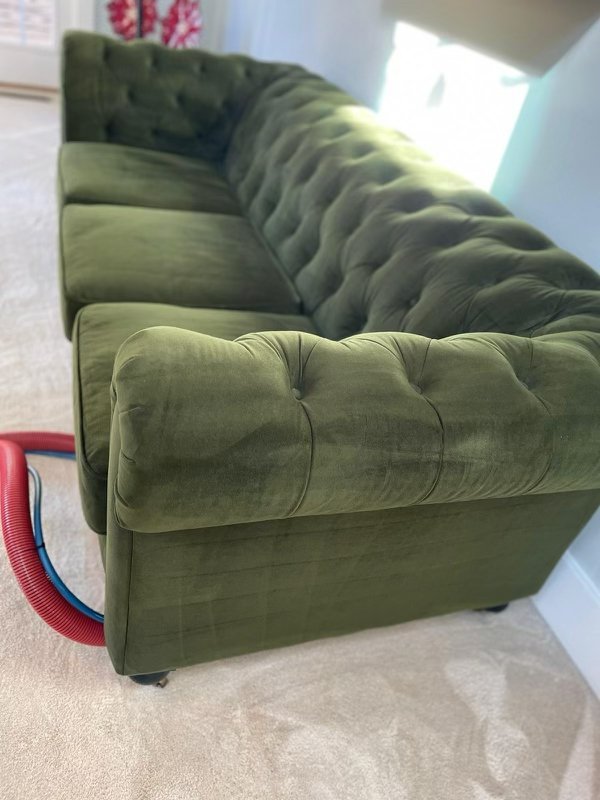
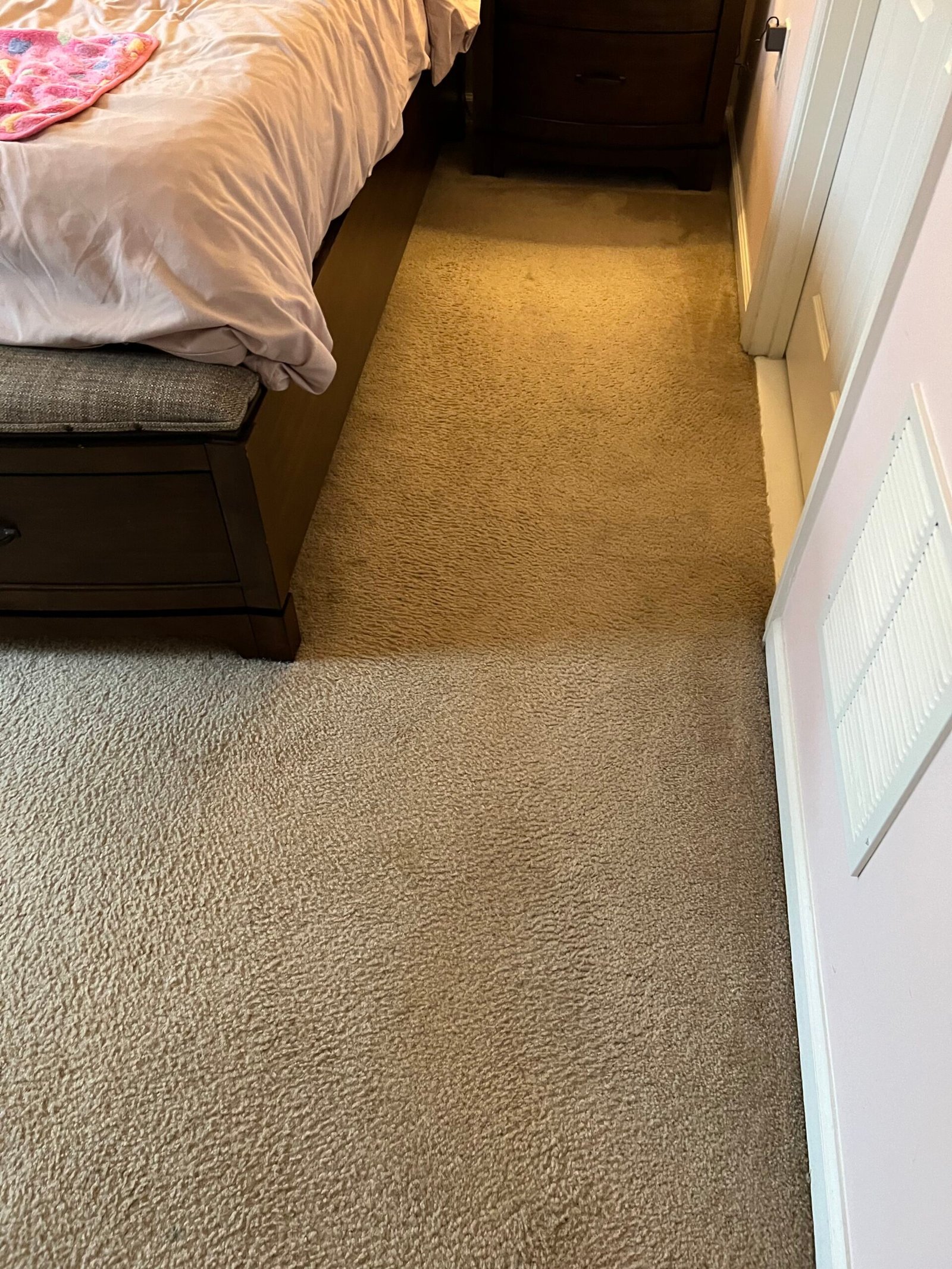
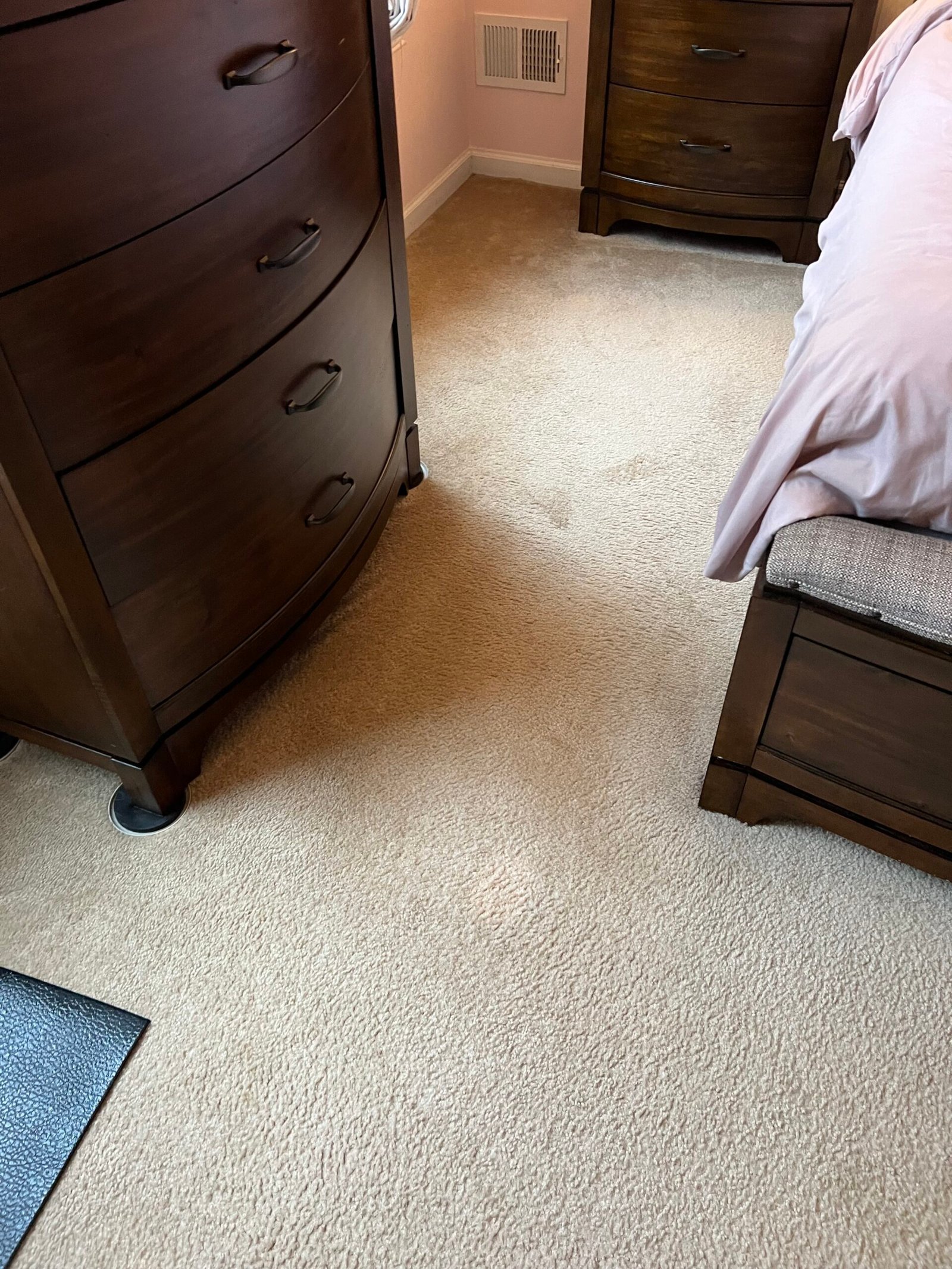
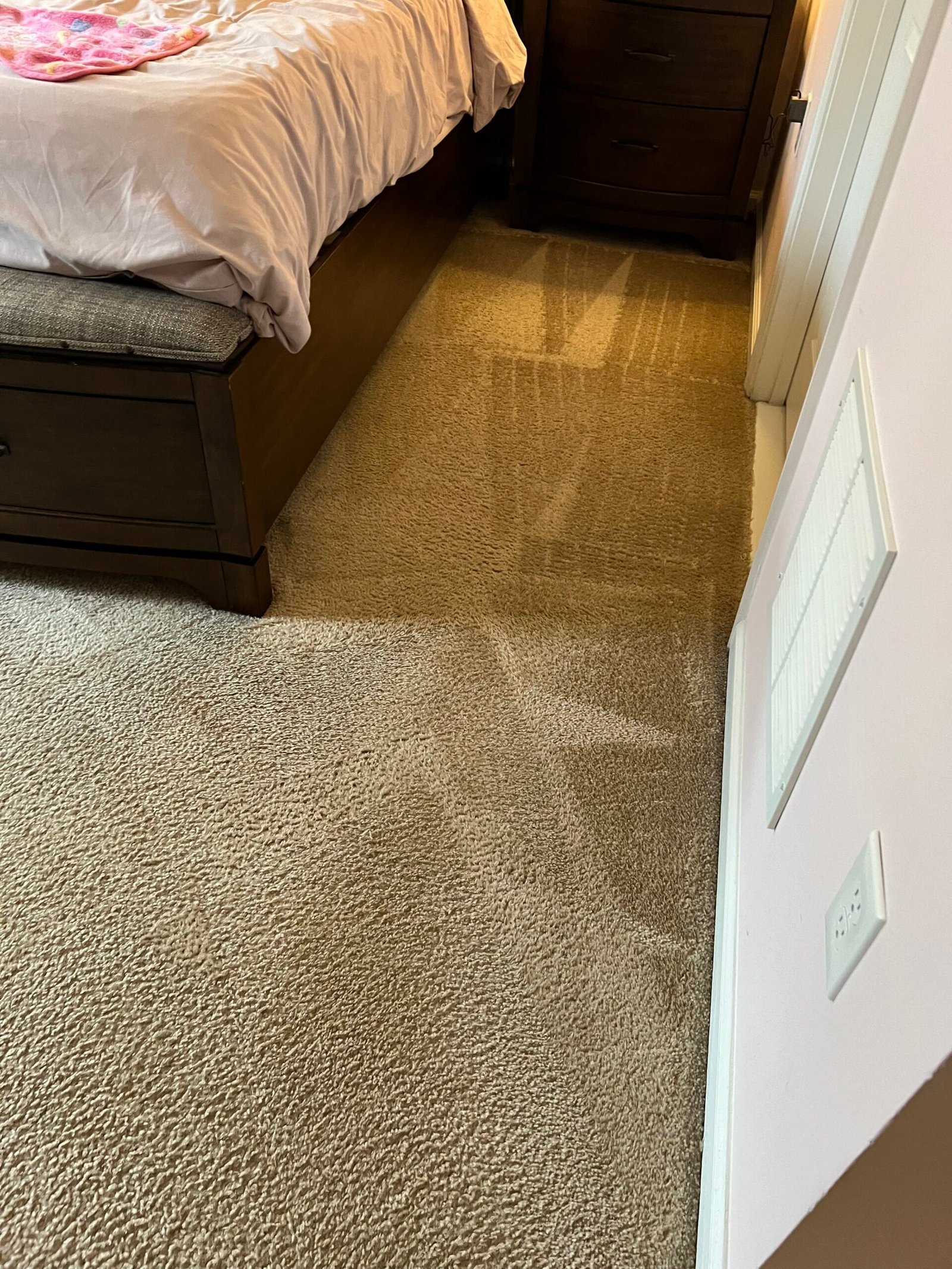
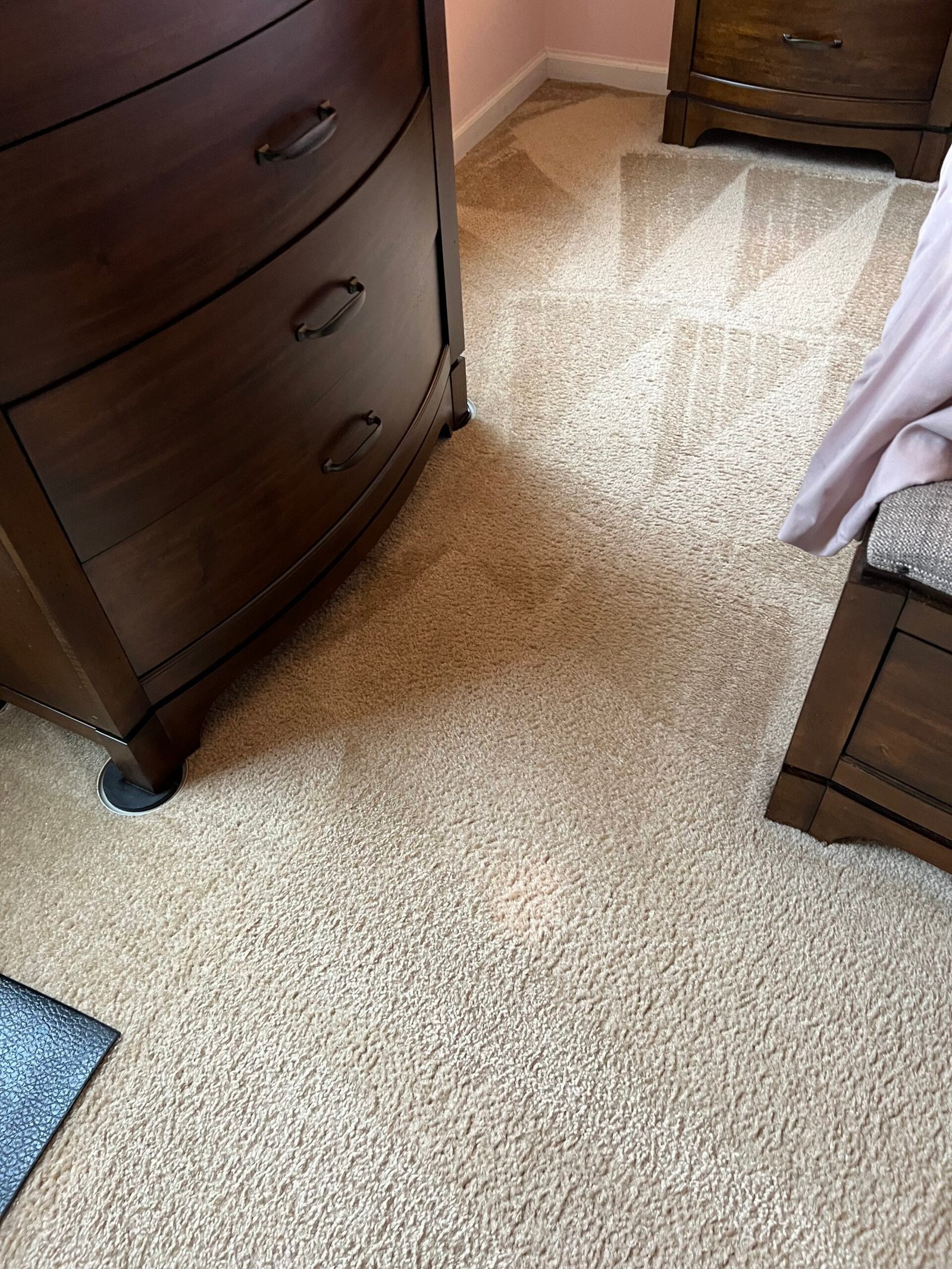
What this looks like
A real job, before and after. Drag the handle.
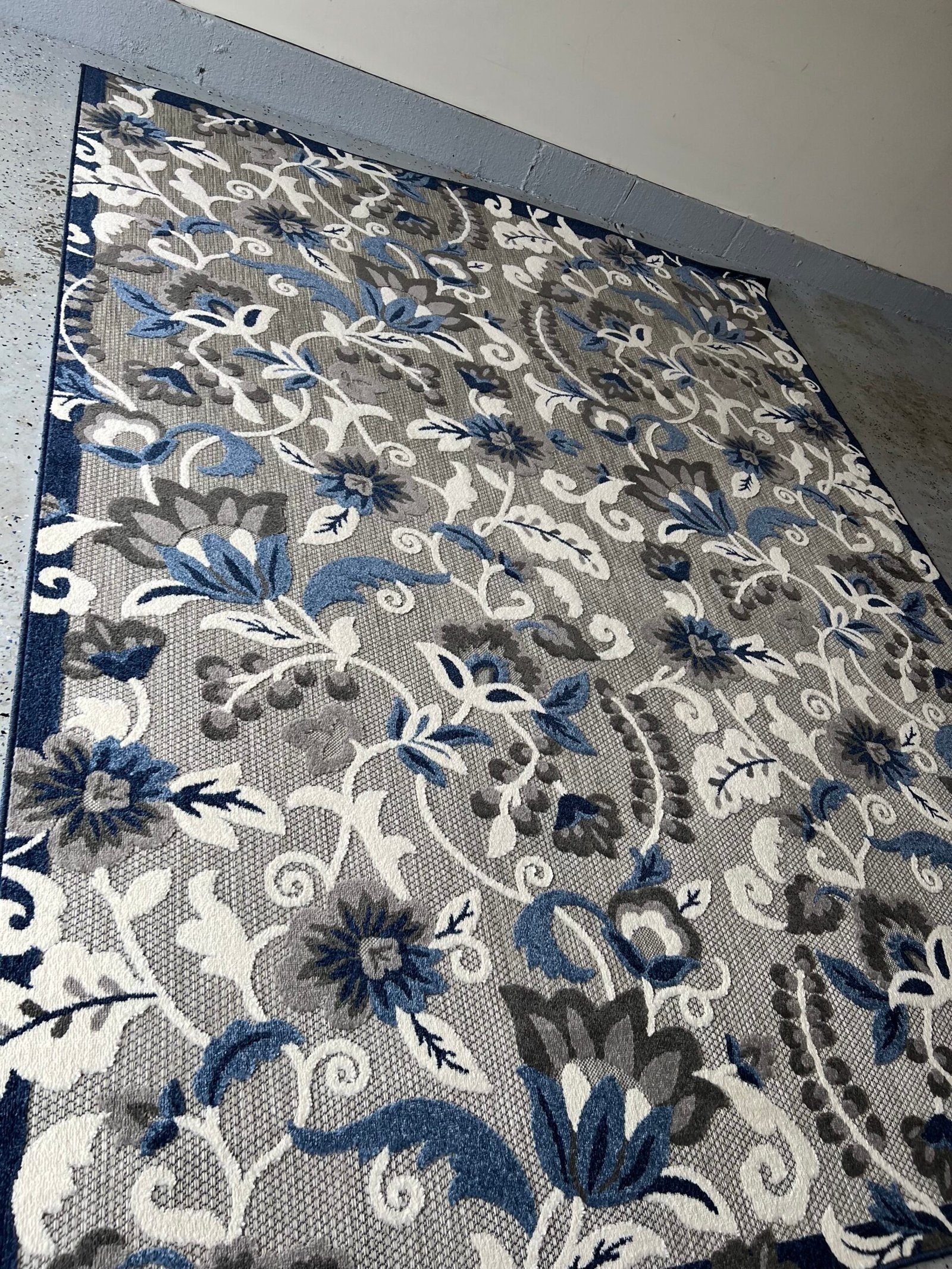
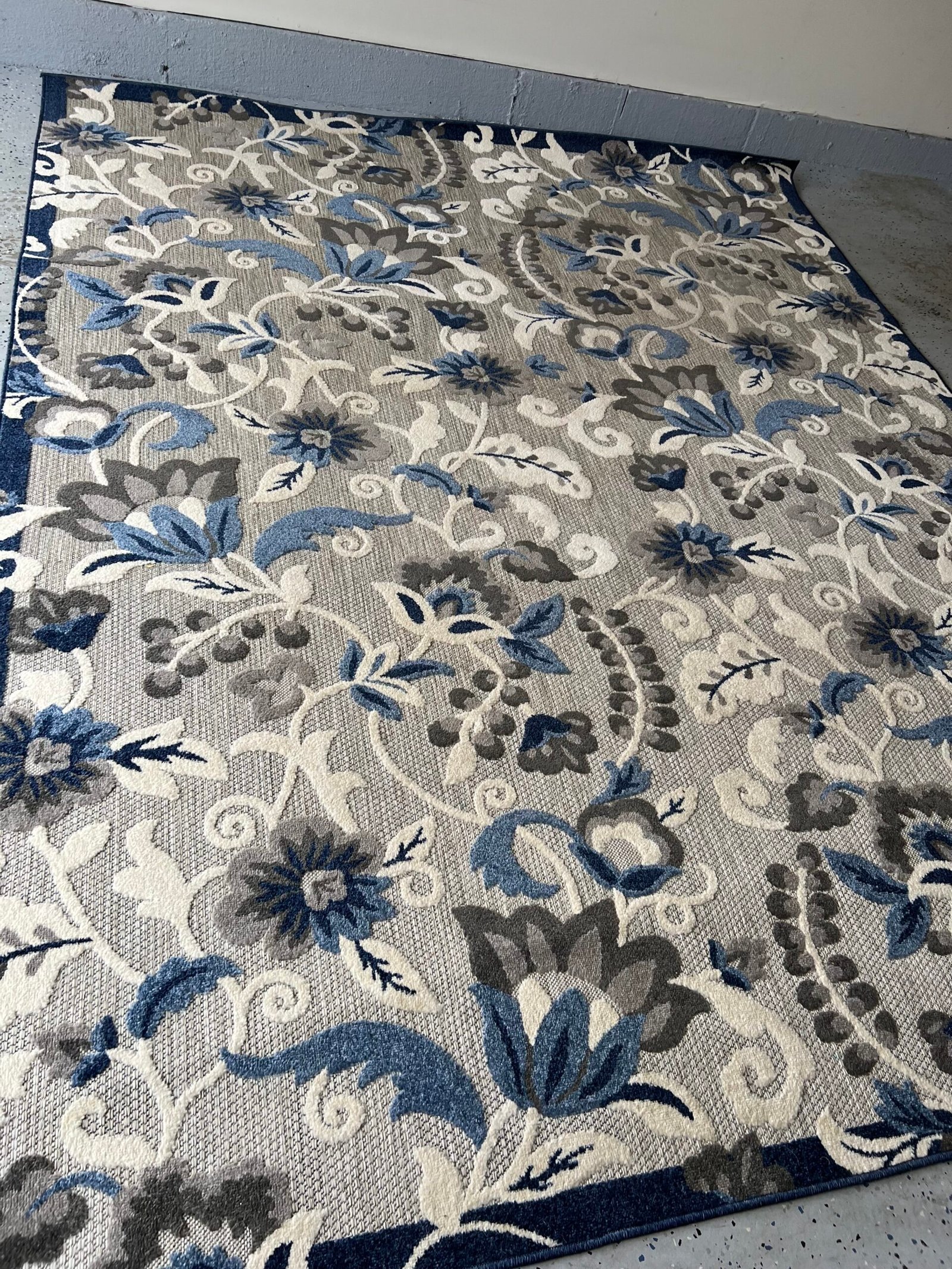
Drag the handle. The left half is where we came in.
Questions we get about this
Where do I find the cleaning code on my sofa?
Unzip a seat cushion and look at the tag inside, or tip the piece and check the deck fabric under the frame. The code is a single letter: W, S, WS, or X. Reading it before we arrive helps, but we always check ourselves, and we test the fabric independently because tags are sometimes wrong or belong to a different piece.
How long before I can sit on my couch again?
After hot water extraction, dry to the touch in about 2 to 4 hours and dry through the foam in 6 to 8 with air moving. Low moisture cleaning is usually ready in 1 to 3 hours. Leave the cushions standing on edge and run a fan or the HVAC fan. Keep throws and pets off until the fabric is no longer cool to the hand.
Can you take the cushion covers off and clean them separately?
No. Cotton and rayon blend covers shrink once soaked and will not fit back over the foam, and washing strips the factory finish and puckers the seams. We clean covers in place, front and back, with the cushion inside them. If a cover has already been machine washed and shrunk, cleaning will not bring it back to size.
Will the dark spots on the headrest and arms come out?
They lighten, usually substantially, but rarely disappear. Those areas are skin oil and hair product oxidized into the fiber over years. We use a degreasing or solvent pre-spray, give it dwell time, agitate gently, and often make two passes. On a light colored sofa used daily for a decade, the oil has frequently changed the dye and a shadow remains.
What do you do with a vintage chair that has no tag?
We treat it as the most restrictive code until testing says otherwise. That means colorfastness testing in three hidden spots, checking whether the fabric is glued rather than sewn, and inspecting the deck and frame for old water damage. If it will not test clean we decline the piece and explain why. We would rather turn down work than ruin an irreplaceable chair.
How do I keep a light colored sofa clean between visits?
Vacuum the deck, the crevices, and both faces of every cushion with an upholstery tool every week or two, because dry soil is what abrades fiber and dulls color. Rotate and flip the cushions so one seat does not take all the wear. Blot spills with a white towel, working inward from the edge, and never scrub. A washable throw keeps hair product off the headrest.
Do you clean dining chairs and headboards too?
Yes. Dining seats, upholstered headboards, ottomans, benches, and office chairs are handled with the same hand tool and the same code first approach. Dining seats often have a solid wood frame around a fabric pad, so we block the wood and keep the moisture low. Headboards are cleaned in place against the wall with towels behind them.
Does cleaning remove fabric protector, and should I reapply it?
Factory protector wears off with use, and some of what remains comes off with any real cleaning. Reapplying is worthwhile on light colored fabric in a household with children or pets, since it buys you time to blot a spill before it becomes a stain. It does not make a sofa stainproof, and it does nothing for body oil on a headrest.
The rest of what we do
- Carpet Cleaning Rooms, stairs, hallways and traffic lanes, cleaned with truck mounted extraction.
- Steam Cleaning and Hot Water Extraction The method itself: hot water at pressure, pulled back out with the soil.
- Rug Cleaning Wool, silk, oriental and antique rugs, washed by hand off site.
- Curtain and Drapery Cleaning Panels, sheers and lined drapery, cleaned in place or taken down.
- Pet Odor and Stain Removal Treated down at the pad and the subfloor, not sprayed on the surface.
Have a look at it in person
Walkthroughs are free and take about fifteen minutes. We agree the scope together and point out anything that will not come out before a hose comes off the truck. Over a decade in Northern Virginia and that has not changed.