
Upholstery Cleaning in McLean, VA
Most McLean houses we work in hold two populations of furniture: pieces that are used hard every evening, and pieces that have sat in a front room for a decade being quietly coated by the air. Both need cleaning, and almost nothing about the two jobs is the same.
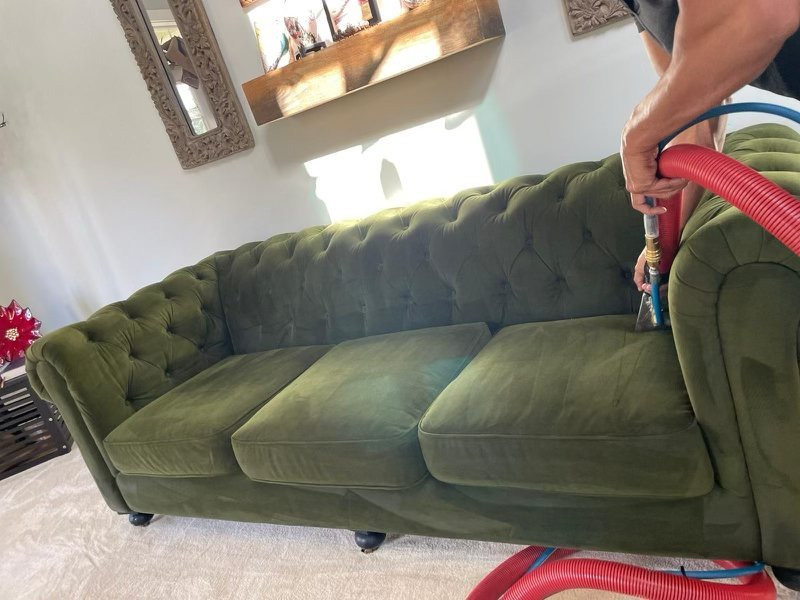
The sofa nobody sits on is not the clean one
The most common thing we correct on upholstery cleaning in McLean jobs is the belief that a formal living room sofa must be clean because the family never uses it. It is not clean, it is undisturbed. Airborne dust, cooking oil that carries farther through an open plan than people expect, and afternoon sun settle into the fabric and stay. Because nobody sits on the piece, nothing ever compresses and releases to shake the loose material back out. Twelve years of that leaves a flat gray cast over the arm tops and the crown of each cushion that the owner reads as fading. Cleaning one hidden panel and setting it beside the exposed fabric ends the argument in about four seconds.
Twenty feet away in the family room sits a second sofa used every night. It is dirtier in the obvious sense and better off in another: it has been vacuumed more often and it carries its soil in concentrated places rather than as an even film. Same house, same ZIP code, whether that is 22101, 22102 or 22106, and the two pieces need different chemistry, different dwell time and a different amount of water.
What the tag says, and what to do when there is no tag
Under a cushion or along a deck seam there is usually a small white label with one letter on it. W means the fabric takes water based cleaning. S means solvent only, and water will leave a ring you cannot fix. WS means either method is acceptable. X means vacuum only, no liquid of any kind, and it is the one letter that ends the conversation about wet cleaning entirely.
Houses in McLean, VA are full of pieces that never had a code, or had one that has been cut off, laundered away or hidden by a reupholstery job done twenty years ago. Inherited chairs, pieces bought abroad and anything with a hand woven face fall into this group constantly.
Testing a hidden panel before anything else
On an unlabeled piece we find somewhere invisible, the underside of a skirt, the back deck behind a cushion, the inside of an arm facing the wall, and we work a small area with the mildest solution first. We watch for color transfer onto a white towel, for the weave to relax or pucker, and for a water mark at the edge of the damp area once it dries. That test takes fifteen or twenty minutes and it decides the whole job. If the fabric bleeds or rings, we say so, and sometimes the honest answer for a delicate piece is dry soil removal and nothing wet at all.
Two rooms, two methods, one afternoon
The family room sectional almost always gets hot water extraction with a hand tool: heated solution, a controlled amount of moisture into the fabric, and immediate recovery on the same stroke. That is what actually removes the ground in material rather than moving it around. The formal pieces frequently get a low moisture method instead, where the cleaning agent does the work and very little liquid ever enters the foam. Deciding which is which is the reason we walk the whole house before opening a single bottle, and in a large McLean home that walk can turn up nine or ten pieces the homeowner had not planned to mention. Upholstery cleaning in McLean almost always covers more furniture than the caller estimated, and it is far better to establish that at nine in the morning.
- Sofas, sectionals and loveseats, cleaned panel by panel rather than in broad passes
- Dining chair seats and backs, which collect more food residue than anyone believes
- Headboards, which take hair product on the top third and almost nothing elsewhere
- Ottomans and benches, usually the dirtiest square foot of upholstery in the house
- Occasional chairs in bedrooms and studies, often unlabeled and often the most delicate items on the list
Protecting wood, floors and everything the sofa sits on
A great deal of McLean furniture stands on finished wood legs, carved feet or a fabric skirt that reaches within an inch of the floor. Moisture at that line is where damage happens: a water mark on a leg, a swollen foot, or a dark ring transferred onto hardwood underneath. We block the feet, protect the floor beneath the piece, and keep the hand tool away from the last inch of any skirt, cleaning it with a much drier technique. Cushion covers are a related trap. Many zip, which makes them look removable, but they are cut to the foam with no allowance, and one wash cycle takes enough out of a panel that it will never stretch over the cushion again. We clean them in place.
Drying, and where the rest of the house fits
A cleaned panel feels dry after something like two to four hours if air is passing over it. The foam behind it holds water far longer, closer to twelve to twenty four hours, which is why cushions are left standing on edge overnight instead of dropped flat. Fairfax County humidity in July stretches that; a dry week in October shortens it.
Upholstery cleaning in McLean is rarely the only item on the list in these houses. Wall to wall under the same seating usually needs carpet cleaning, and booking carpet cleaning in McLean on the same visit means one setup instead of two. If a dog sleeps against the sofa, ask about pet odor removal in McLean before we start, because pet odor removal treats the source rather than the surface. Wool and silk area rugs go out for rug cleaning rather than being cleaned on the floor, and long formal panels are handled through curtain cleaning while the sofa dries. We run the same routes through Tysons and Great Falls, so a second property nearby is easy to add to the day.
Recent upholstery cleaning work
Real jobs in Northern Virginia homes, photographed on the day.
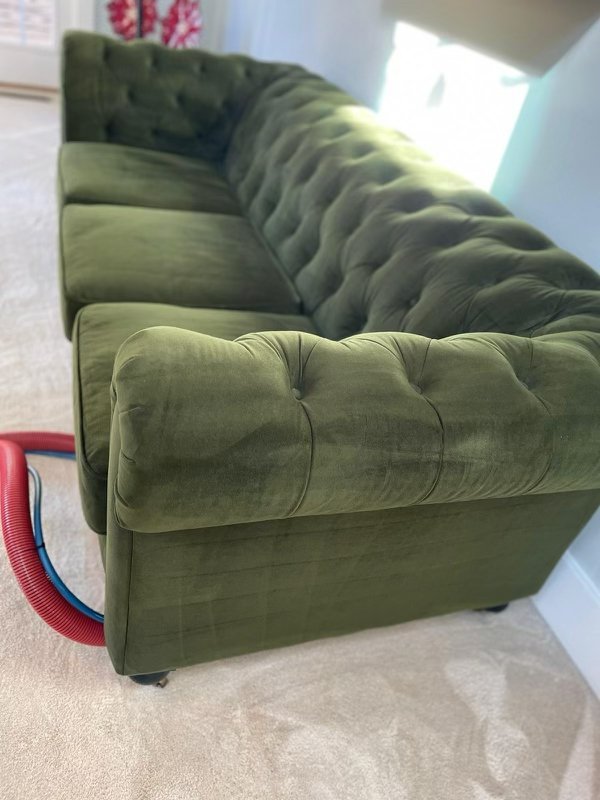
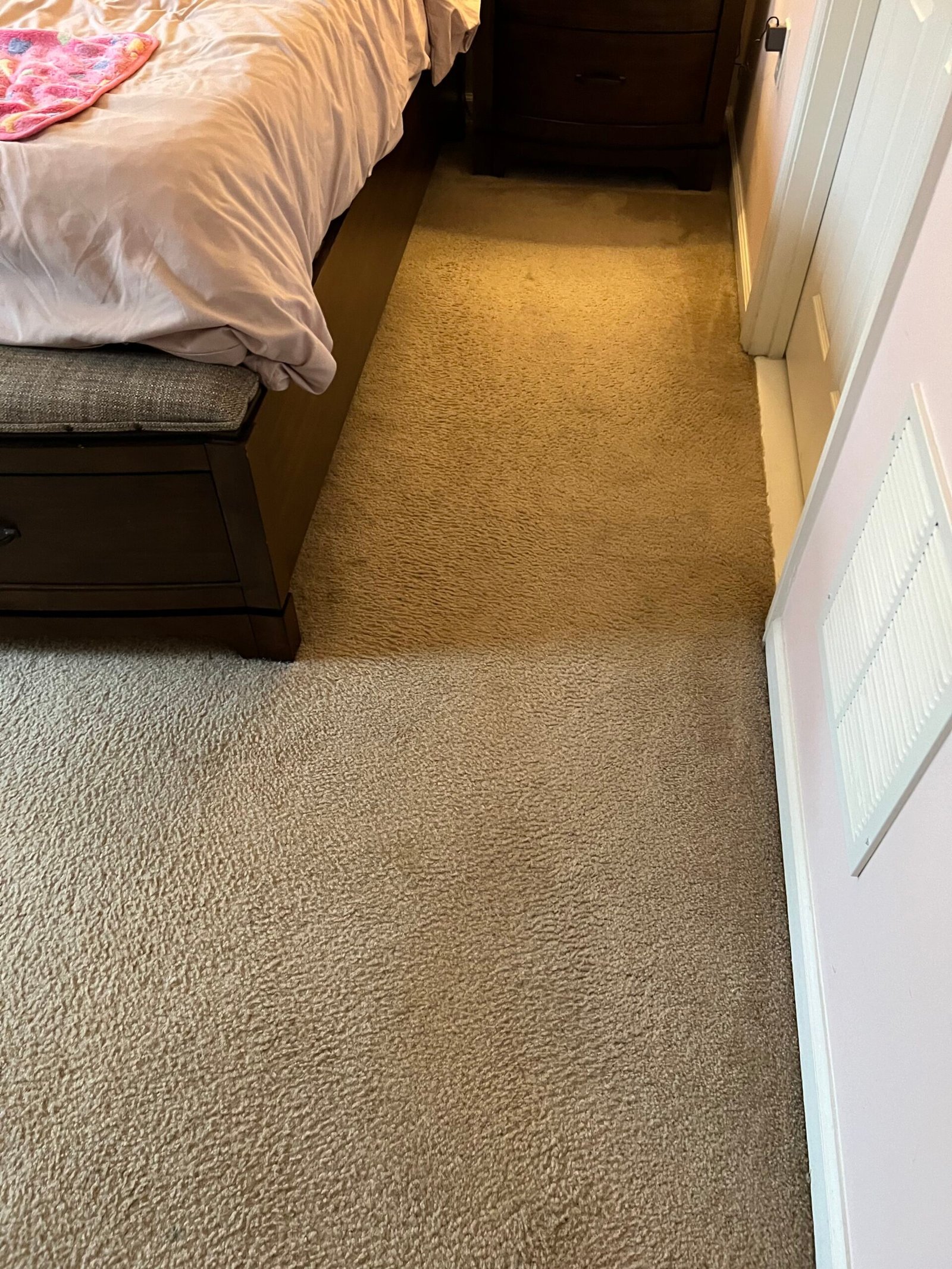
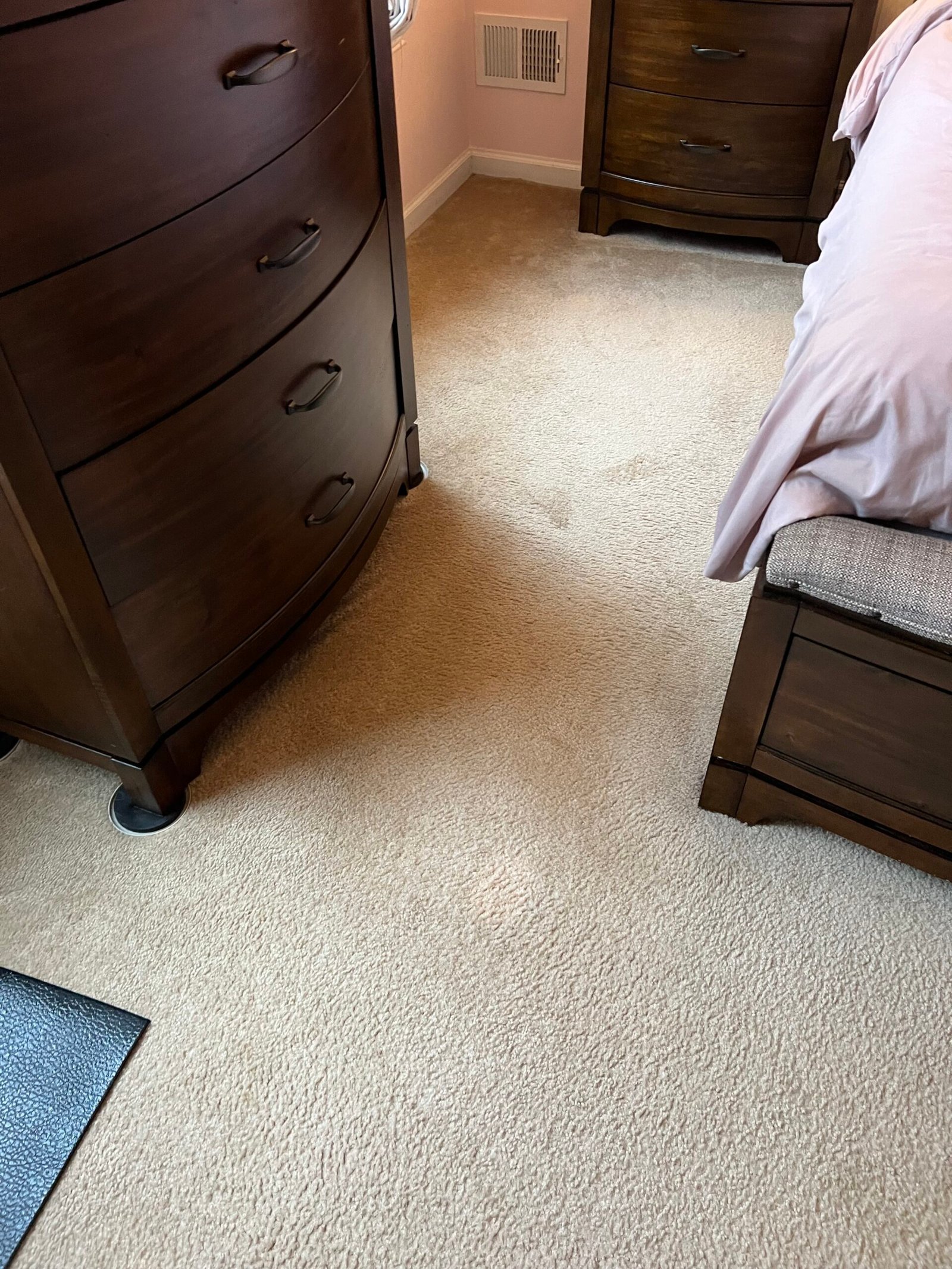
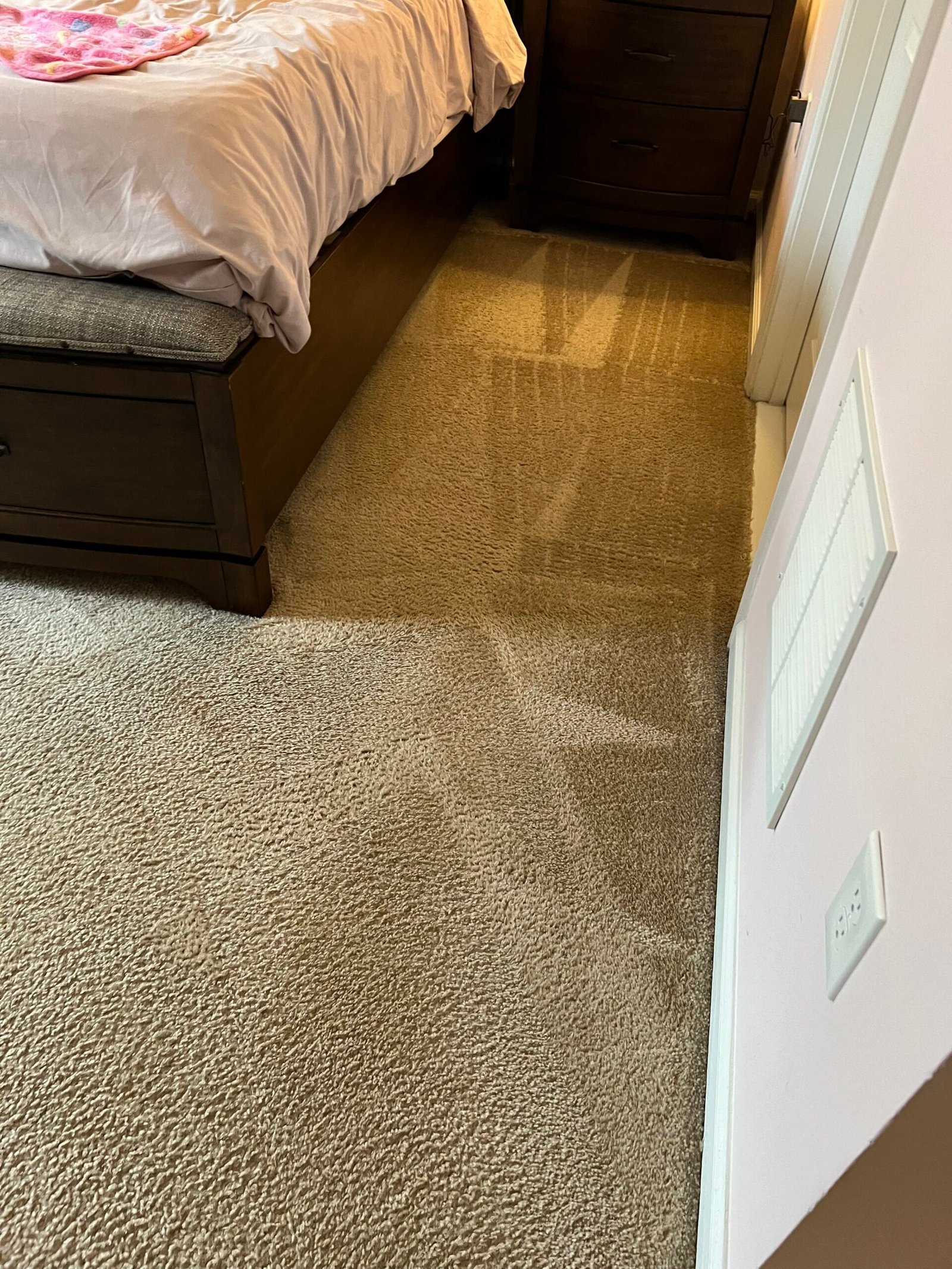
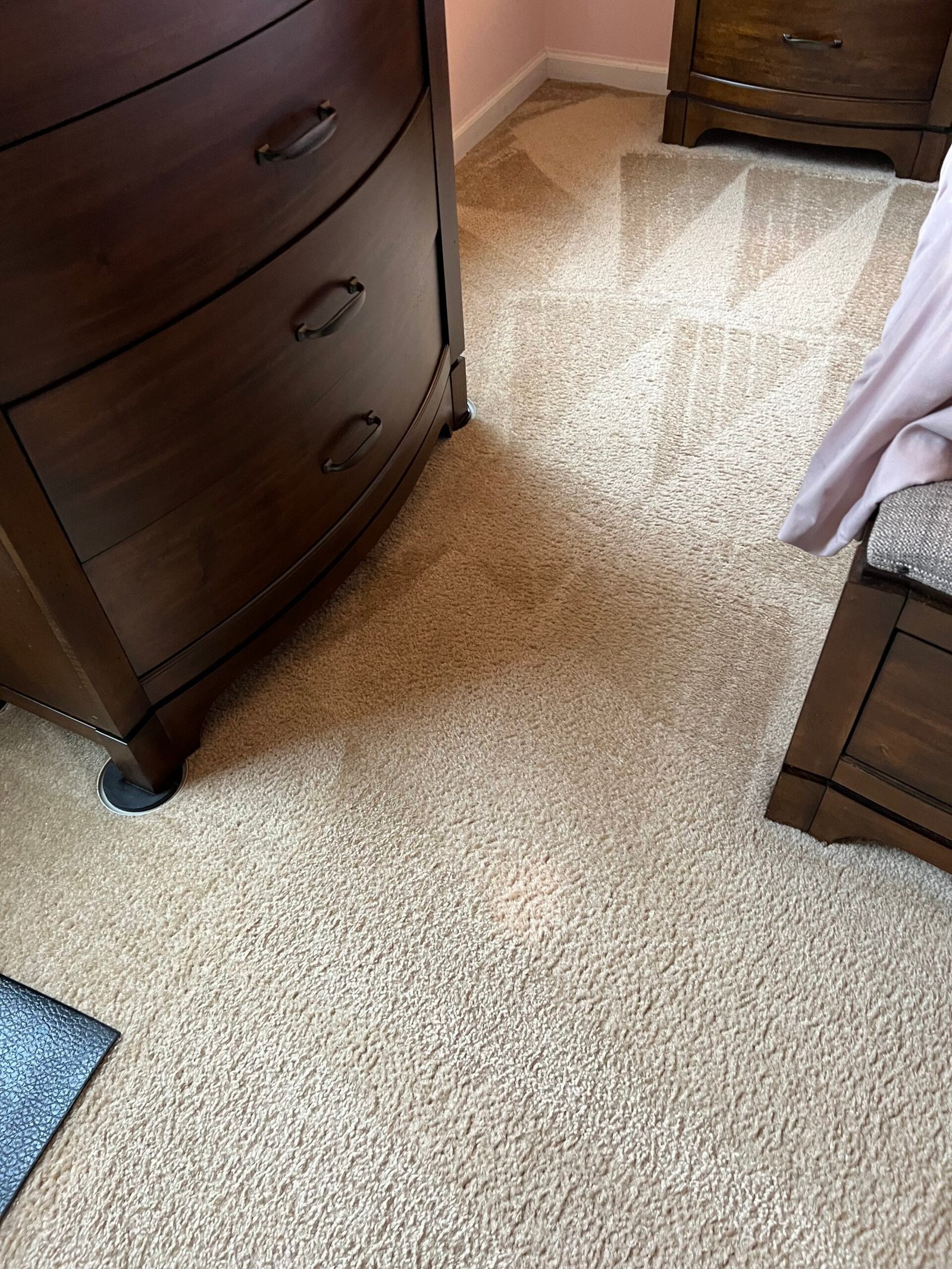
What this looks like
A real job, before and after. Drag the handle.
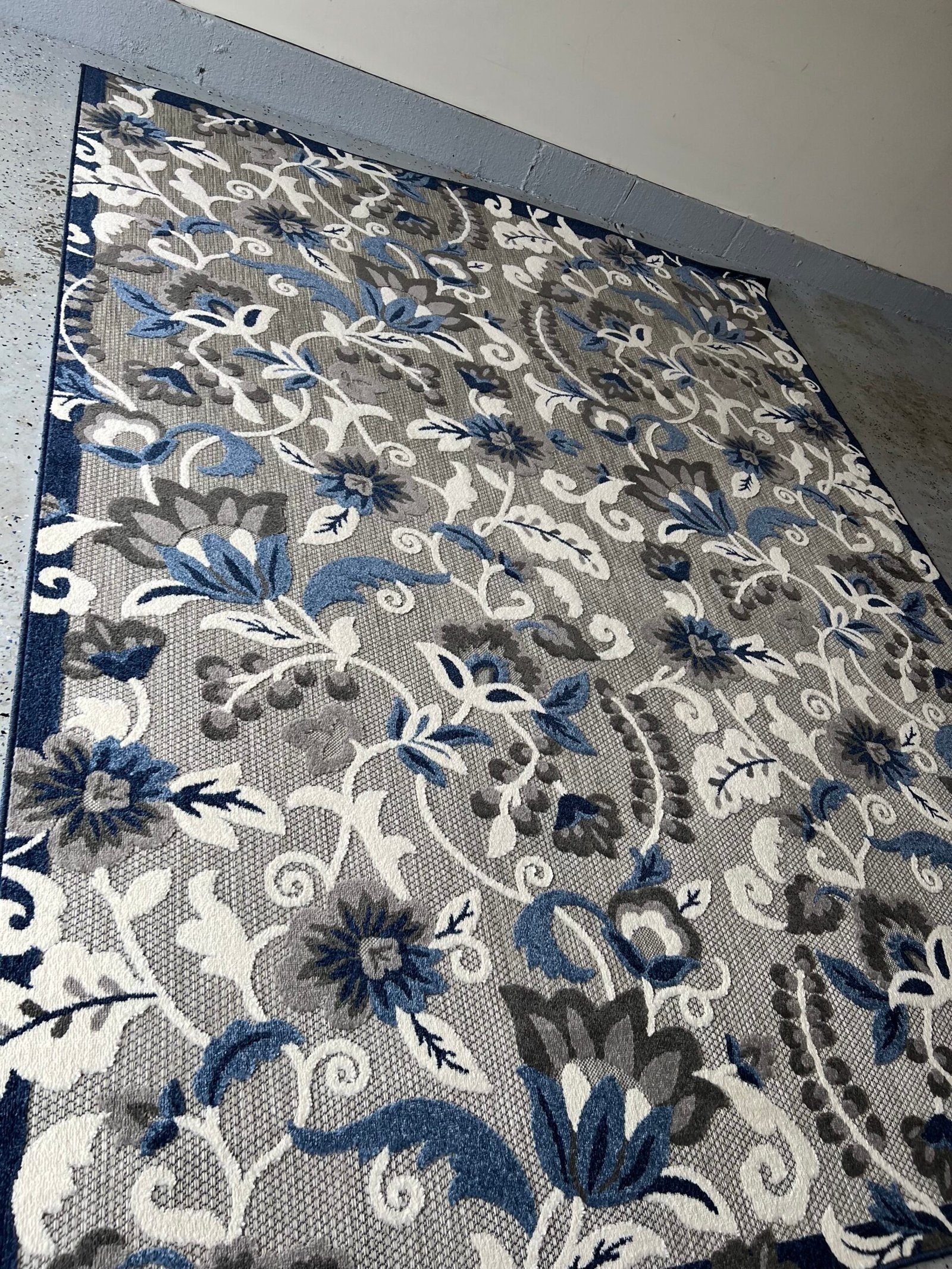
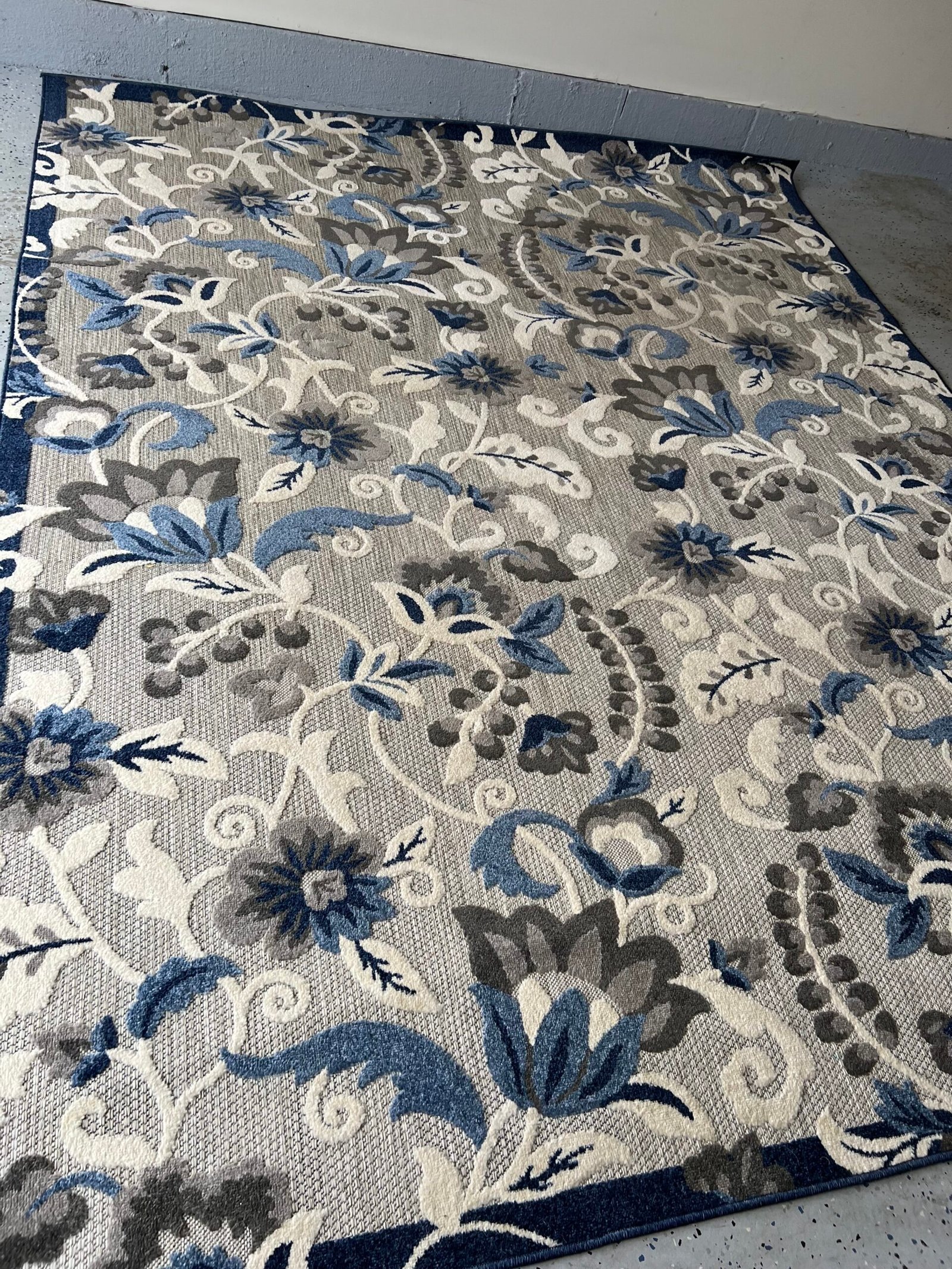
Drag the handle. The left half is where we came in.
Questions we get about this
Our formal sofa has not been cleaned in twelve years. Is it too late?
Usually not. What looks like fading on an unused piece is almost always an even layer of settled dust and airborne cooking oil rather than lost color. We clean a hidden panel first and compare it to the exposed fabric, which tells both of us how much is recoverable before any commitment is made. Genuine sun damage on the window side does not come back, and we will say so plainly.
Two of our chairs have no tags at all. What happens then?
They get treated as unknown fabric, which means a test in a hidden place before anything else. We look for dye transfer onto a white towel, for the weave shifting or puckering, and for a ring at the edge of the damp patch after it dries. If any of those appear, we do not wet clean the piece. Dry soil removal is still worthwhile and carries no risk to the fabric.
Can you clean the sofa and the carpet underneath on the same day?
Yes, and it is the sensible order. We clean upholstery first so any overspray or drips land on carpet that has not yet been cleaned, then extract the floor afterward. One equipment setup covers both. In a McLean house with several sitting rooms this often turns into a half day, so tell us the full list when you call rather than at the door.
How soon can we sit on the furniture again?
The face fabric is dry to the touch in about two to four hours if a fan is running or the air handler is on. The foam inside takes far longer, often twelve to twenty four hours. Sitting on a cushion whose core is still damp pushes moisture back to the surface and can leave a mark, so we suggest standing the cushions on edge overnight.
Should we unzip the cushion covers and wash them first?
Please do not. A zipper makes a cover look removable, but the panels are cut to the exact dimensions of the foam and a wash cycle shrinks them by enough that they will not go back on. We have been called to houses where three covers are sitting in a laundry basket, permanently too small. We clean covers in place, on the foam, where they stay the right size.
Do you pull furniture away from the wall to reach the back?
When it can be moved safely, yes, because outward facing backs collect dust and the sides facing a window take the most sun exposure. In larger rooms this is rarely a problem. If a piece is built in, extremely heavy or resting on a floor we do not want to drag anything across, we clean what is reachable and tell you honestly what was not.
What is the practical difference between a W code and an S code?
A W fabric can be cleaned with heated water based solution and hot water extraction, which flushes soil out of the fibers and recovers it immediately. An S fabric will show a water ring at the edge of any damp area, so it is cleaned with a solvent method and very little moisture. Using the wrong one on an S piece is difficult to correct afterward.
We have a silk blend chair in the study. Will you clean it?
Only after testing, and sometimes the answer is no. Silk and silk blends are prone to dye movement and to water marking, and a blend that behaves well in one place on the piece can behave badly six inches away. If the test shows any transfer we stop, explain what we saw, and limit the work to dry soil removal rather than risk a chair that cannot be replaced.
Have a look at it in person
Walkthroughs are free and take about fifteen minutes. We agree the scope together and point out anything that will not come out before a hose comes off the truck. Over a decade in Northern Virginia and that has not changed.