
Curtain and Drapery Cleaning
Drapery gets dirty slowly and gets ruined quickly by the wrong method. We match the process to the construction, and we tell you before we start if a panel is too far gone to touch.
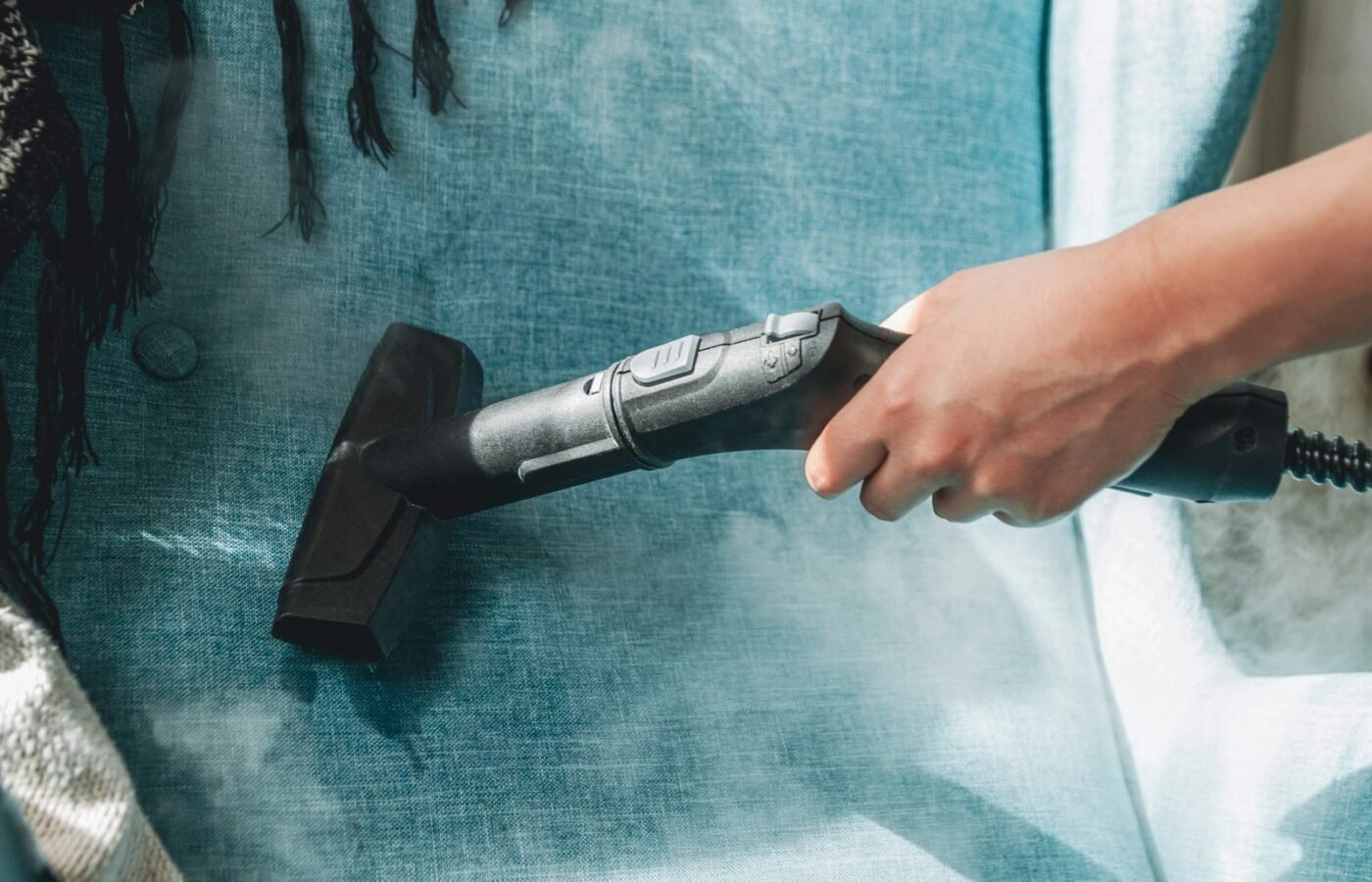
On the rod, or off the rod
On site cleaning means we work the panels while they hang: vacuum both faces with a soft horsehair brush, then run a dry solvent or low moisture tool down the panel and pull it straight back out. Nothing leaves the rod, and the fabric is dry to the touch in 2 to 4 hours.
Off site means we take the panels down, tag each one by window, clean them flat, press them, and rehang them ourselves. That is the right call for heavy lined drapery, a hard soil line at the hem, or anything not cleaned in five years. In older houses in Great Falls we still find lined panels that have never come off the rod.
Why lined and interlined drapery shrinks
A lined panel is two or three fabrics sewn into one: face cloth, lining, and on interlined drapery a cotton flannel between them. Each layer shrinks at a different rate once wet. The face might move a quarter inch while the lining moves a full inch, and you get puckered seams and a hem that no longer reaches the floor. That is permanent.
So we do not wet clean lined or interlined drapery. Not in a machine, not in a tub, not with a wand.
Dry solvent versus low moisture
Dry solvent carries no water, so the layers never swell. We use it on silk, rayon, viscose, wool, and anything tagged dry clean only.
Low moisture is water based, held at 90 to 105 degrees Fahrenheit at the tool, pH 6.5 to 8, and recovered on the same pass so the fabric never goes past damp. It suits unlined cotton, linen blends, polyester sheers, and most roman shade faces. It is not the hot water extraction we run on floors, and that machine never goes near a window treatment.
Sun rot, and the panels we turn down
The leading edge, the one you touch when you draw a panel closed, takes the most sun. On south and west windows ultraviolet light breaks the fiber down from the outside in. Silk goes first, then rayon, then cotton.
We pinch that edge and the bottom hem and apply light pressure. Sound fabric resists. Rotted fabric splits or powders. If a panel fails, we stop, because even vacuuming can turn a weak panel into a torn one. Some old drapery cannot be cleaned safely by any method.
Dust, hardware, and rehanging
Floor length panels sit in the return air path and work like a standing filter. What comes out is consistent:
- Settled dust from the room and the supply registers
- Pollen, heaviest in spring
- Skin cells and pet dander, which is what dust mites feed on
- Cooking film in open kitchens, and furnace soot along the top of the panel
Once a year for allergy households, every two to three years otherwise. If we are already doing upholstery cleaning in the room, panels on the same visit save a trip.
Hooks, rings, and weights are counted and bagged by window. Pin hooks come out first because they rust and ring the header. Panels are pressed flat, pleats hand set, and on rehang we dress the folds and tie them loosely for 24 hours.
Off site work runs 5 to 7 business days from pickup to rehang. We cover the same route for panels as for floors, from McLean and upholstery cleaning in Tysons out to Leesburg and the western Prince William County line. Before we arrive, clear the floor under each window and move furniture back from the wall so a ladder can stand square under the rod.
What this looks like
A real job, before and after. Drag the handle.
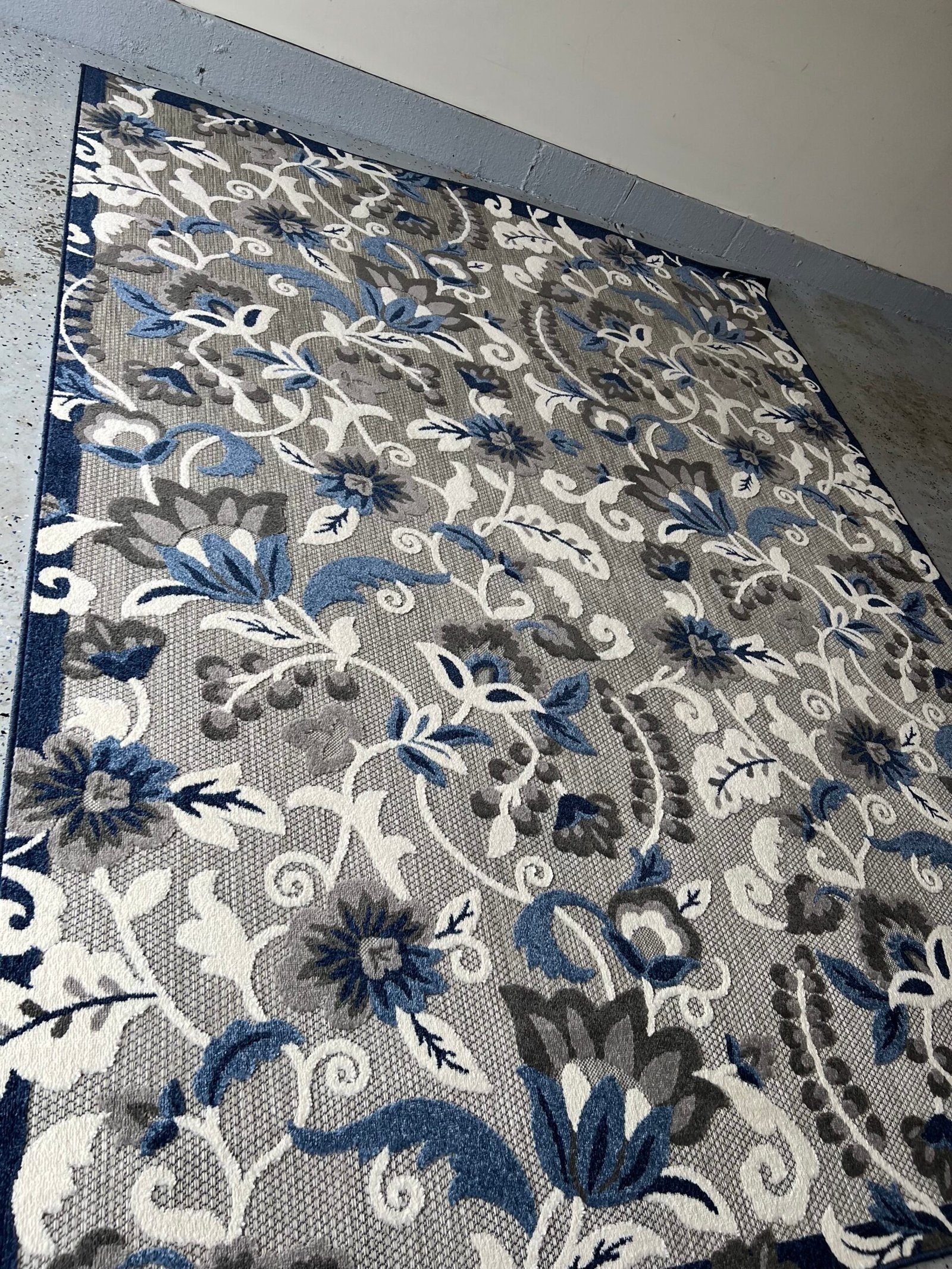
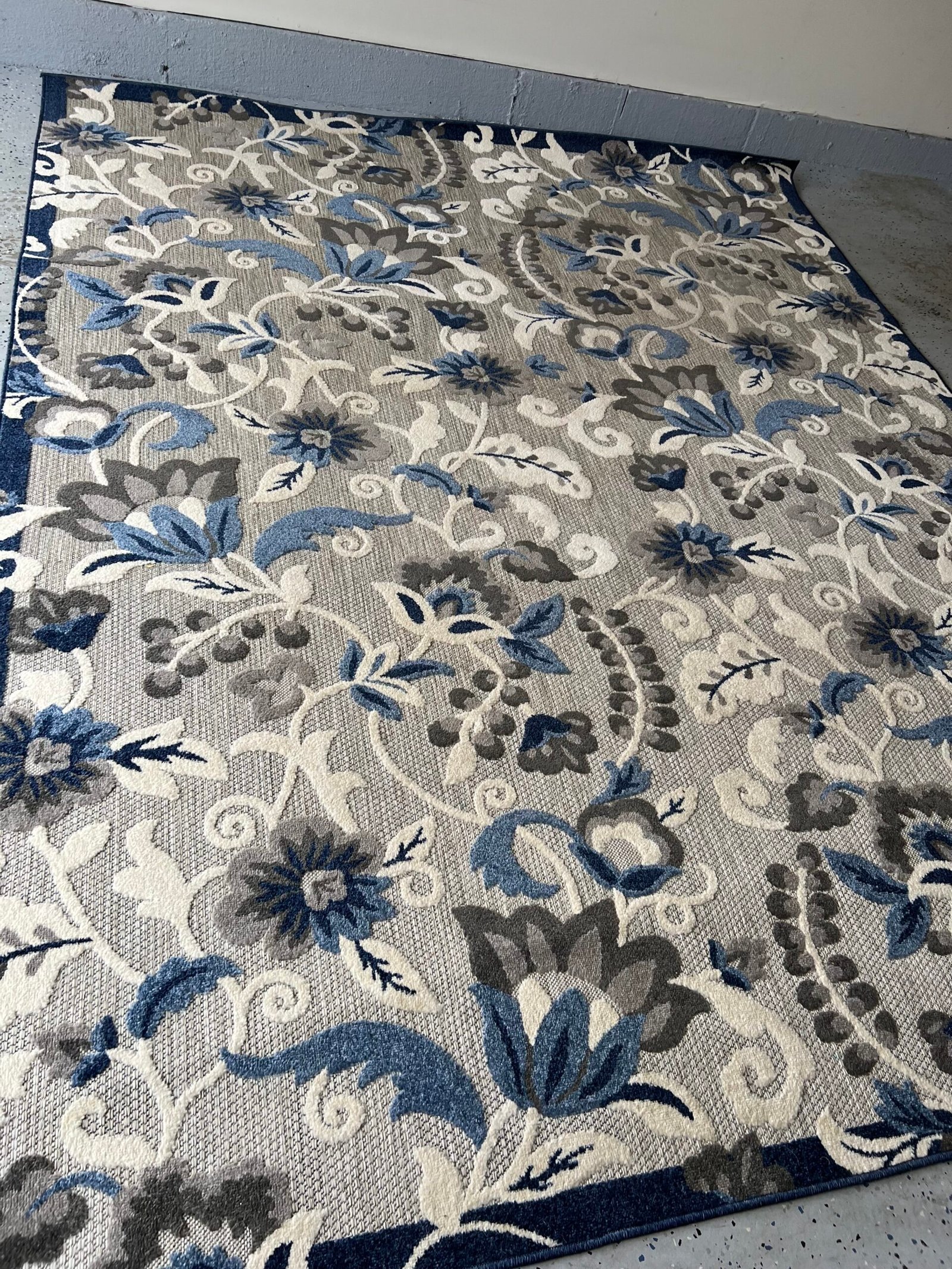
Drag the handle. The left half is where we came in.
Questions we get about this
Can you clean my curtains without taking them down?
Usually yes. Unlined panels, sheers, and most roman shade faces clean well on the rod with a dry solvent or low moisture tool, and they are dry to the touch in 2 to 4 hours. Heavy lined drapery, panels with a hard soil line at the hem, and anything neglected for five years or more get better results flat in the shop, where we can work both faces and press them properly.
Will my lined drapery shrink?
Not with the method we use on it. Lined and interlined panels are two or three fabrics with different shrink rates sewn together, so wetting them puckers the seams and shortens the hem permanently. We clean that construction with dry solvent only, which carries no water. If someone offers to wet wash or machine wash your lined drapery, ask what happens if it comes up short.
How long are my panels gone if you take them off site?
Five to seven business days from pickup to rehang, including cleaning, pressing, and hardware work. If you have a date you are working toward, tell us and we will schedule backward from it. We can also stage the job by room so you are never left with every window bare at once, which matters most on street facing rooms and ground floor bedrooms.
My drapery is old and the front edge feels thin. Is that a problem?
It can be. The leading edge and the bottom hem take the most sunlight, and ultraviolet exposure breaks down silk, rayon, and cotton from the outside in. We test by pinching the fabric and applying light pressure. If it splits or powders, we stop. Sun rotted panels can tear during vacuuming alone, so we will decline the job rather than damage something you cannot replace.
Do you clean sheers and valances too?
Yes. Sheers are usually polyester or a polyester blend and take a low moisture process well, though yellowing from age and sun is often permanent because the fiber itself has changed color. Valances, cornice covers, and swags are cleaned in place when they are lightweight and removed when they are lined or padded. We handle the hardware and rehang whatever we take down.
What do you do with the hooks and rings?
We count them, bag them by window, and label the bag. Pin hooks come out before cleaning because they rust and stain the header. Corroded drapery weights are removed and reported rather than pressed into the hem. Traverse carriers get inspected while the panels are off, which is often the only chance anyone gets to catch a broken one before it drops a panel.
How often should curtains be cleaned?
Every two to three years for most homes. Once a year if someone in the house has allergies or asthma, if you have pets, or if the panels hang in an open kitchen where cooking film builds on the fabric. Floor length panels near a return vent collect the most, and they show it along the top few inches and the bottom hem before anywhere else.
Can you clean roman shades and blackout lining?
Roman shade faces usually clean in place with a low moisture pass, though we check the cord routing and the dowel pockets first, since a soaked pocket dries slowly and can mark the face from behind. Blackout lining is a coated fabric, and the coating cracks or delaminates when it is wetted or pressed hot. Those panels get a dry process, and we press the face only.
The rest of what we do
- Carpet Cleaning Rooms, stairs, hallways and traffic lanes, cleaned with truck mounted extraction.
- Steam Cleaning and Hot Water Extraction The method itself: hot water at pressure, pulled back out with the soil.
- Rug Cleaning Wool, silk, oriental and antique rugs, washed by hand off site.
- Upholstery Cleaning Sofas, sectionals, chairs and headboards, cleaned to the fabric code.
- Pet Odor and Stain Removal Treated down at the pad and the subfloor, not sprayed on the surface.
Have a look at it in person
Walkthroughs are free and take about fifteen minutes. We agree the scope together and point out anything that will not come out before a hose comes off the truck. Over a decade in Northern Virginia and that has not changed.