
Carpet Steaming
Steam cleaning is really hot water extraction, and the results depend on settings most companies never publish. Here are ours, and here is why a rinsed carpet stays clean longer than a washed one.
What hot water extraction actually is
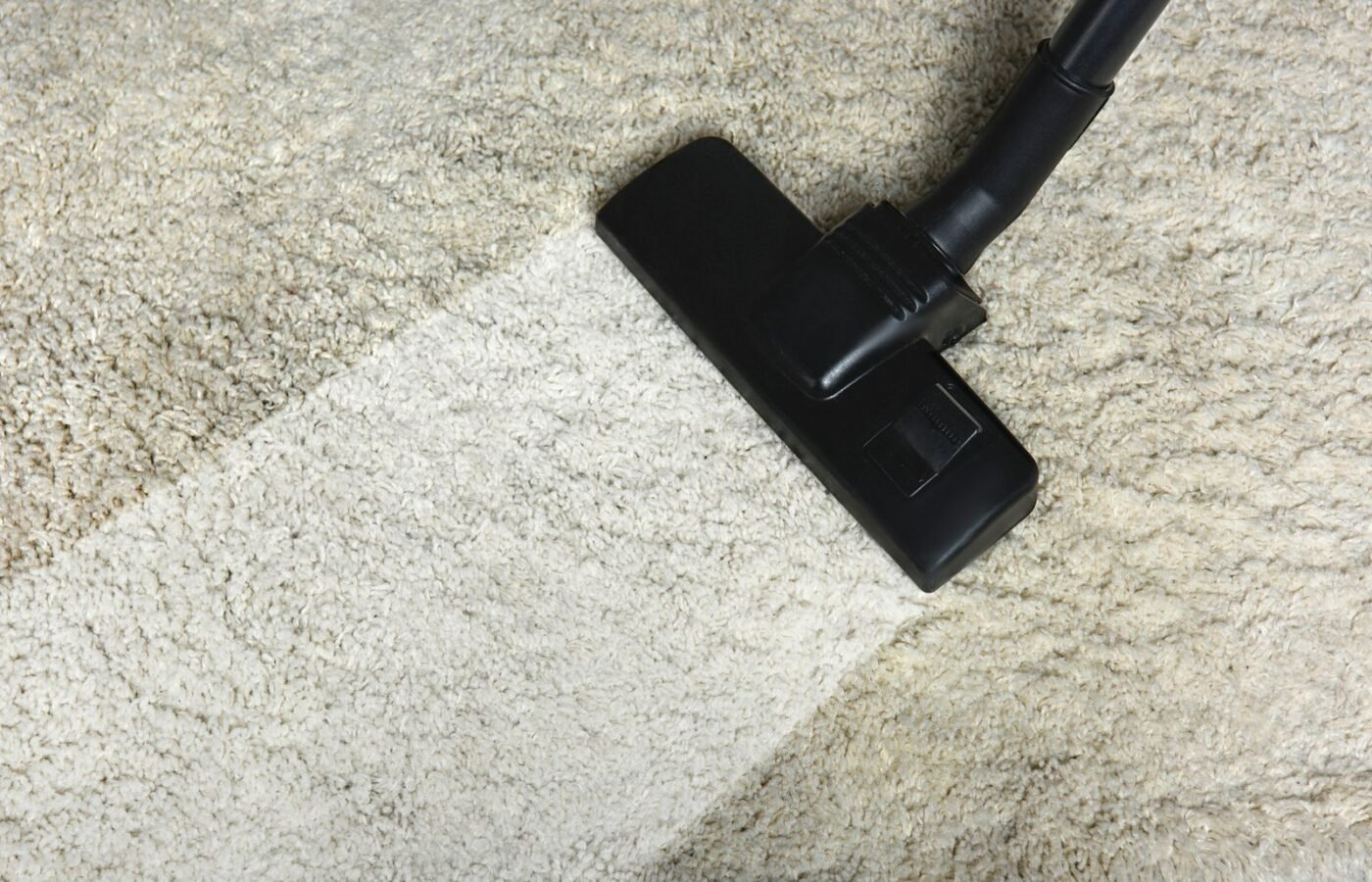
Steam cleaning is a loose name for hot water extraction. Nothing reaches your carpet as vapor. A truck mounted machine heats water, injects it through jets under pressure, and a vacuum slot a fraction of an inch behind those jets pulls the water back out with the soil it just suspended. Heat, chemistry, agitation, and time do the cleaning. The vacuum does the removal, and removal is the part most companies get wrong.
The numbers we run
- Temperature: about 230 F at the jet on synthetic carpet. Heat cuts oily soil that cold water smears.
- Pressure: 350 to 500 psi on cut pile. Higher on commercial glue down, lower on wool.
- Vacuum lift: roughly 14 inches of mercury at the wand on a standard hose run, which is what separates a truck mount from a portable.
- Dwell time: 10 to 15 minutes for pre spray. Chemistry needs time on the fiber. Spraying and extracting straight away wastes it.
- Final pH: 6 to 7 at the fiber after rinse.
Why rinse pH is the whole argument
Most pre sprays are alkaline, in the 9 to 11 range, because alkalinity breaks down body oil and food soil. Residue left in the carpet is sticky, it attracts dry soil, and it leaves the pile looking flat and dull.
That is why some carpets look good for two weeks, then look worse than before they were cleaned. It is not the dirt returning. It is detergent that was never rinsed out, gathering new dirt. We rinse with a mild acid so the carpet finishes neutral to slightly acidic, which is also where wool wants to live. No optical brighteners, and no perfume to cover a smell we did not remove.
Steam against bonnet and dry compound
Bonnet cleaning
A rotary machine with an absorbent pad cleans the top third of the pile and leaves the rest. On residential cut pile it packs soil and detergent toward the base while fuzzing the yarn tips.
Dry compound
Moist absorbent granules brushed in and vacuumed out. Low moisture, near instant use of the room, and no real extraction below the surface. Fine as interim maintenance.
When low moisture is genuinely right
An office that must open at 7 a.m. Glue down commercial carpet on a monthly cycle. A basement with standing humidity and no ventilation. Sisal, jute, and other cellulosic fibers that brown or shrink when wet.
Truck mount against portable
A truck mount makes heat from the engine and pulls vacuum through a large blower, so heat and lift stay constant through a 150 foot hose run. A portable is limited by a wall outlet, and its heat and lift fall off under sustained use. Portables have a place, mostly high rise units above hose reach in Tysons.
The same machine and the same pH logic drive our wall to wall carpet cleaning, our rug washing, and curtain cleaning work.
Water, power, and access
We carry our own water and power. You need parking within hose reach and a door or window we can run a line through, which matters in townhouses in Sterling and older houses in Purcellville. Waste water goes back to the truck, never into a yard. We run this setup daily in Herndon and on carpet cleaning in Gainesville. Call us at (540) 628-5274.
Recent steam cleaning and hot water extraction work
Real jobs in Northern Virginia homes, photographed on the day.
What this looks like
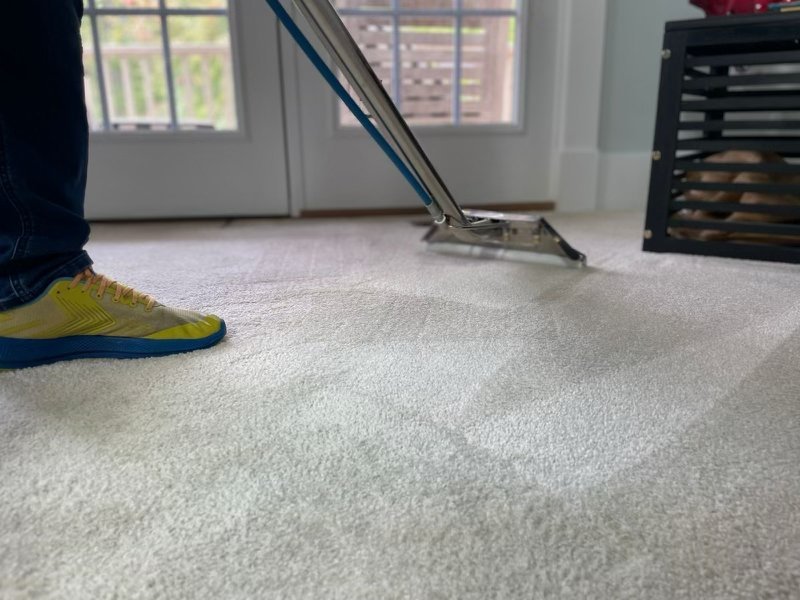
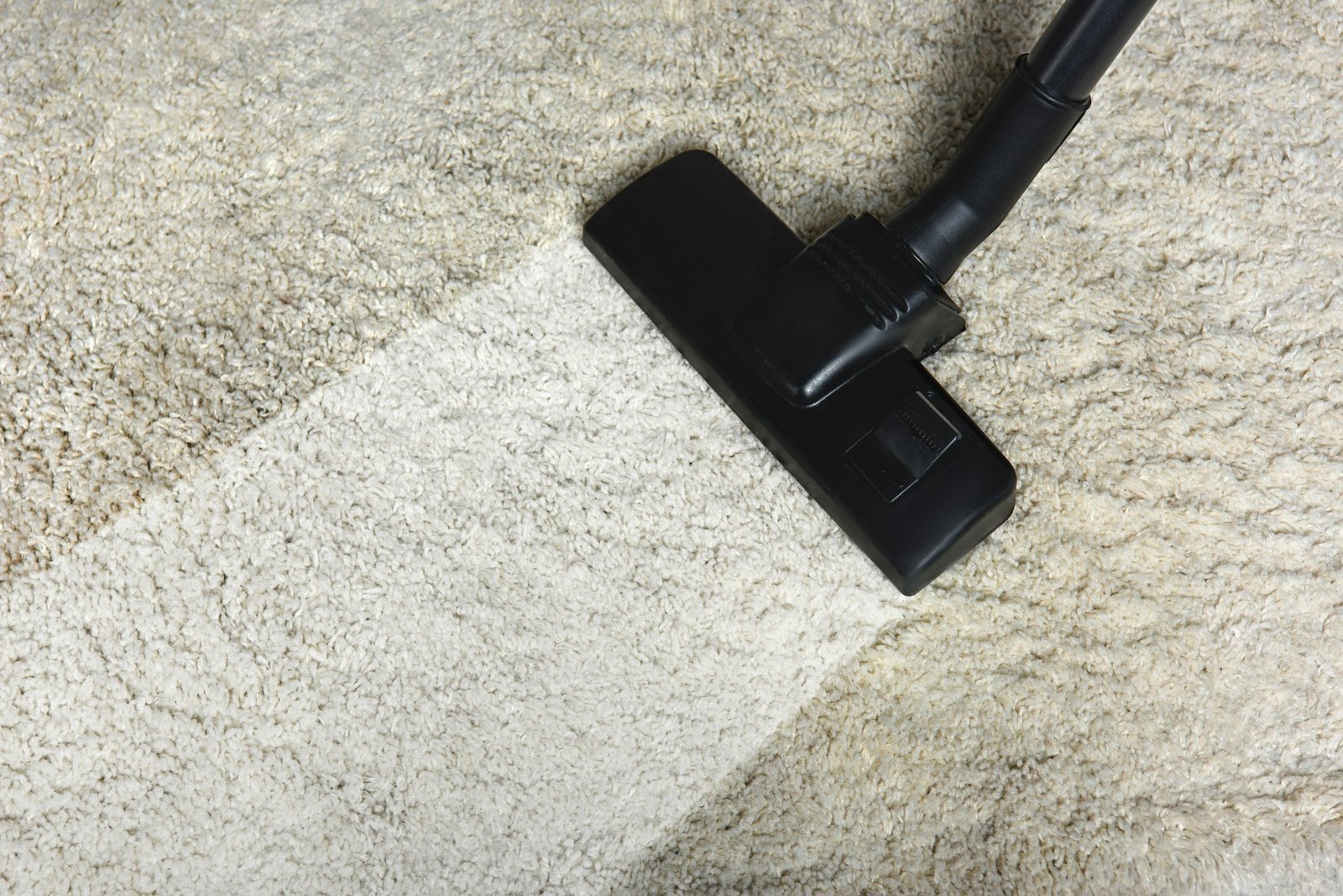
A real job, before and after. Drag the handle.
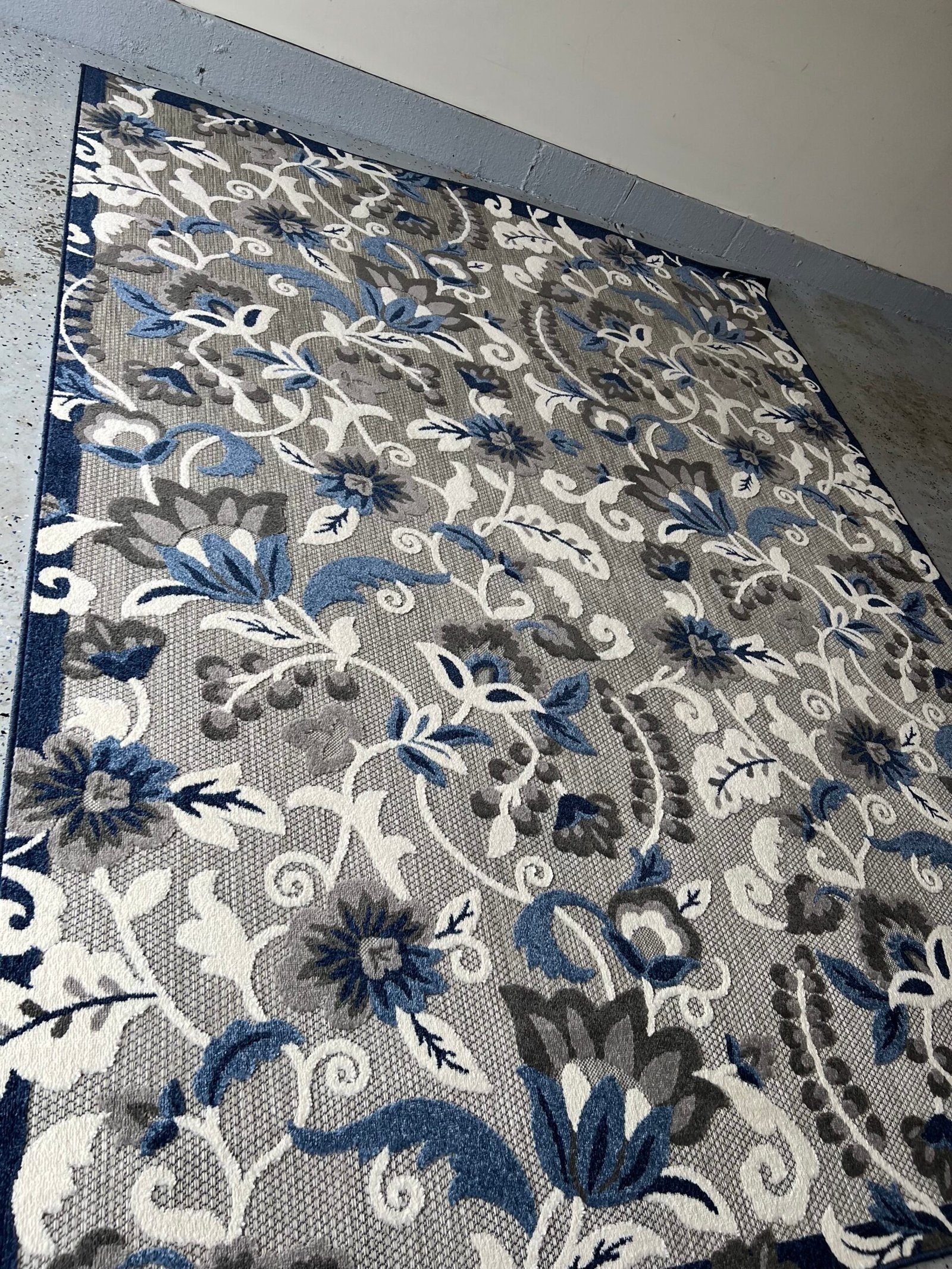
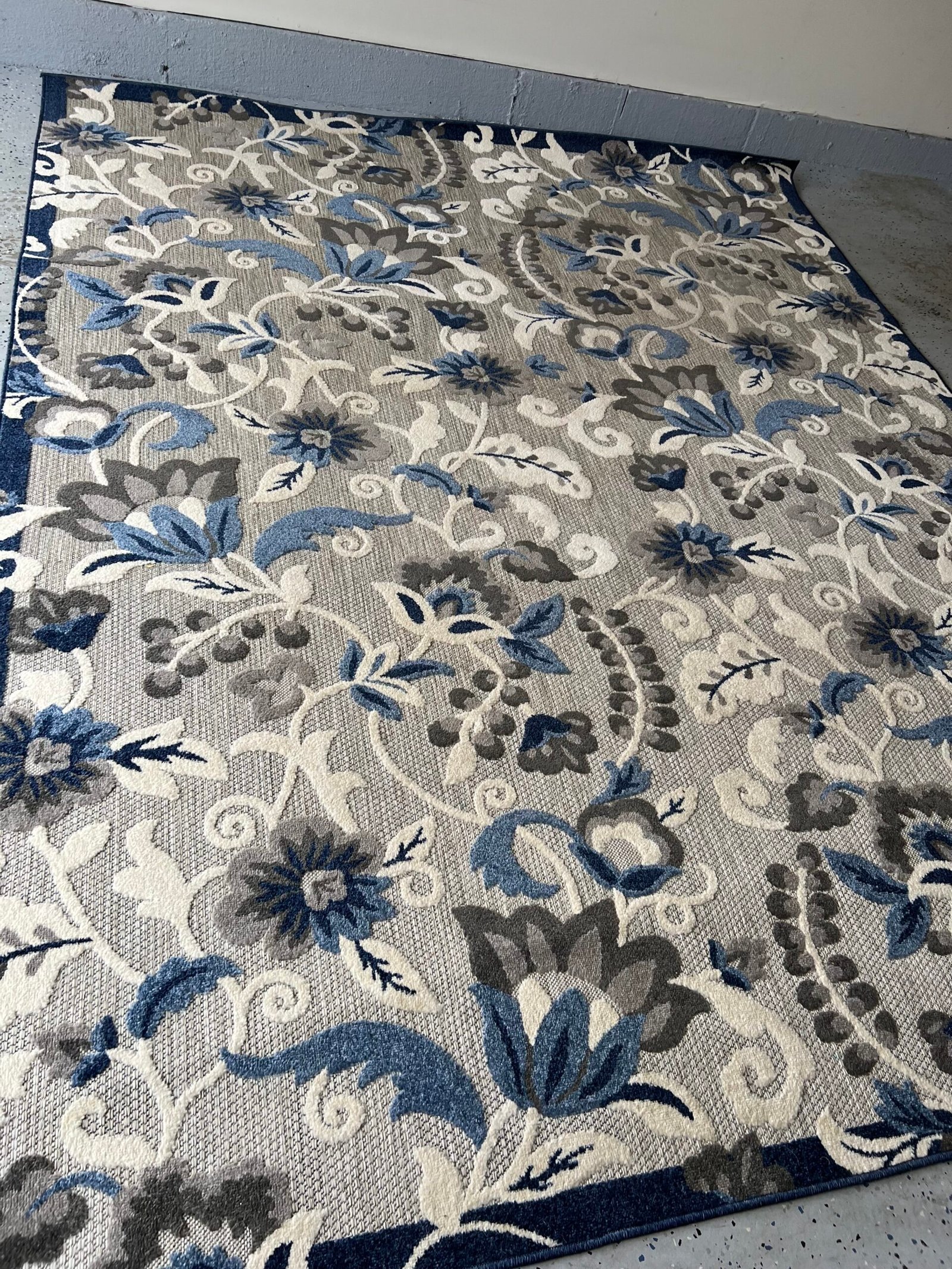
Drag the handle. The left half is where we came in.
Questions we get about this
Is there actual steam involved?
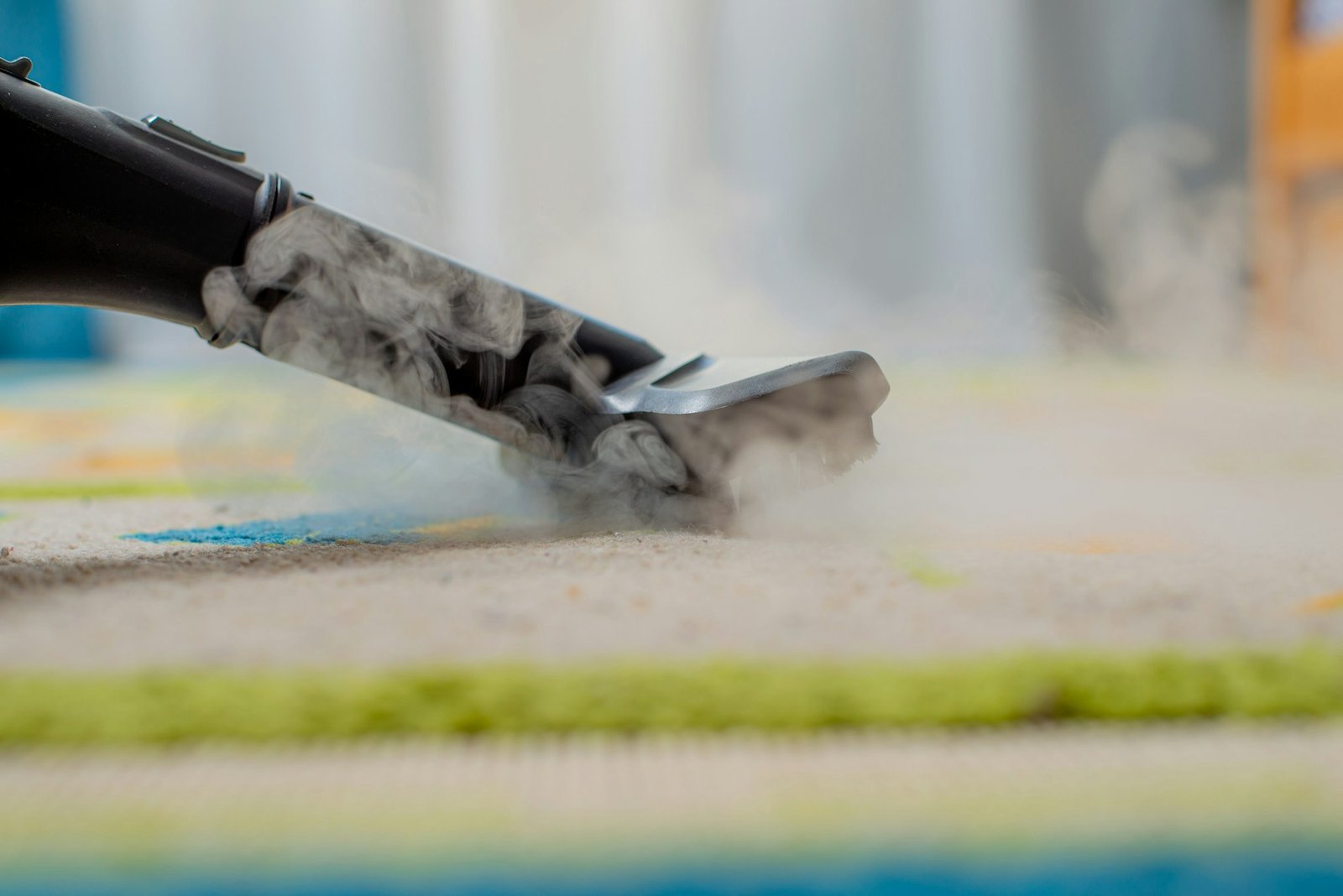
No. The water leaves the jet as hot liquid at roughly 230 F, and any visible vapor is flash off at the surface. True steam would not carry the volume needed to flush soil out of the pile. The name stuck decades ago and customers still search for it, so we use it, but the process is hot water extraction: inject, agitate, and vacuum straight back out.
Does all that water soak the pad?
Not when the vacuum side is doing its job. The slot on the wand sits a fraction of an inch behind the jets, so most of the water is recovered within a second of being applied. We finish with dry passes, no trigger, to pull the remaining moisture. Carpet should be damp to the hand and never squelch underfoot. If a carpet stays wet, the machine or the technician is at fault.
Truck mounted or a portable machine?
Truck mounted, except where a portable is the only option. A truck mount makes heat from the engine and pulls vacuum through a large blower, so temperature and lift hold steady through a long hose run. A portable is capped by a household outlet, and both its heat and its lift fade under sustained use. That difference shows up as longer drying and more soil left in the pile.
Why did my carpet get dirty faster after the last cleaning?
Almost always detergent residue. Pre sprays are alkaline, in the 9 to 11 range, because alkalinity breaks down body oil. If that residue is not rinsed out it stays sticky and grabs every bit of dry soil that lands on it. Two weeks later the carpet looks worse than before. Rinsing to a pH of 6 to 7 is the fix, and it is not an upsell, it is part of the process.
What is wrong with bonnet cleaning?
Nothing, in the right setting. A rotary machine with an absorbent pad works the top third of the pile, which suits commercial glue down carpet on a frequent maintenance cycle. On residential cut pile it fuzzes the yarn tips, pushes soil toward the base, and leaves detergent behind. We do not bonnet clean carpet in houses. It looks good the same day and the soil it packed down is still sitting there at the next cleaning.
When is low moisture cleaning the better choice?
When drying is the binding constraint or when water is a risk to the fiber. Offices that reopen early, glue down commercial carpet on a monthly cycle, basements with standing humidity and no ventilation, and cellulosic fibers such as sisal and jute that brown or shrink when wet. In those cases we recommend a low moisture method and say so plainly rather than sell extraction that will not dry.
Will hot water damage wool or shrink it?
Not with the settings adjusted. Wool gets lower heat, lower pressure, and a rinse on the acid side, near a pH of 5 to 6, which is where the fiber is stable and the dyes are safest. The risks with wool are alkalinity, over wetting, and aggressive agitation, not heat by itself. We identify the fiber before we start, and wool area rugs are usually better washed off the floor.
Do you need my water and electricity?
No. The truck carries its own water supply and generates its own heat and power, so nothing runs off your utilities. What we need is a parking spot within hose reach and a door or window we can run the hose line through. Waste water returns to the truck for proper disposal and never goes into a yard or a storm drain. In high rise buildings we confirm elevator and freight access first.
The rest of what we do
- Carpet Cleaning Rooms, stairs, hallways and traffic lanes, cleaned with truck mounted extraction.
- Rug Cleaning Wool, silk, oriental and antique rugs, washed by hand off site.
- Upholstery Cleaning Sofas, sectionals, chairs and headboards, cleaned to the fabric code.
- Curtain and Drapery Cleaning Panels, sheers and lined drapery, cleaned in place or taken down.
- Pet Odor and Stain Removal Treated down at the pad and the subfloor, not sprayed on the surface.
Have a look at it in person
Walkthroughs are free and take about fifteen minutes. We agree the scope together and point out anything that will not come out before a hose comes off the truck. Over a decade in Northern Virginia and that has not changed.