
Carpet Steam Cleaning in Ashburn, VA
A great many houses here have carpet that is several years old and has never been extracted, and the fiber gives away almost nothing until it is measured. Three readings taken in the first ten minutes decide every setting on the truck.
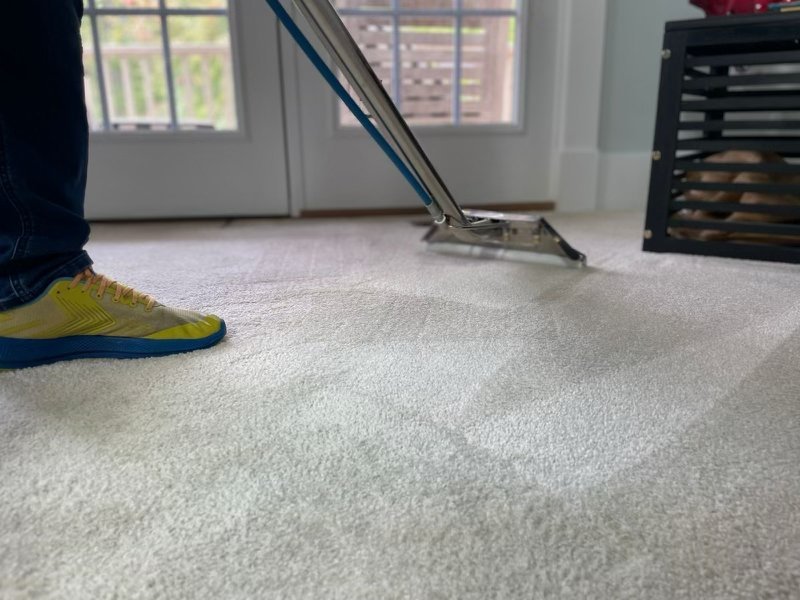
Three readings I take before the wand touches anything
Hot water extraction in Ashburn usually begins with instruments rather than hoses, because a floor that has never been professionally cleaned gives up very little information from standing height. I take three readings in the first ten minutes and they shape everything after.
- Fiber identification. A few tufts from a closet, burned. Nearly every house here comes back as nylon, but assuming is how a technician ruins the one wool bedroom in the building.
- A pH reading on the fiber itself. A damp strip pressed into the pile tells me what has already been put down. Carpet that has been treated with grocery store products often reads distinctly alkaline, which means residue is already there and the rinse has to work harder.
- Pile depth and density by hand. Parting the yarn shows how far the soil has traveled toward the backing, and that number decides how many passes the busy areas will need.
None of this is ceremony. Every setting on the truck, temperature, pre spray strength, dwell, pass count, follows from those three readings, and a walkthrough that produces them is free and comes with no obligation.
Builder grade nylon holds more than people expect
The carpet that comes with a newer house in 20147 and 20148 is generally a mid weight continuous filament nylon. It is a good fiber, resilient and forgiving, and its density is exactly what makes it a reservoir. Loose material works down between the tufts, past where any household vacuum can reach, and settles on the backing. Nothing about the surface tells you it is there. The carpet simply looks a shade duller each year, which reads as fading rather than accumulation.
A first extraction is where that becomes obvious, and it is why steam cleaning in Ashburn produces such a visible change. Alkaline pre spray, 9.5 to 10.5 on the pH scale, goes down and is agitated into the base of the pile, dwells 10 to 20 minutes, and then water heated to about 230 degrees Fahrenheit and delivered between 400 and 500 psi flushes the loosened soil while roughly 15 inches of mercury pulls it back up the recovery line. The busiest lanes commonly take two or three passes before the water coming back stops running dark. The color underneath is not a new color, it is the one the carpet was sold as.
Basements and bonus rooms are their own climate
Almost every house here has a finished lower level and a room over the garage, and both dry more slowly than anything on the main floor. A basement sits below grade with limited air exchange. A bonus room over an unconditioned garage runs cool from beneath. Neither is a reason to skip extraction, but both are a reason to plan the drying rather than hope for it.
Drying a floor that sits below grade
In practice that means more dry strokes than wet ones on the final pass, air movers placed to push air across the floor instead of at a wall, and the house air handling set to circulate rather than left idle. Deep carpet cleaning in Ashburn done properly on a lower level should be dry to the touch in roughly six to ten hours, and if I cannot see a path to that I will say so and adjust the plan.
One habit worth adopting in these houses: do not put the furniture back or lay a rug down over a lower level floor that still feels cool and slightly damp. Air trapped under a rug pad on carpet that has not finished drying is how a lower level develops a musty smell that has nothing to do with the cleaning and everything to do with what was placed on top of it too early.
The rinse is what decides how long the result lasts
People judge hot water extraction in Ashburn by the day it happened. I judge it by month three. The variable is residue: any alkaline pre spray left in the fiber stays faintly sticky, picks up soil from the air and from every shoe, then dulls a floor far sooner than it should. The final step of carpet steam cleaning is therefore a rinse that brings the fiber back to pH 5.0 to 6.0, mildly acidic, chemically neutral in the sense that matters.
This is also the honest limit of the low moisture methods. Encapsulation seals soil in a polymer for later vacuuming and bonnet work lifts what sits near the tips. Both are legitimate for appearance maintenance and I use them where they fit, on a glued down commercial carpet or between full cleans. On a floor holding years of accumulation, neither one removes what is at the base of the pile, and pretending otherwise wastes your time.
Booking in Loudoun County
Ashburn, VA sits at the center of my Loudoun work, so a same week appointment is usually available and often a next day one for a vacant house. Because a first extraction runs longer than a maintenance visit, tell me when booking how many years it has been, since that changes the hours I set aside more than the square footage does. If there is a dog in the house, read pet odor removal in Ashburn before deciding, since a wand pass does not reach the pad. Sofas and sectionals fall under upholstery cleaning, anything loose and woven under rug washing, and drapery under curtain cleaning. Once a floor has had its first proper extraction, everything afterward is maintenance, described at carpet cleaning in Ashburn. The same truck runs down to Sterling and up to Leesburg on most weeks.
Recent steam cleaning and hot water extraction work
Real jobs in Northern Virginia homes, photographed on the day.
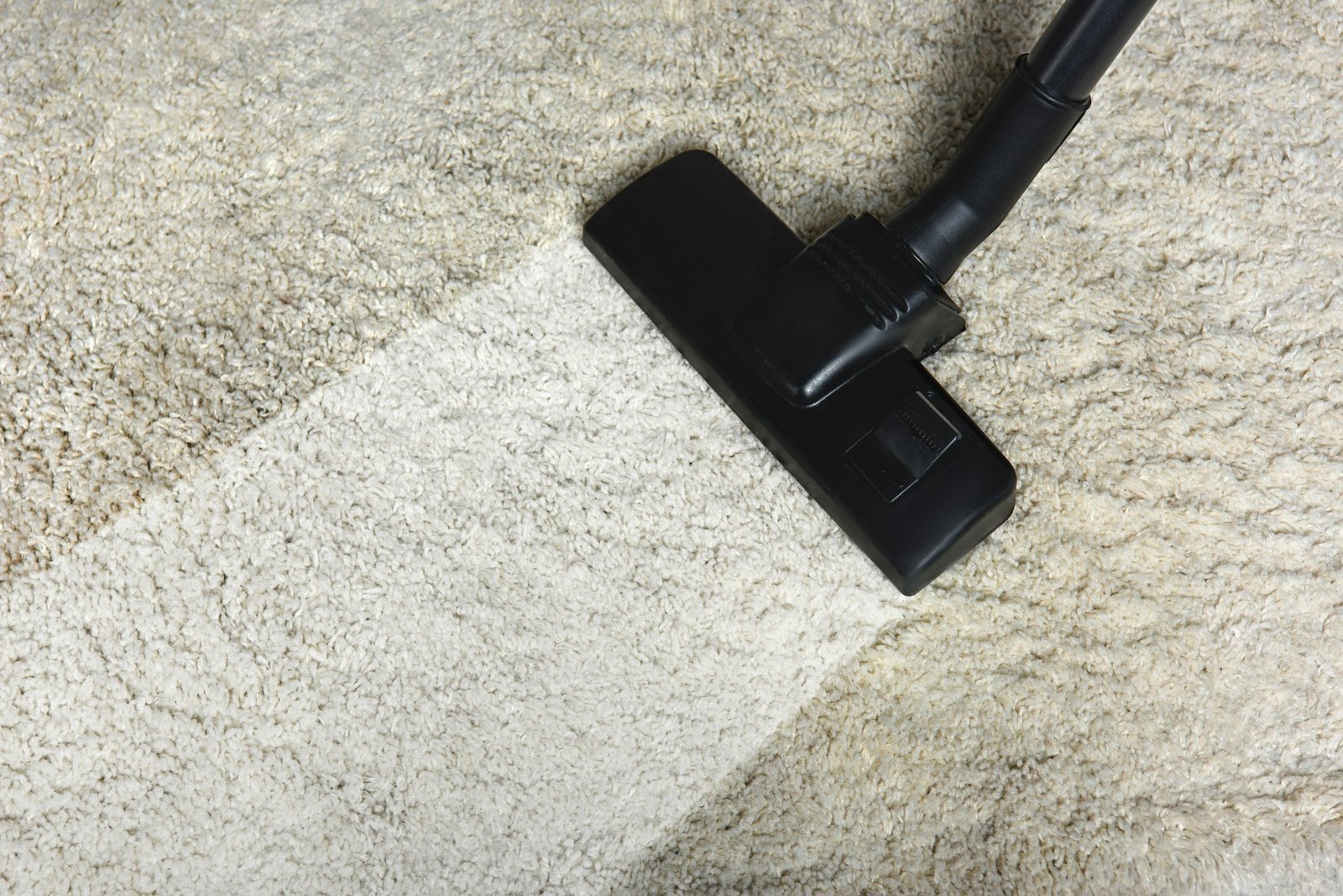
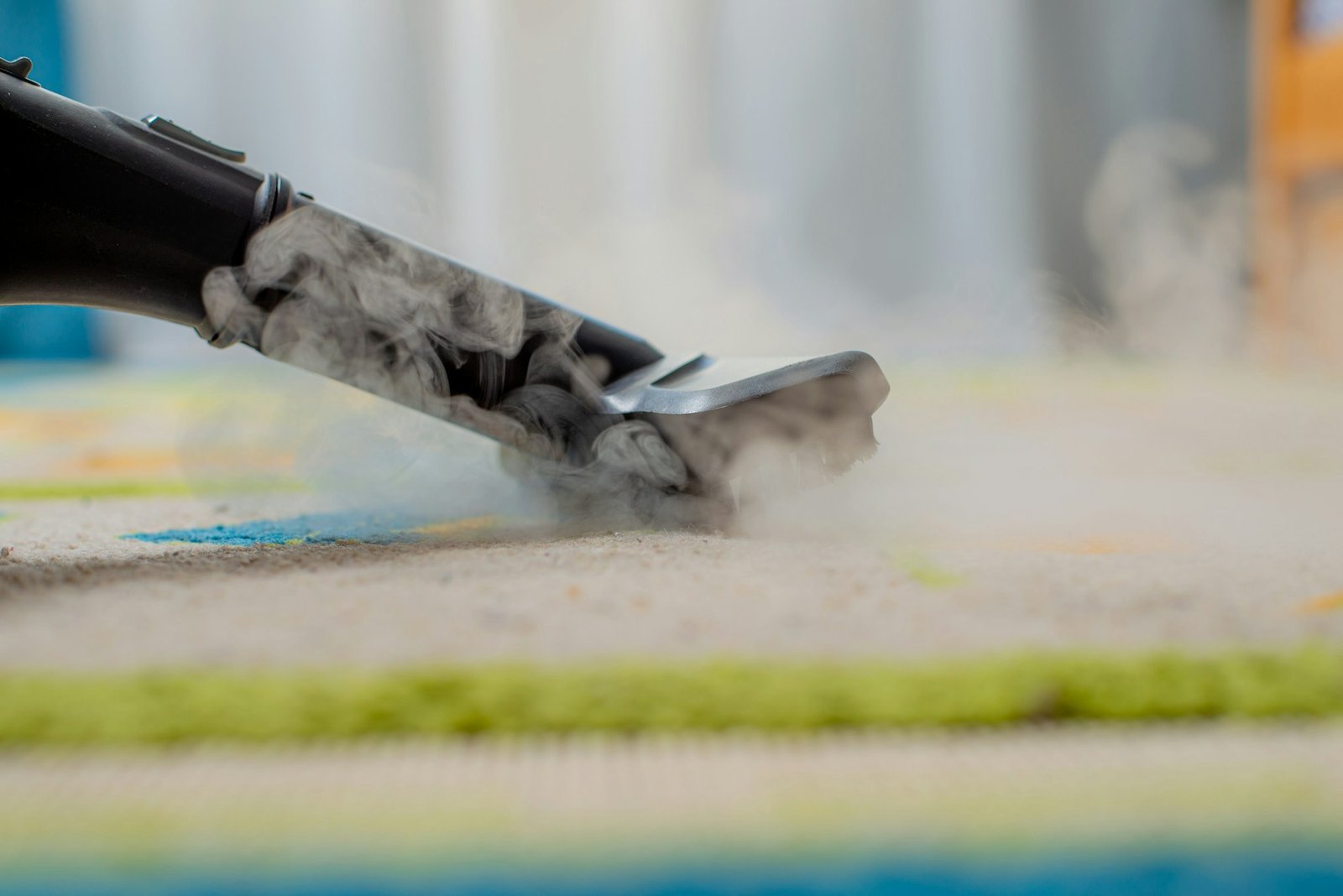
What this looks like
A real job, before and after. Drag the handle.
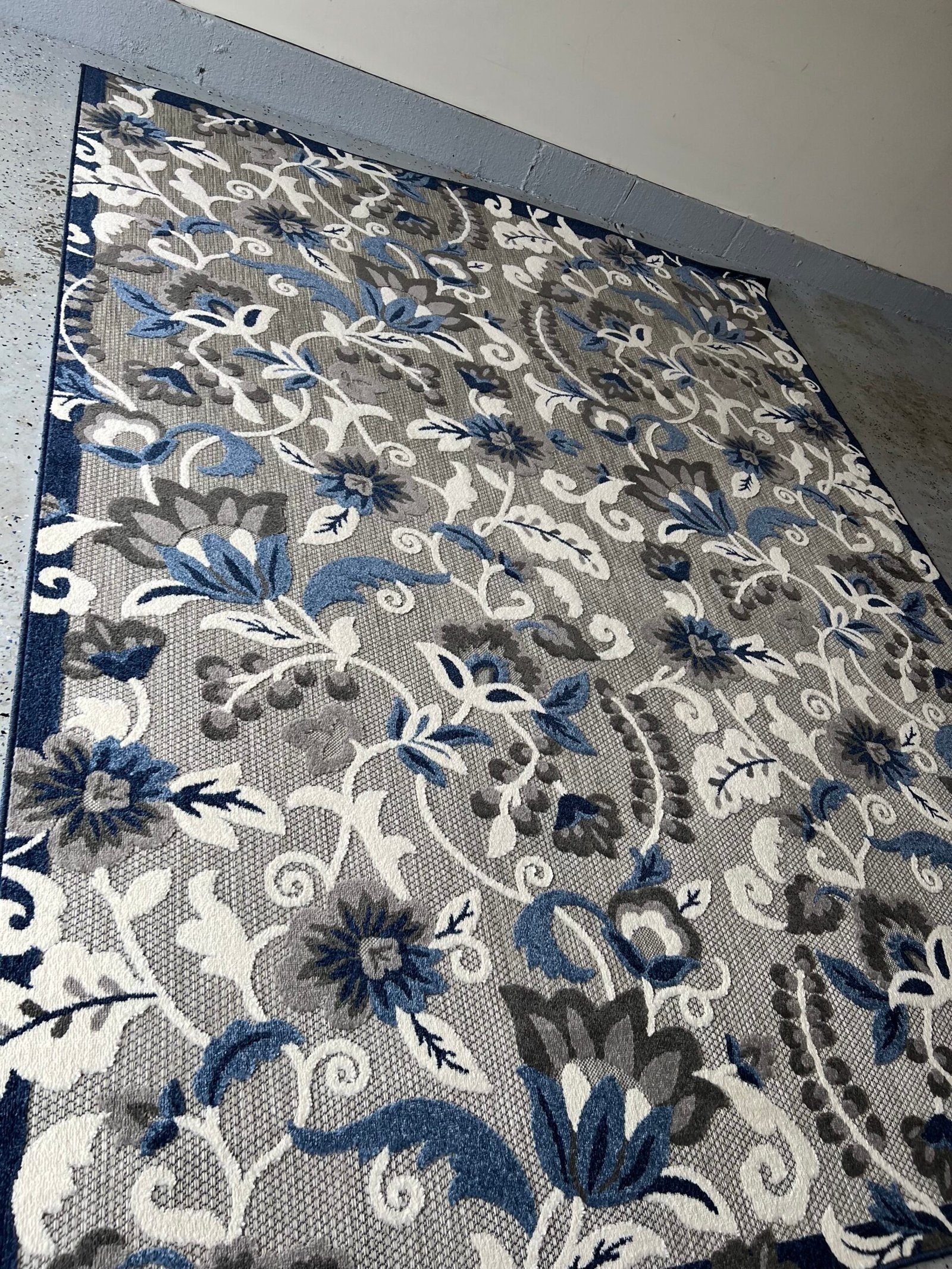
Drag the handle. The left half is where we came in.
Questions we get about this
Why do you test the carpet with a pH strip before cleaning it?
Because it tells me what is already in the fiber. Carpet treated with retail spot products often reads alkaline, meaning residue is present before I start and the rinse has to work harder to bring it back down. Knowing that in advance changes how I mix the pre spray and how much rinsing the floor gets on the way out.
Our carpet is six years old and looks faded. Is it actually faded?
Usually not. Fading needs sunlight, and it shows up near windows rather than evenly across a room. What most people read as fading is soil that has migrated down between the tufts, dulling the color from below. A first extraction commonly brings back a shade nobody expected, because the original color was never lost.
How many passes will the busiest areas need?
I keep going until the recovery water stops running dark, which on a floor being cleaned for the first time is typically two or three passes over the main lanes. Bedrooms and rooms with light use usually release everything on the first pass. It is decided by what I can see coming back, not by a fixed number.
Will the basement carpet take longer to dry than the rest of the house?
Yes, and it needs help. A finished lower level sits below grade with limited air exchange, so I use more dry strokes on the final pass and place air movers to push air across the floor rather than into a wall. With the house air handling circulating, expect roughly six to ten hours to dry to the touch.
Is the bonus room over the garage a problem?
It is a slower drying room because the floor is cool from below, especially in winter when the garage beneath is unconditioned. I treat it the same way I treat a basement: fewer wet passes, extra dry strokes, and an air mover left running. It is a scheduling consideration, not a reason to leave it uncleaned.
Would encapsulation be a better choice for a house like ours?
Not for a first clean. Encapsulation traps soil in a polymer that is vacuumed away later, which works well as maintenance between deep cleans or on glued down commercial carpet. On carpet holding several years of accumulation at the backing it improves appearance without removing the material, so you would be trading carpet life for a faster afternoon.
Does a first cleaning take longer than a regular one?
Meaningfully longer, and it is worth planning for. Extra passes, longer dwell in the heavy areas and more attention to the rinse all add time. When booking, tell me how many years it has been rather than only the square footage, because that number affects the hours I set aside more than room count does.
How often should we do this once the first clean is done?
For most households here, every twelve to eighteen months, sooner with pets or with people coming in from a yard under construction. The interval matters because grit is abrasive and every month it stays in the pile it is being ground against the yarn. Removing it on a regular schedule is what preserves carpet life more than any other habit.
Have a look at it in person
Walkthroughs are free and take about fifteen minutes. We agree the scope together and point out anything that will not come out before a hose comes off the truck. Over a decade in Northern Virginia and that has not changed.