
Pet Odor and Stain Removal in Ashburn, VA
Housebreaking runs four to eight months and accidents come with it, so pet odor removal in Ashburn is mostly early work in family rooms and finished basements nobody visits midweek. The pad under newer carpet here behaves like a sponge, so the deposit below is always wider than the mark above.
A twelve week old puppy and a house that is five years old
Housebreaking takes somewhere between four and eight months to be reliable, and during that window a puppy will have accidents indoors no matter how attentive the household is. A young dog has very little bladder capacity and almost no warning, so the accident happens where the dog is standing rather than anywhere convenient. In a newer Loudoun County house that usually means the family room, the hallway outside the kitchen, or the basement.
None of that is a failure of training. It is worth saying because families call us apologetic, as though the carpet were evidence of something. It is not. What matters is dealing with each deposit before it dries and cycles, because a puppy accident treated in the first day comes out completely, and the same accident found in July after happening in February may not. Pet odor removal in Ashburn is far easier when it is early work rather than archaeology.
Basements are where a deposit sits longest before anyone notices
The finished lower level is the room a family uses on weekends and ignores on weekdays. It is also cooler and generally more humid than the rest of the house, and a puppy left down there while everyone is upstairs has time and privacy. We regularly find deposits in a basement that are months old, discovered only when the dehumidifier stops running for a week or the weather turns.
Below grade construction adds a wrinkle. Carpet in these basements sits on pad over a concrete slab, and concrete does not absorb the way wood does, but it is not sealed either. Liquid that passes through the pad spreads across the slab surface and wicks into the top few millimeters. Concrete also stays cool, which slows evaporation, so a deposit down there stays wet far longer than the same deposit on an upper floor.
Where we look first in a lower level
- Behind and under the sofa, particularly against the skirt where a young dog feels concealed
- The bottom two stairs, which take the overflow from anything that happened on the flight above
- Closet thresholds and the corner nearest the utility room door
- Along the perimeter where carpet meets the wall, since liquid runs there and stops at the tack strip
Builder grade pad holds more than people expect
The pad in most newer construction here is bonded urethane foam, the multicolored kind, typically half an inch thick at six or eight pound density. It is a perfectly reasonable product and it does its job, but it is open celled and it behaves like a sponge. A deposit that looks like a saucer on the surface will have spread through the pad to something closer to the size of a dinner plate, and the pad holds several times the liquid the carpet above it holds.
This is why surface cleaning does nothing for pet odor. A rented machine or a spot cleaner pulls from the face yarn, which is where perhaps a fifth of the problem lives. The rest is below, and reaching it takes sub surface extraction, where a sealed head lifts liquid up out of the pad and off the slab interface instead of gliding over it. On a bonded pad we usually need two or three extraction cycles at the same spot, with fresh rinse between them, before the recovery runs clear.
Treating a floor while the training is still underway
Waiting is the most common mistake we see in pet odor removal in Ashburn. People want to hold off until the dog is fully reliable before doing anything. We understand the logic and we think it is backwards. Every month a deposit stays in the pad, it goes further into the slab and it becomes a scent marker that tells the dog this is an approved location. Removing the odor properly removes the signal, and dogs return to spots they can still smell long after people cannot.
Practically, treat when you have two or three sites rather than waiting for a dozen. Enzymes need twenty to forty minutes of dwell, extraction follows, and air movers finish the drying, so a few spots is a short visit. Carpet in a basement takes six to ten hours to dry fully with movers running, longer without them, and running the dehumidifier through the following day helps more than anything else you can do.
Fitting the work around a household with small children
Most of the houses we treat in Ashburn, VA, across 20147 and 20148, have young kids as well as a young dog, which affects how a visit is arranged more than it affects the chemistry. Enzyme products are applied wet, dwell, and are extracted, and the floor is safe once dry. We work room by room so the family always has somewhere to be, and the equipment stays in one zone rather than spreading through the house.
Where the rest of the carpet has never been professionally cleaned, and in five year old houses it often has not, carpet cleaning in Ashburn on the same visit makes the treated areas blend instead of standing out. Sofas that the dog has claimed usually want upholstery cleaning in Ashburn too. For loose rugs, see rug cleaning, and for routine maintenance between accidents, carpet steaming on a yearly cycle is enough for most families. Fabric that has absorbed odor responds to the same approach, described under upholstery cleaning. We do this work through Sterling and Leesburg as well.
What this looks like
A real job, before and after. Drag the handle.
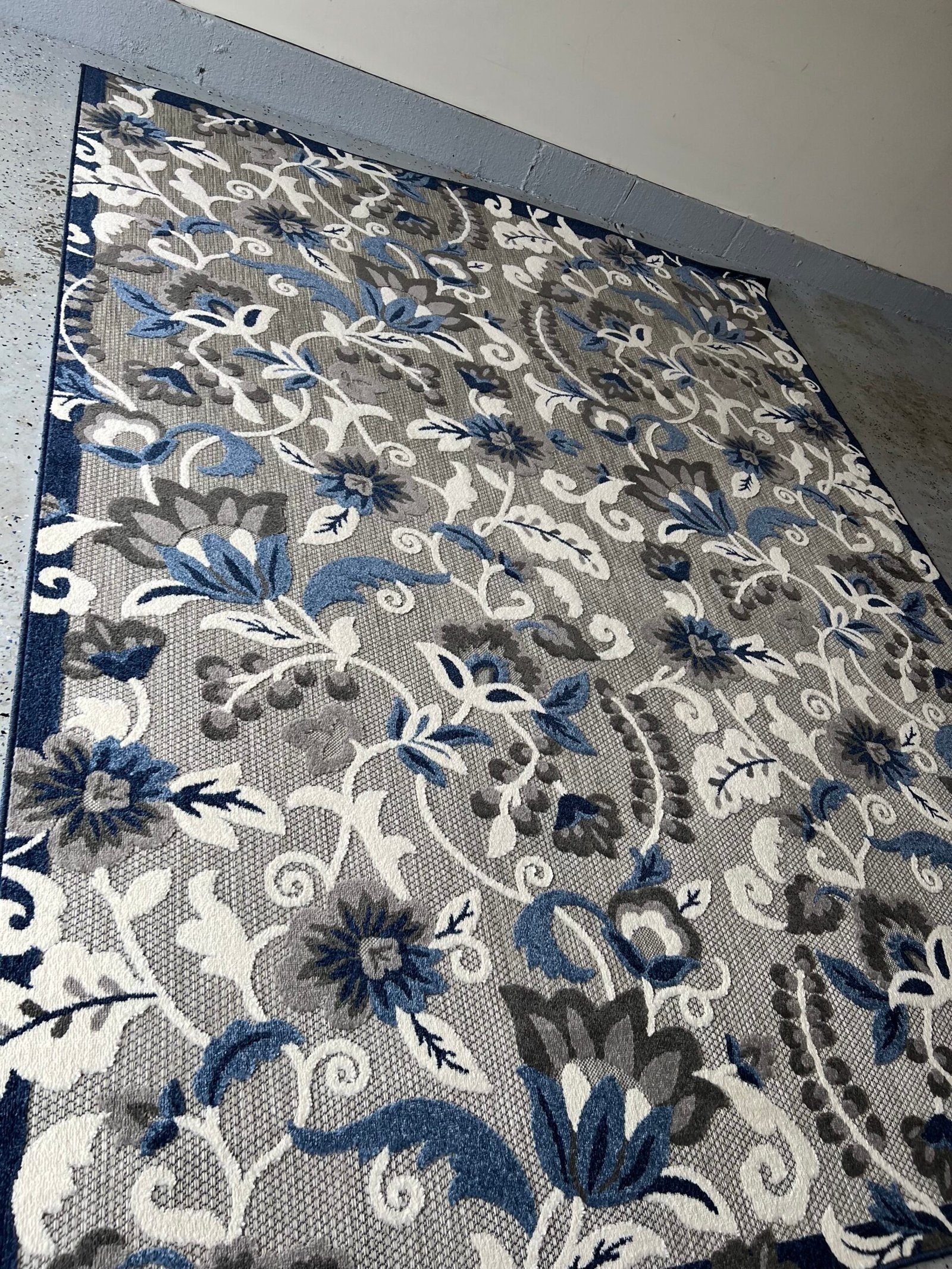
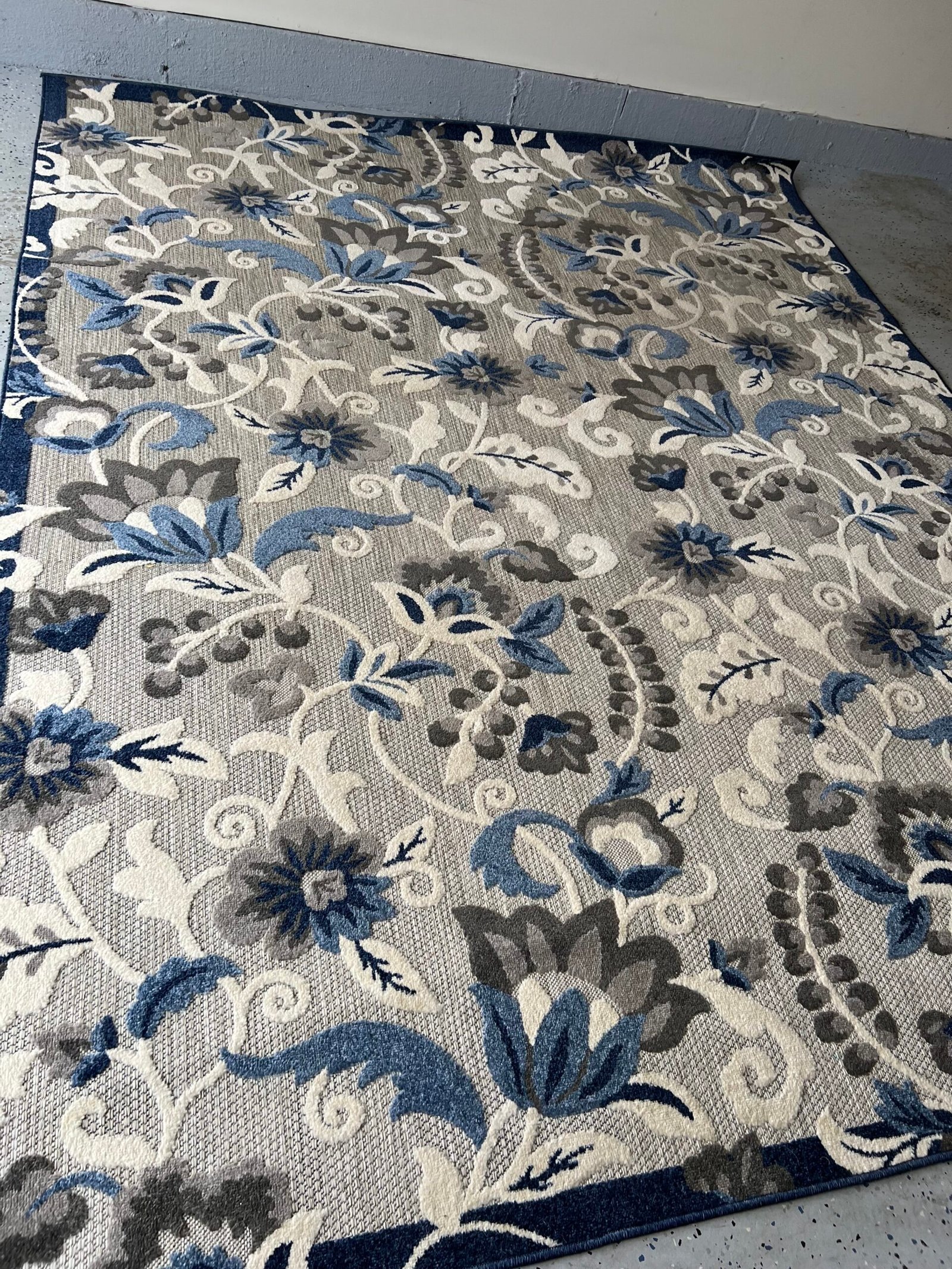
Drag the handle. The left half is where we came in.
Questions we get about this
Should we wait until the puppy is fully house trained before treating the carpet?
We advise against it. Every month a deposit stays in the pad it works deeper into the slab, and more importantly it remains a scent marker the dog can still detect long after people cannot. Dogs return to places that still smell like an approved spot. Removing the odor properly removes that signal, which usually makes the remaining training go faster rather than slower.
Why do basement accidents seem so much worse than upstairs ones?
Two reasons. A lower level is used less often, so a deposit can sit for weeks before anyone notices it. And it is cooler and more humid down there, which slows evaporation, so the deposit stays wet far longer than the same one on an upper floor. Cool damp conditions also favor the bacteria that produce the smell in the first place.
Does the concrete slab absorb urine the way a wood floor does?
Not the same way, but it is not inert either. Bare slab is porous, so liquid that passes through the pad spreads across the surface and wicks into the top few millimeters. It cannot drain anywhere, so it travels sideways instead and the affected area under the carpet ends up wider than what shows above. Sealing the slab is sometimes part of the fix.
Will a rental machine from the store handle a fresh puppy accident?
It will handle the part in the face yarn, which is a small share of what is there. The pad below holds several times more liquid than the carpet does, and a wand that skates over the surface cannot reach it. That is why a spot appears to be gone and then smells again a week later once the pad below has warmed and dried.
How long does the basement carpet stay wet after sub surface work?
Usually six to ten hours with air movers running, longer without them and longer again in humid weather. Below grade rooms dry slowly because the slab holds cool. Running your dehumidifier through the following day makes a real difference, more than heat does. Treated areas often take a few hours longer than surrounding carpet because more solution went into them.
Is the enzyme treatment safe around children and a young dog?
It is applied wet, left to dwell, then extracted, and the area is fine once dry. We work one zone at a time so the family always has somewhere else to be, and equipment stays in that zone rather than being spread through the house. Keeping the dog off the treated area until it is dry is mainly about not tracking damp carpet elsewhere.
Our house in 20148 is five years old. Is the carpet good quality enough to be worth treating?
Almost always. Builder specified carpet here is generally a mid weight nylon that responds well to cleaning, and the bonded pad under it is standard rather than poor. Neither is a reason to write a floor off after five years. What decides the outcome is how long a deposit has been sitting, not the grade of the carpet it landed on.
The dog keeps going back to exactly the same corner. Why?
Because it still smells like a toilet to the dog even when the room smells fine to you. A dog's detection threshold for the compounds in aged urine is far below ours, so a site that reads as clean to a family remains an obvious destination to the animal. Treating that corner properly, including the pad beneath it, usually breaks the pattern within a week or two.
Have a look at it in person
Walkthroughs are free and take about fifteen minutes. We agree the scope together and point out anything that will not come out before a hose comes off the truck. Over a decade in Northern Virginia and that has not changed.