
Pet Odor and Stain Removal in Haymarket, VA
Most pet odor removal in Haymarket deals with months of small overnight accidents in one place rather than a single event, which is a different chemical problem entirely. Bonus rooms over garages and the pocket behind a sectional are where we find them.

A twelve year old dog and a spot that will not stay gone
The call usually comes when a family realizes the problem is no longer occasional. A dog of eleven or twelve who has been faultless for a decade begins having accidents overnight, always in roughly the same place, and the household has been managing it with paper towels and a bottle from the grocery store for several months before anyone picks up the phone. By then the site is not one accident. It is fifty small ones stacked in the same square yard, and it behaves nothing like a single event. Pet odor removal in Haymarket is dominated by this pattern, because a great many houses here got their dogs at the same time the neighborhoods were built.
Nothing about it reflects badly on the animal or the owner. It is a medical change, it is common past ten years of age, and the carpet is a consequence rather than a failure.
Why stacked deposits behave differently
One accident puts a defined volume into the pad, which is treated and removed. Repeated small deposits do something else. Each one adds urea and salts, the site never fully dries between events, and pH climbs steadily into the alkaline range, which is where the compounds that smell worst are produced and where dye damage happens. The bottom of the pad accumulates a hard salt layer that ordinary rinsing does not dissolve. The base of the deposit is also where bacteria are most established, and that is the part a surface wand never touches.
Treating one of these is not a single pass. Enzyme goes in at real volume, enough to reach the full depth, and dwells for twenty to forty minutes. Sub surface extraction follows with two or three cycles and fresh rinse between them, and even then we plan on returning. A second visit two to three weeks later, after the site has dried fully and the odor has had time to report back, is normal for stacked contamination rather than a sign that something went wrong.
Bonus rooms over garages behave badly
Rooms built above a garage are the coldest floors in these houses in winter and the warmest in summer, because there is nothing but insulation between the room and outside air. That temperature swing works against you twice. A cold floor slows evaporation, so a deposit stays wet longer than it would elsewhere. Then summer heat drives the salts through their reactivation cycle harder than in any other room in the building. A bonus room that seemed fine through spring can be the worst smelling space in the house by the middle of July.
These rooms are also frequently where a dog is left when the family is out, which puts the two factors together. When we survey a house in Haymarket, VA, in 20169, the bonus room gets checked carefully, and it is where we most often recommend running a dehumidifier afterward.
Rooms we check even when nobody reports a problem there
- Bonus rooms and lofts over a garage, for the temperature reasons above
- Carpeted basement corners furthest from the stairs, where a dog has privacy
- The area around a crate or bed, including two feet past its footprint
- Beside and behind large sectionals in a family room, where nothing is visible from standing height
Working a family room that runs thirty feet
The open family rooms in these newer Prince William County houses create a practical problem: a deposit in the middle of a large open span has nothing to stop it spreading, so it is usually wider and shallower than the same volume in a small room. We section a room like that into working zones rather than trying to keep the whole floor consistent at once, and we treat outward from each site by at least six to eight inches past the fluorescing edge, because liquid in the pad always covers more ground than what shows.
Furniture matters here. A sectional against a wall creates the pocket where most of these deposits happen, and it needs moving rather than cleaning around. Carpet pet odor treatment done around the edges of an unmoved sofa is the single most common reason odor persists after somebody else has already treated a room.
Living with it well rather than pretending it is over
For a dog with declining continence, pet odor removal in Haymarket works better as maintenance than as a single rescue. A washable waterproof layer where the dog sleeps stops most of what would otherwise reach the pad. Blotting a fresh accident with pressure and cold water, never heat, keeps it in the carpet where it can still be extracted easily. Treating two or three times a year keeps the salt load from building to the point where the pad has to be replaced.
We will also tell you when a room has reached the end. When several stacked sites have soaked through into the deck, replacing the pad and sealing the subfloor is the better call, and the free inspection is where that gets decided. Regular carpet cleaning in Haymarket on the same visit keeps the treated areas from standing out, and dogs on sofas make upholstery cleaning in Haymarket worth doing at the same time. Between visits, carpet steaming deals with ordinary soil and upholstery cleaning with the furniture, while any area rug is better taken away for rug washing. The same schedule runs down in Gainesville and away north in Purcellville.
What this looks like
A real job, before and after. Drag the handle.
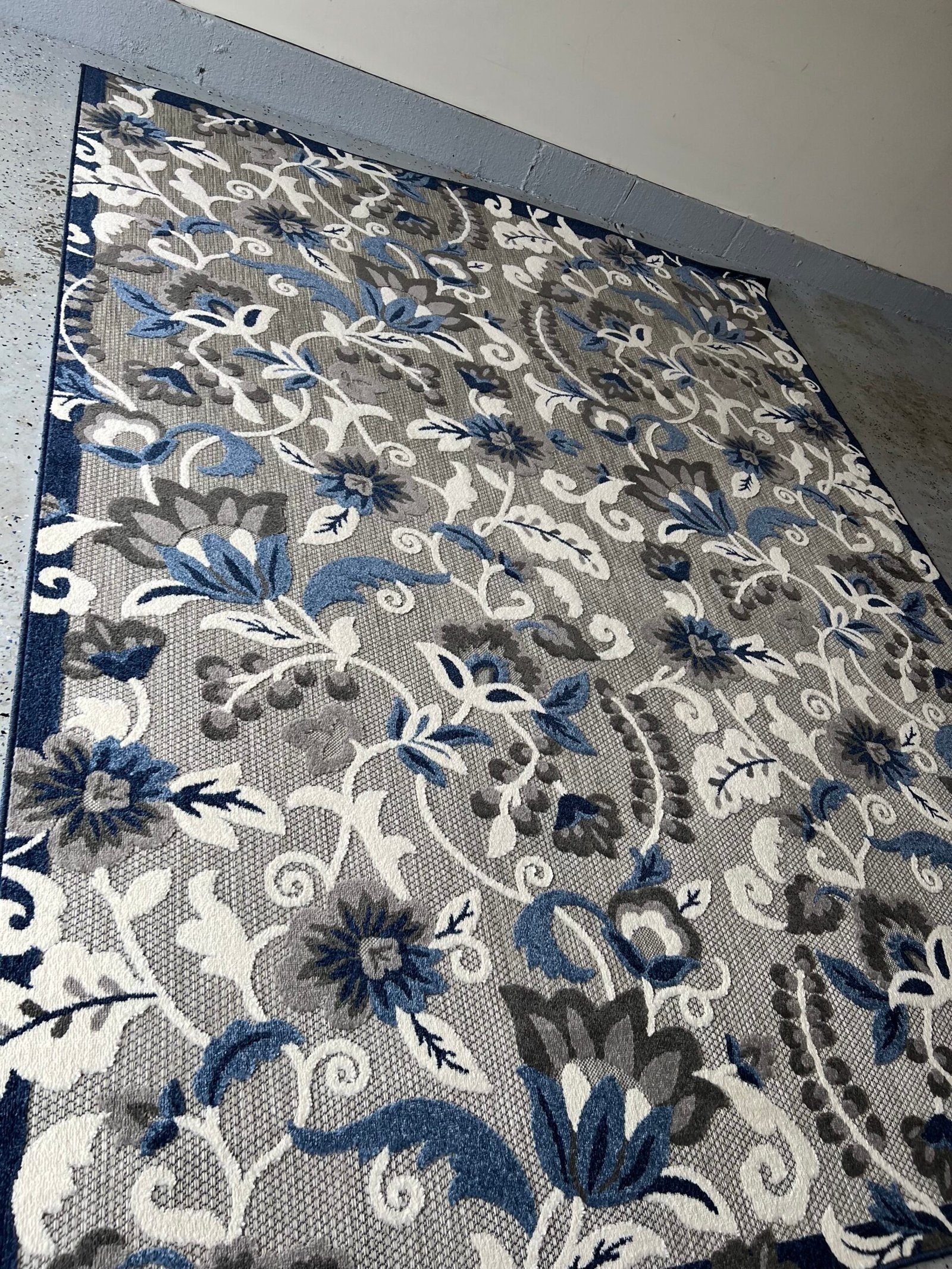
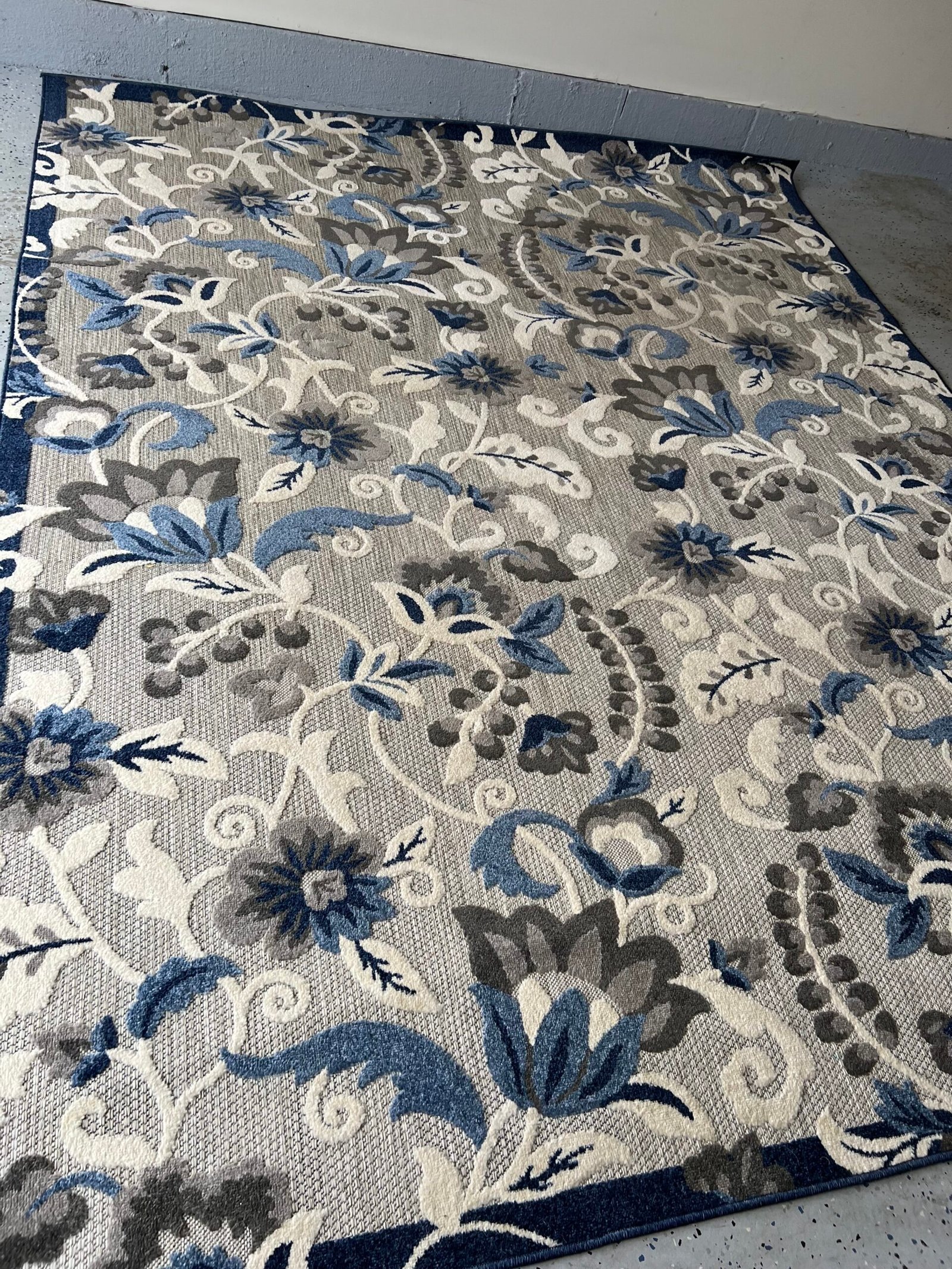
Drag the handle. The left half is where we came in.
Questions we get about this
Our dog was reliable for ten years and now has accidents every week. Is that normal?
It is very common past ten years of age and it is a medical change rather than a behavioral one. Worth mentioning to a veterinarian, since some causes are treatable. From the carpet's point of view what matters is that frequent small deposits in one place create a harder problem than a single large accident, so it is better to treat early than to manage it with paper towels for months.
Why would you need to come back a second time?
Because stacked contamination reports back slowly. A site that received dozens of small deposits holds a heavy salt layer at the base of the pad, and after the first treatment and a full dry down, some residual odor can surface. A visit two or three weeks later addresses what remains. That is the expected sequence for a long standing site, not a repair of a failed job.
The bonus room over the garage smells much worse in summer. Why that room?
There is nothing but insulation between that floor and outside air, so it runs colder in winter and hotter in summer than any other room. Cold slows drying, which keeps a deposit wet longer, and summer heat drives urine salts through reactivation harder. A room that seemed acceptable in April can be the worst in the house by mid July for exactly that reason.
Do you move a large sectional or clean around it?
We move it. The pocket beside and behind a sectional is where a great many deposits happen, precisely because the dog is out of sight there, and it is invisible from standing height. Cleaning around unmoved furniture is the most common reason odor persists after a room has already been treated once by somebody. If it cannot be moved we say so before starting.
Is there anything we should put down while the dog is still having accidents?
A washable waterproof layer where the dog sleeps intercepts most of what would otherwise reach the pad, and it is far easier to launder than a floor is to treat. Beyond that, blot fresh accidents with real pressure and cold water only. Heat sets both the protein and the discoloration, so a steam device or hot water on a fresh deposit makes the eventual job harder.
How large an area do you actually treat around a spot?
At least six to eight inches beyond the edge that fluoresces under the lamp, and more on an open floor. Liquid spreads outward through the pad in a wider circle than it makes in the face yarn, so the underside of a deposit is always larger than its top. Treating only the visible mark leaves a ring of contaminated pad around every site.
Do you cover all of Haymarket and the surrounding area?
Yes, 20169 and the neighboring parts of Prince William County. The newer neighborhoods here have a high proportion of houses with dogs, so this is regular work rather than something unusual, and we schedule several jobs in the area on the same day. That usually means we can offer a reasonable choice of appointment windows during the week.
At what point is treating no longer worth doing?
When several stacked sites have soaked through the pad into the subfloor, extraction has nothing left to reach. In that situation removing and replacing the pad in those areas and sealing the deck beneath is the better call, because it addresses the source instead of the surface. We decide that at the inspection, which is free and carries no obligation either way.
Have a look at it in person
Walkthroughs are free and take about fifteen minutes. We agree the scope together and point out anything that will not come out before a hose comes off the truck. Over a decade in Northern Virginia and that has not changed.