
Pet Odor and Stain Removal in Leesburg, VA
Pet odor removal in Leesburg turns on what sits under the carpet, because the pad holds most of what an accident leaves and in an older house the board subfloor holds the rest. Wood absorbs rather than holding liquid at the surface, so the work often becomes pad replacement and sealing rather than extraction alone.
The pad is the reservoir and nobody ever looks at it
Carpet is the part people see and the smallest part of the problem. Underneath it sits a pad, usually half an inch of foam or fiber, and under that a subfloor. When an animal has an accident, the carpet slows the liquid down and the pad takes almost all of it, holding several times the volume the face yarn can hold. That is the reservoir, and it is the reason surface cleaning does nothing lasting for pet odor. Anything that only touches the top is working on a fraction of what is there. Good pet odor removal in Leesburg begins with the assumption that the visible mark is the least important thing in the room.
In older houses across Leesburg, VA, in 20175 and 20176, what sits beneath the pad matters more than it does anywhere else in Loudoun County, because it is usually wood.
Board floors drink what a slab would hold at the surface
A concrete slab is porous but shallow. Liquid that reaches it spreads sideways and wicks into the top few millimeters, and it stays reachable. Plank subfloor and older plywood behave differently. Wood is absorbent through its full thickness, and the gaps between boards give liquid a path straight down. A deposit large enough to soak through a pad in a house of this age will often run into a seam, wet the edges of two boards, and continue into the joist bay below.
That is why an odor in an older house can be strongest in a room that shows nothing at all under the lamp. The deposit happened upstairs, followed a seam, and is now in a ceiling cavity. We check basement ceilings and the underside of floors wherever access exists, because finding it there changes what needs doing.
Sealing rather than scrubbing
Extraction removes what is in the carpet and pad. It cannot remove what has gone into wood, because a board is not a sponge that can be pulled dry from one side. Where the subfloor is contaminated the sequence is different: the carpet in that area comes up, the affected pad comes out and is replaced, the boards are cleaned and allowed to dry, then sealed with a shellac based product that blocks the remaining odor from moving upward. New pad goes down and the carpet is reinstalled.
In a house of this age, pet odor removal in Leesburg is often as much carpentry as cleaning. Sealing is not a shortcut. It is the only thing that works on wood, and skipping it is why so many people report that a new carpet started smelling in its first summer.
Signs the subfloor rather than the pad is the problem
- The odor is stronger in the room below than in the room where the accident happened
- A lifted corner shows dark staining on the boards that extends past the pad discoloration
- The smell returns within weeks of a competent treatment
- Fluorescence under the lamp is faint while the odor is strong, meaning most of the material is gone from the carpet
Long lived animals and long lived houses
The typical situation here is a dog that has been in the family a decade or more, in a house the family has owned longer than that. Odor accumulates in the same few locations over years: a favorite corner of a bedroom, the spot by the back door, the base of the stairs. Repeated deposits are not simply larger, they are chemically further along, with heavier salt loads and a pH that has climbed with each addition. Dog urine removal on a site like that takes more solution, a longer dwell and usually a second visit some weeks later.
Older animals with reduced continence also produce a different pattern than a puppy does: small volumes, frequently, often overnight and often where the dog sleeps. Those sites are easy to miss because no single event is dramatic. Under ultraviolet light they show as a diffuse patch rather than a discrete circle, and treating the whole patch matters more than treating its center.
Antique rugs in a house with a dog
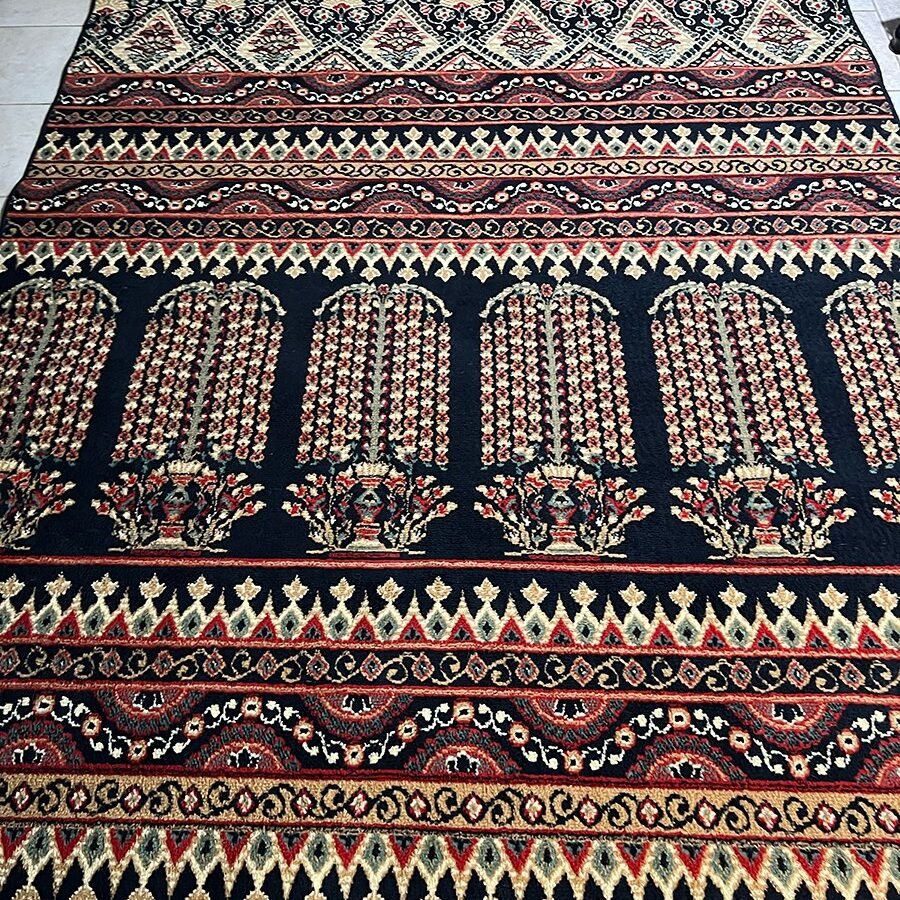
A good many houses here have older hand woven rugs, and those are the most vulnerable thing in the building. Urine turns alkaline as it ages and alkaline conditions strip acid dye from wool, so a rug can take permanent color loss within days. The foundation, typically cotton, holds liquid longer than the wool pile above it and releases it downward into the floor. A rug like that never gets treated where it lies. It comes up, gets tested for dye stability and washed separately, and the floor beneath is dealt with as its own problem.
The honest part of this conversation is that odor and color do not resolve together. We can usually take the smell out completely. A yellow or brown area where the dye has already changed may stay, and no amount of further cleaning alters that. Our rug cleaning page explains how the washing itself works.
Where the broadloom carpet also needs attention, carpet cleaning in Leesburg is normally done on the same visit, and long lived dogs mean upholstery cleaning in Leesburg is worth considering for the furniture they sleep on. Between visits, ordinary steam cleaning takes care of soil while upholstery cleaning takes care of the furniture, and heavy older drapery falls under curtain cleaning. The same approach travels west to Purcellville and back east toward Ashburn.
What this looks like
A real job, before and after. Drag the handle.
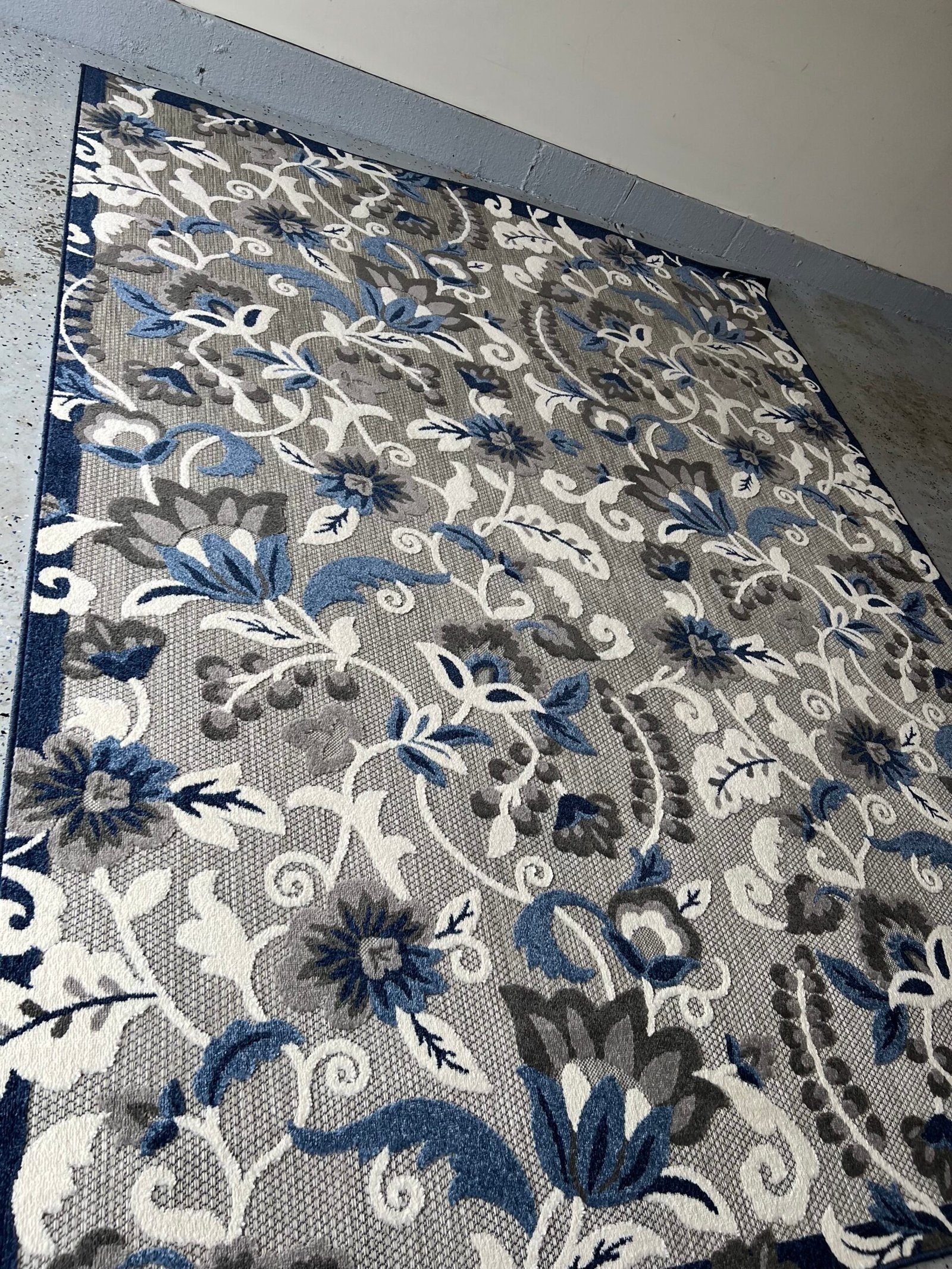
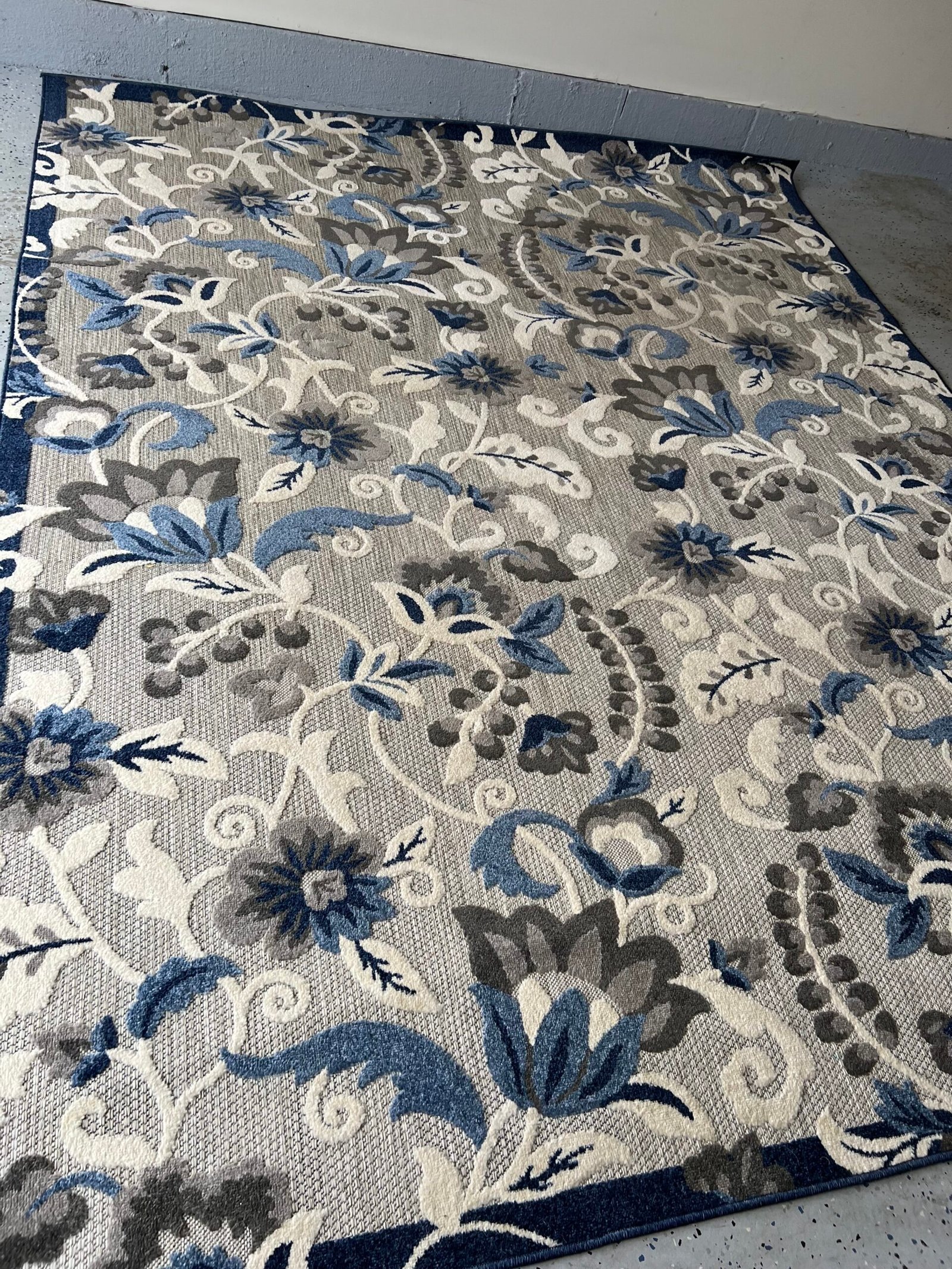
Drag the handle. The left half is where we came in.
Questions we get about this
Why is a wood subfloor worse than a concrete one for pet odor?
Because wood absorbs and concrete mostly does not. A slab is porous only at the surface, so liquid spreads sideways and stays within reach of extraction. Wood takes liquid into its full thickness and the seams between boards give it a route straight down. Once urine is in a board, no amount of extraction from above pulls it back out, so the approach has to change.
The smell is worst in the room underneath. How does that happen?
The deposit followed a seam. Liquid that soaks through a pad in an older house often runs into the gap between two boards, wets both edges, and continues into the joist cavity below. The room where the accident occurred can read almost clean under a lamp while the ceiling below carries most of the odor. We check underside access whenever there is any.
What does sealing the subfloor actually involve?
The carpet in the affected area is released and folded back, the contaminated section of pad is cut out and discarded, and the boards are cleaned and allowed to dry fully. A shellac based sealer is then applied over the affected area, which blocks the remaining odor from moving up through the new installation. Fresh pad goes down and the carpet is stretched back into place.
Our dog is fourteen and has small accidents overnight. Is that treated differently?
Yes. Frequent small volumes create a diffuse area rather than a few defined spots, usually around where the dog sleeps. Under ultraviolet light it appears as a broad faint patch with no clear edge. Treating only the center misses most of it, so we map the whole patch and treat past its outer boundary. These situations also benefit from a regular schedule rather than one visit.
Can an antique wool rug be saved after a dog accident?
The odor almost always can be removed completely. The color is a different question. Urine goes alkaline as it ages and alkaline conditions strip acid dyes from wool, so a rug can lose color permanently within a few days. We wash the rug separately after testing dye stability, and we tell you before starting whether the discoloration looks like something that will remain.
Do you cover both Leesburg ZIP codes and the surrounding area?
Yes, 20175 and 20176, along with the rest of western Loudoun County. Housing here ranges from older homes near the center of town to newer construction on the edges, and the difference matters mainly because of what is under the carpet. Older houses tend to have board subfloors, which changes both the diagnosis and what the repair involves.
We had the carpet treated last year and the smell came back. What went wrong?
Usually the treatment addressed the carpet and pad while the actual source had already moved into the subfloor. Extraction cannot reach material inside wood, so the odor quiets for a few weeks and then returns with the first humid stretch. That pattern, a competent clean followed by a return within a season, is one of the clearest indicators that the deck needs sealing.
Should new carpet be installed before or after the odor work?
The odor work has to come first, and the window when the old carpet is out is the best opportunity you will get. With the floor exposed, the subfloor can be inspected properly, treated and sealed in a fraction of the time it takes with carpet in place. Installing new carpet over a contaminated deck simply restarts the problem underneath a fresh surface.
Have a look at it in person
Walkthroughs are free and take about fifteen minutes. We agree the scope together and point out anything that will not come out before a hose comes off the truck. Over a decade in Northern Virginia and that has not changed.