
Pet Odor and Stain Removal in McLean, VA
Pet odor removal in McLean is really two jobs at once, because an accident on wool leaves an odor in the pad and a chemical change in the dye above it. We treat both and we are straight about which one is likely to come back all the way and which one may not.
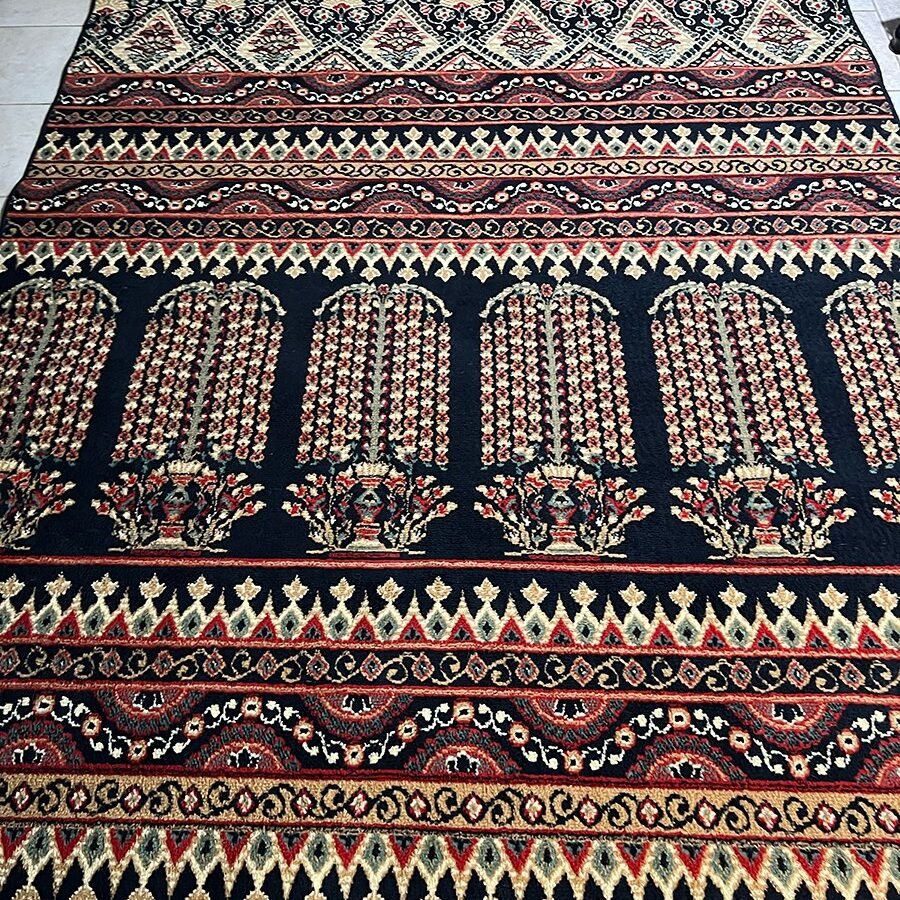
Two problems arrive in the same accident
Odor and color are separate failures, and they do not resolve on the same schedule. Odor lives below the surface, in the pad and sometimes in the boards or slab under it. Color is a chemical change in the dye itself. On the wool carpet and hand knotted rugs that are common in this part of Fairfax County, the color problem moves fast. Urine leaves the animal close to neutral, then turns alkaline over a day or two, and alkaline conditions lift acid dye off wool fiber. What remains is not a mark sitting on the yarn. It is yarn that has become a different color. Pet odor removal in McLean begins with that distinction, because you should know before anyone unrolls a hose that the smell will very likely go completely while an amber cast may stay.
Heat speeds it up. A deposit in a sunny bay window or against a warm wall shifts faster than the same deposit in a cool hallway. On synthetic carpet the window before permanent change is measured in weeks. On wool it can be three or four days.
The walk we take with the lights off
Before any product comes out of the van we close the blinds and cross the floor with an ultraviolet lamp held about a foot above the pile. Urine salts fluoresce a dull yellow green, and the shape they make tells us more than the brightness does. A round deposit the size of a saucer is one accident. A long comma is an animal that kept walking. A hard edged line at the wall is liquid that ran under the baseboard and stopped at the framing. We mark and measure each one, because the area we treat always has to be wider than what shows: liquid spreads through the pad in a larger circle than it does through the face yarn, commonly by four to eight inches on every side.
The inspection is free and carries no obligation. Some houses read clean under the lamp and the smell turns out to be in a rug, a chair or the curtains.
Hand knotted rugs never get treated where they lie
A wool rug over a hardwood floor is its own situation. The rug holds the deposit, then releases it downward, and the finish beneath can go dark and cloudy while the rug still looks passable from above. A rug in that condition has to come up. Treating it in place pushes contamination further into the boards and does nothing for the foundation of the rug, where urine usually collects on the cotton warp and sits.
Those are handled apart from carpet, with full immersion washing where the construction and the dyes allow it, and we test dye stability before water touches anything. Our rug cleaning page describes how that runs. If the floor underneath has been damaged, that is a different trade, and we say so rather than pretend a rug wash covered it.
Checked before a rug is treated
- Foundation fiber, since a cotton warp holds urine longer than the wool pile above it
- Dye bleed on every color in the field, tested with a damp white cloth near the fringe
- Whether the deposit reached the backing or stopped in the top third of the pile
- Existing dye loss, photographed before any chemistry is applied
What reaches the pad and what only crosses it
Pet odor removal in McLean fails most often at this step. A standard cleaning wand draws from the face yarn and the upper backing, no further. It does not reach a deposit that soaked into the pad, which is exactly where dog urine removal fails when people attempt it with a rental machine. Enzyme treatment has to go down at volume, enough liquid to reach the depth the urine reached, and then be left alone. Enzymes are living chemistry and want dwell time, generally twenty to forty minutes at room temperature and longer in a cool house.
After the dwell comes sub surface extraction. The head seals down onto the carpet so vacuum lifts up through the pad rather than skimming what sits on top. On wool we hold solution temperature moderate, near 150 degrees Fahrenheit rather than the 180 we would run on nylon, because wool does not forgive heat. Where the pad is saturated across more than a couple of feet, taking that section of pad out is the better call, and we tell you plainly when that line has been crossed.
Older animals in houses lived in a long time
A good share of the work here is not one event. It is a dog of thirteen or fourteen who has lived in the same house since it was a puppy, with two or three repeat spots that the family has learned to walk around. Repeated deposits in one square foot behave differently from a single accident, because each one drives the alkalinity higher and the salts stack up. Those areas often want a second visit, and a second visit is not a failure of the first. It is how layered contamination comes out.
Owners in McLean, VA, across 22101, 22102 and 22106, ask whether they should simply wait until the animal has passed. We do not think so. Odor left alone keeps working on the dye, and a floor treated twice a year stays serviceable much longer than one treated once at the end. Routine hot water extraction between treatments also keeps the surrounding carpet from making the treated spots obvious.
When the rest of the floor has not been touched in years we usually pair the odor work with carpet cleaning in McLean on the same visit, and where a sofa has absorbed its share, upholstery cleaning in McLean. Cat urine odor on cushion decks and fabric arms needs the same enzyme and dwell approach as carpet, and heavy drapery holds it too, which is why curtain cleaning sometimes joins the job. We run the same method for neighbors in Great Falls and Tysons.
What this looks like
A real job, before and after. Drag the handle.
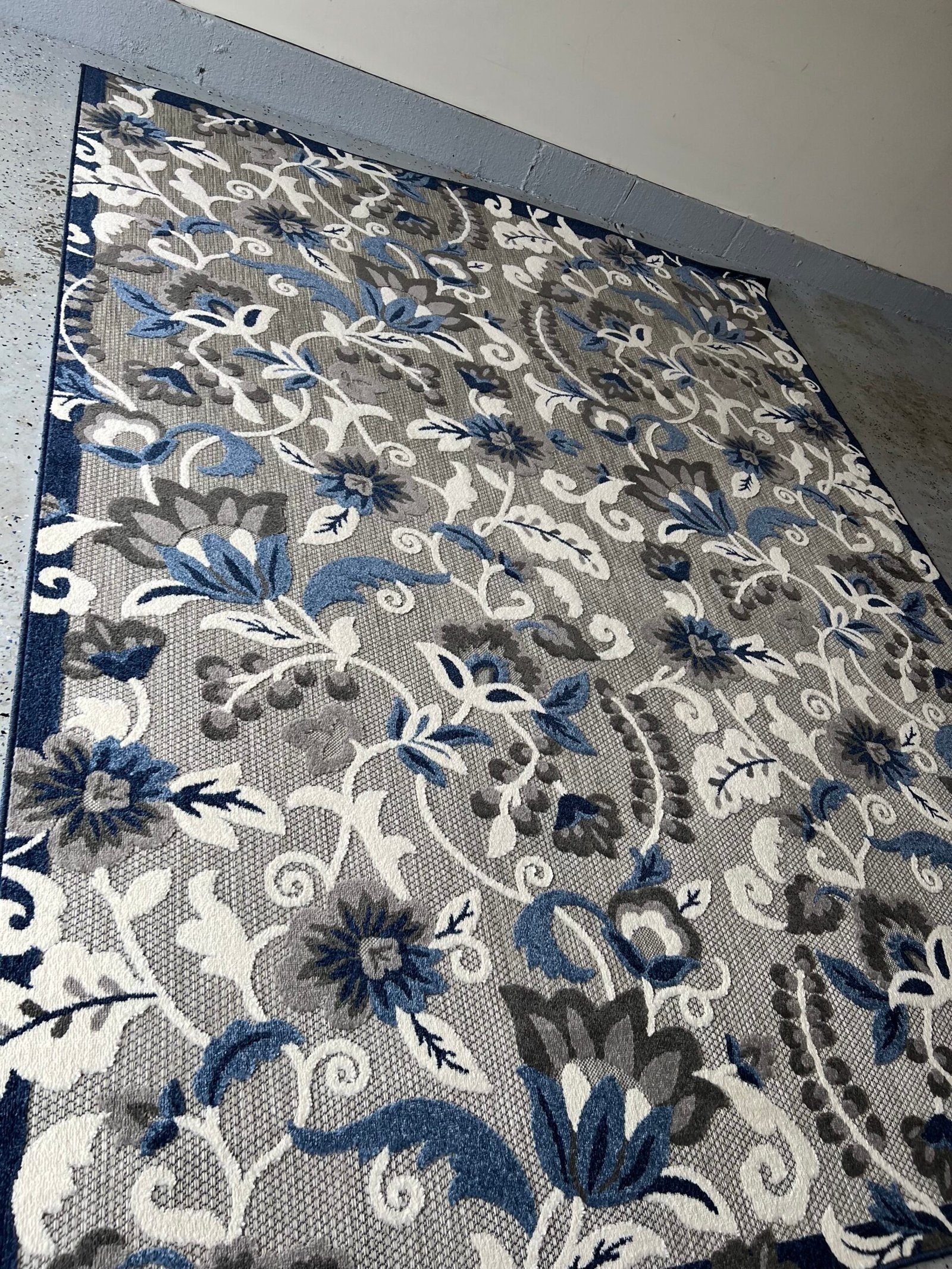
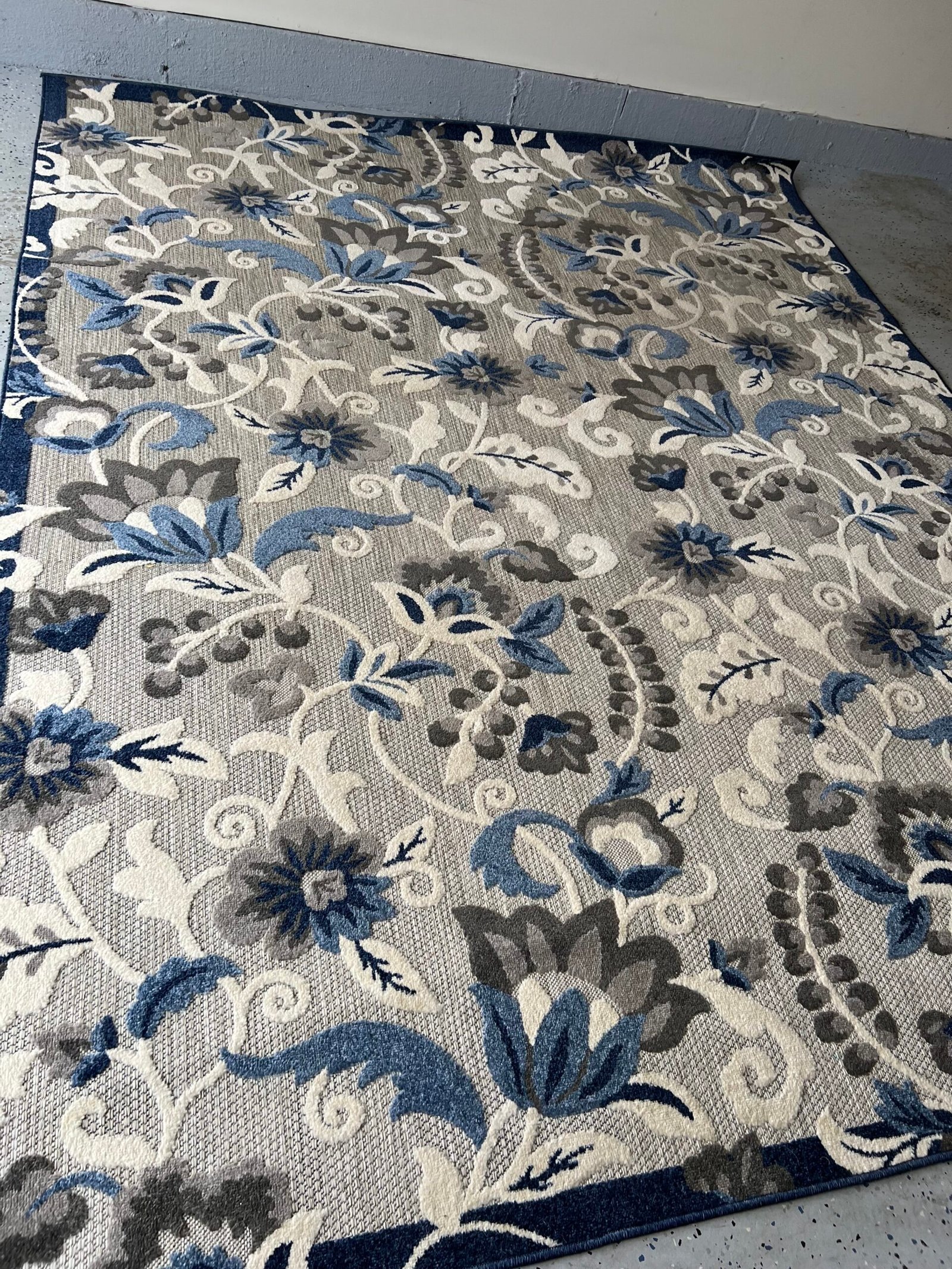
Drag the handle. The left half is where we came in.
Questions we get about this
Our wool carpet still shows a yellow ring after the smell went away. Why?
Because odor and color are two different problems. The smell comes from urine salts and bacteria in the pad, and those can be removed completely. The yellow is dye that has already been altered by alkaline urine, so the wool fiber itself is now a different color. Removing what caused it does not put the original dye back. Correcting color is a separate specialty and it is not always possible.
How quickly does urine damage wool compared with synthetic carpet?
Much faster. Wool is dyed with acid dyes that alkaline urine strips off directly, and the change can start within three or four days. Nylon and polyester usually give you several weeks before anything permanent happens. Warmth shortens both windows, so a deposit in a sunlit room or near a heat source moves faster than one in a cool hallway.
Can you treat a hand knotted rug in the room where it sits?
No. A rug holds urine in its cotton foundation and releases it downward into the floor beneath, so cleaning it in place drives the problem further into the boards and leaves the foundation untouched. Rugs come up and are washed separately, with dye stability tested first. If the hardwood under the rug has darkened, that is a flooring repair rather than something a rug wash resolves.
Does an older dog in a long occupied McLean house need a different plan?
Usually yes. Long term animals leave repeat deposits in the same one or two square feet rather than scattered single accidents, and stacked contamination raises alkalinity each time. Those spots often need a second treatment after the first has fully dried and the odor has had time to report back. That is expected with layered deposits and not a sign the first visit failed.
Which ZIP codes in McLean do you cover for pet odor work?
All of them, meaning 22101, 22102 and 22106, along with the rest of Fairfax County. The housing stock differs across those areas but the method does not, since what matters is fiber type, pad condition and how long the deposit has been there. We schedule by drive time, so a morning or an afternoon block is usually easy to arrange.
Is the ultraviolet inspection actually useful or is it for show?
It is the most useful ten minutes of the visit. Urine salts fluoresce under a handheld lamp in a dark room, which shows deposits that are invisible in daylight and reveals their true size and shape. Without it we would treat what we can see and miss the wider spread in the pad underneath. It also finds sources people had wrongly blamed on the carpet.
Will you tell us if the pad needs to come out instead of being cleaned?
Yes, and we would rather say it early. When saturation covers more than a couple of feet or a deposit has been sitting for months, extraction alone will leave odor behind. In that situation cutting out the affected pad and sealing the subfloor is the better call. Saying so before we start is part of the job rather than an upsell.
Can carpet cleaning happen on the same visit as odor treatment?
It normally should. Once treated areas are clean and the surrounding carpet is not, the difference is obvious under any light, and that contrast bothers people more than the original spot did. We treat the deposits first, let them dwell and extract, then clean the rest of the floor so the whole room finishes at the same level.
Have a look at it in person
Walkthroughs are free and take about fifteen minutes. We agree the scope together and point out anything that will not come out before a hose comes off the truck. Over a decade in Northern Virginia and that has not changed.