
Pet Odor and Stain Removal in Great Falls, VA
Pet odor removal in Great Falls is a mapping problem before it is a cleaning problem, since a house with six carpeted rooms and three animals has more sites than anyone has counted. We survey every room under ultraviolet light, mark and measure each deposit, then plan the treatment around what the map actually shows.
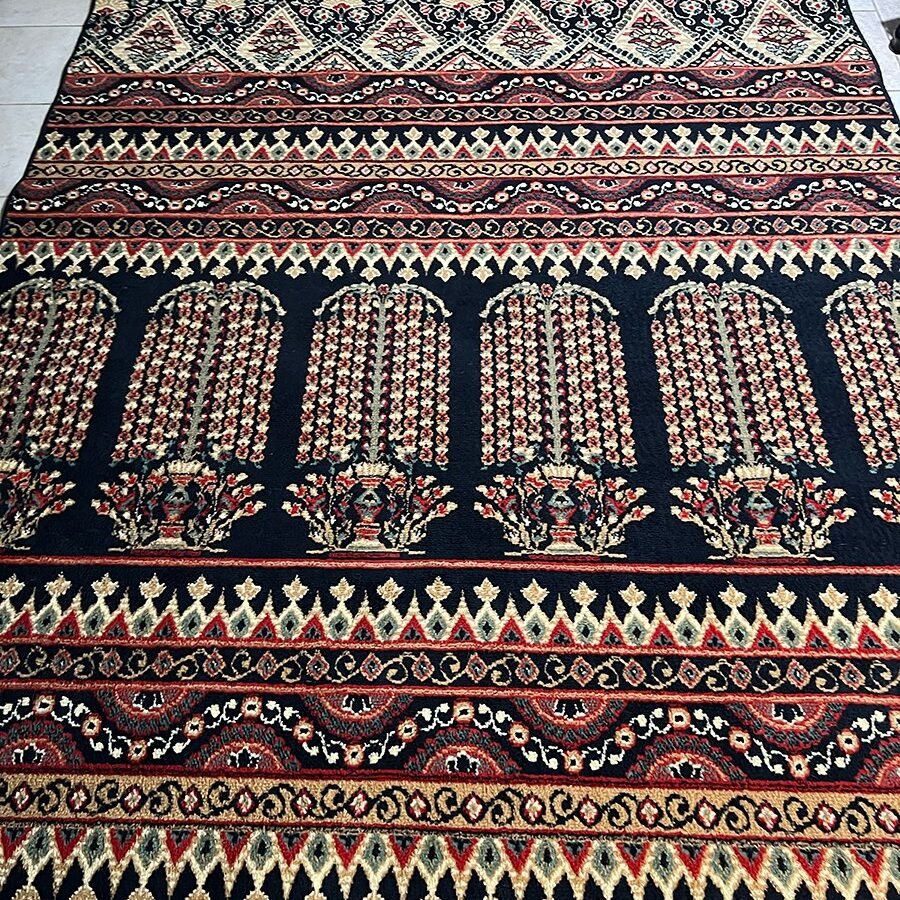
Mapping four thousand square feet in the dark
The inspection here runs longer than anywhere else we go, and it decides everything after it. We close every blind, kill the lights and cross each carpeted room with an ultraviolet lamp, working in overlapping lanes the way you would mow a lawn, because the beam only reads a narrow strip at a time. In a house with five or six carpeted rooms plus a stair run and a hallway, that is forty five minutes of walking before a single hose comes off the reel.
What comes out of it is a map, not an impression. Every deposit gets outlined in low tack tape and measured, and we note whether the fluorescence is bright and sharply edged, which reads as recent, or dim and diffuse, which reads as old and already dried through several cycles. A large house commonly holds eleven or twelve sites when the family knew of three.
More than one animal changes the pattern
Households in 22066 frequently have two or three dogs, sometimes with a cat as well, and multiple animals do not simply multiply the number of accidents. They change where the accidents happen. Animals mark over each other, so once one deposit exists in a corner the others tend to add to it, and a single location can carry contributions from several animals over a long period. Those stacked sites are the hardest to clear, because the pad below them has been wet and dry repeatedly and the salt load at the bottom is heavy.
Cats and dogs also fail in different geometry. A dog usually deposits on open floor or against a vertical surface. A cat tends toward edges, closets, behind furniture and against the tack strip where carpet meets the wall, and cat urine odor is more concentrated to begin with, so a smaller area produces a stronger smell. Both get found under the lamp, but knowing which animal made which site tells us how deep to expect the problem to run.
Long hose runs and what distance does to vacuum
Pet odor removal in Great Falls is limited by reach at least as often as by chemistry. In a house where the farthest bedroom sits two hundred feet from the driveway, physics is part of the plan. Vacuum falls off with hose length and with every elevation change, and a sub surface tool that pulls well at a hundred feet does not pull the same at two hundred and fifty. We plan the run before we start: shortest practical path, no unnecessary bends, and where the house allows it we reposition the truck rather than adding hose. On upper floors we account for the vertical lift as well, which drains more vacuum than the equivalent horizontal distance.
The reason this matters is that sub surface extraction depends on maintaining a real seal and a real pressure differential at the tool head. If the vacuum is marginal, the tool goes through the motions and leaves the pad wet, which is worse than not treating it at all. Where the geometry is against us we stage the work by zone instead of trying to reach everything from one position.
How a large house gets sequenced
- Full ultraviolet survey of every carpeted room before anything is applied
- Enzyme application to all mapped sites at once, so the dwell runs in parallel rather than room by room
- Sub surface extraction zone by zone, working outward from the truck position
- Air movers left on the heaviest sites while the remaining rooms are cleaned
- A second lamp pass at the end of the day, in the dark again, to confirm nothing was missed
Which floors come up and which get treated in place
Not everything can be saved by extraction, and pretending otherwise wastes a day. When a site has been saturated repeatedly over months, the pad has usually failed as a barrier and the deposit has reached whatever is underneath. In that case the honest recommendation is to lift the carpet in that area, remove and replace the section of pad, seal the subfloor with a shellac based product, and reinstall. Pulling the pad out is the better call there, and we would rather say it during the inspection than after a day has gone into a treatment that could not have worked.
On the other hand, a great many sites in these houses are recent and shallow, sitting in the face yarn and the top of the pad. Those clear completely with enzyme and extraction, and the difference between the two categories is visible on the lamp map before we begin. Pet odor removal in Great Falls, Virginia is mostly a matter of sorting one from the other correctly.
One day, one house, one technician
A property with this much carpet is not a short stop. We block a full day, and because the business is owner operated the person who inspected the floor is the person who treats it and the person you talk to about the results. This is one of the larger housing stocks in Fairfax County and the days are planned accordingly. Call (540) 628-5274 and we will look at the layout before scheduling, since the room count and the driveway distance both matter to how the day is planned.
Most of these houses also carry hand knotted rugs, which come out for separate washing rather than being treated underfoot. Our rug washing page covers that. Where the rest of the floor has gone a few years, carpet cleaning in Great Falls runs the same day, and sectionals in a family room usually need upholstery cleaning in Great Falls at the same time. Routine steam cleaning afterward keeps the treated areas from standing out against everything around them, and upholstery work follows the same schedule. We work the same way for houses in McLean and Herndon.
What this looks like
A real job, before and after. Drag the handle.
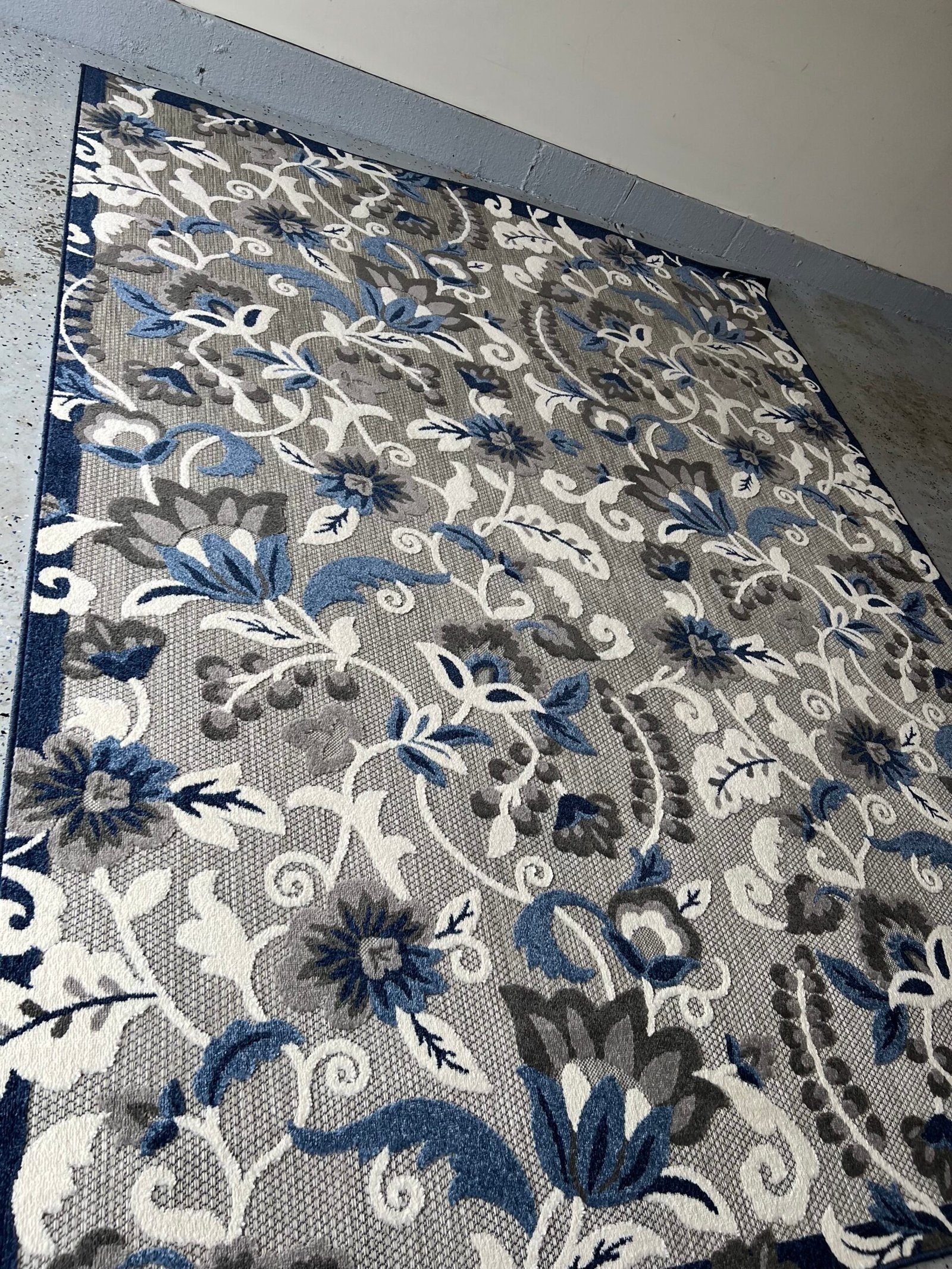
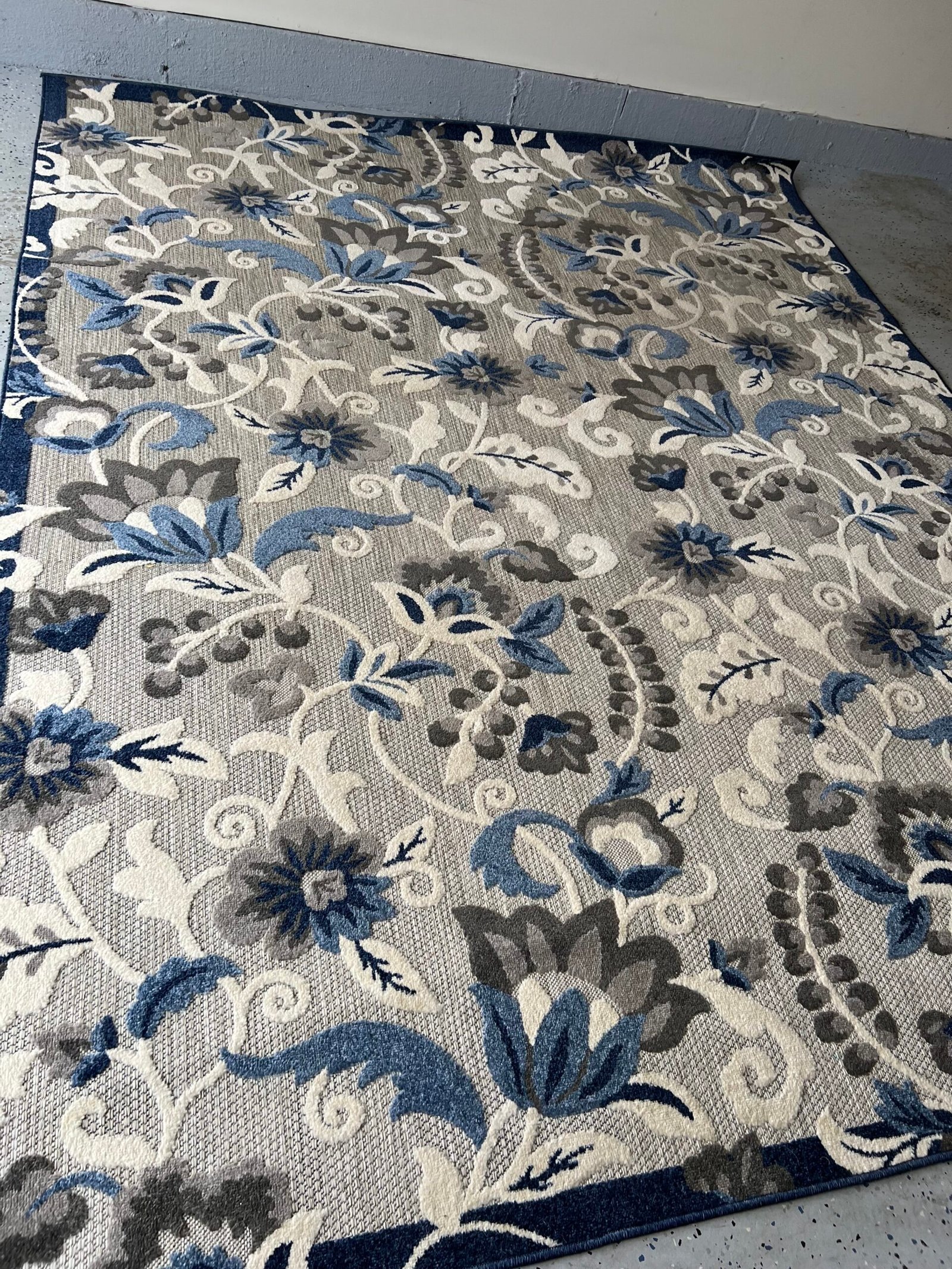
Drag the handle. The left half is where we came in.
Questions we get about this
We knew about three spots and you found twelve. How is that possible?
Most deposits leave nothing visible once they dry, especially on a medium or dark carpet. They are only obvious when the salts are wet enough to smell or when the light hits at the right angle. Under an ultraviolet lamp in a fully dark room the salts fluoresce whether or not they can be seen in daylight, so a survey routinely turns up several times what a family had noticed.
Does having three dogs mean three times the work?
Not proportionally, but it is harder than one dog. Animals tend to add to existing sites rather than creating fresh ones, so you end up with fewer, deeper deposits instead of many shallow ones. Those layered spots have gone through repeated wet and dry cycles and hold a heavier salt load at the base of the pad, so they need more solution, more dwell time and often a second visit.
How far can you run hose from the driveway to a back bedroom?
We routinely run two hundred feet, and further when the house requires it, but vacuum drops with length and with every step of vertical lift. Since sub surface extraction depends on a strong pressure differential at the tool, we plan the shortest sensible path and reposition the truck for distant zones instead of simply adding hose and hoping it still pulls.
Do cats and dogs leave different patterns in a large house?
Yes, and it is useful to know which you are dealing with. Dogs generally go on open floor or against a vertical surface. Cats favor edges, closets, the space behind furniture and the tack strip line where carpet meets the wall. Cat deposits are more concentrated, so a smaller site can produce a stronger odor than a larger dog deposit nearby.
Will a house in 22066 need a full day?
Usually, if several rooms are involved. A proper survey takes about forty five minutes on its own, enzymes need real dwell time before extraction, and heavy sites want air movers running while the rest of the work continues. Trying to compress that into a short visit is how odor comes back a month later. We block the day rather than rushing the dwell.
When do you recommend replacing pad instead of treating it?
When a site has been saturated repeatedly over months and the deposit has clearly passed through the pad into the subfloor. Extraction cannot pull odor out of material that has failed as a barrier. In those cases we lift the carpet in that area, replace the section of pad, seal the subfloor with a shellac based product and reinstall the carpet over it.
Do you check your own work before leaving?
Yes. At the end of the day we darken the rooms again and repeat the lamp pass over every treated site and the areas around them. Wet carpet reads differently under ultraviolet light than dry carpet, so the second pass is about confirming coverage and catching anything the first survey missed rather than judging the final result.
What about the wool rugs in the main rooms?
Those come out of the house rather than being treated where they lie. A rug over hardwood traps urine in its foundation and releases it downward, so cleaning it in place makes the floor beneath worse and leaves the rug itself untreated at the base. We test dye stability, wash it separately, and tell you honestly if the floor underneath has already been affected.
Have a look at it in person
Walkthroughs are free and take about fifteen minutes. We agree the scope together and point out anything that will not come out before a hose comes off the truck. Over a decade in Northern Virginia and that has not changed.