
Pet Odor and Stain Removal
Pet odor is a structural problem, not a surface one, and it returns every humid summer until the source is gone. We find it, treat it, and tell you plainly which stains will lift and which will not.
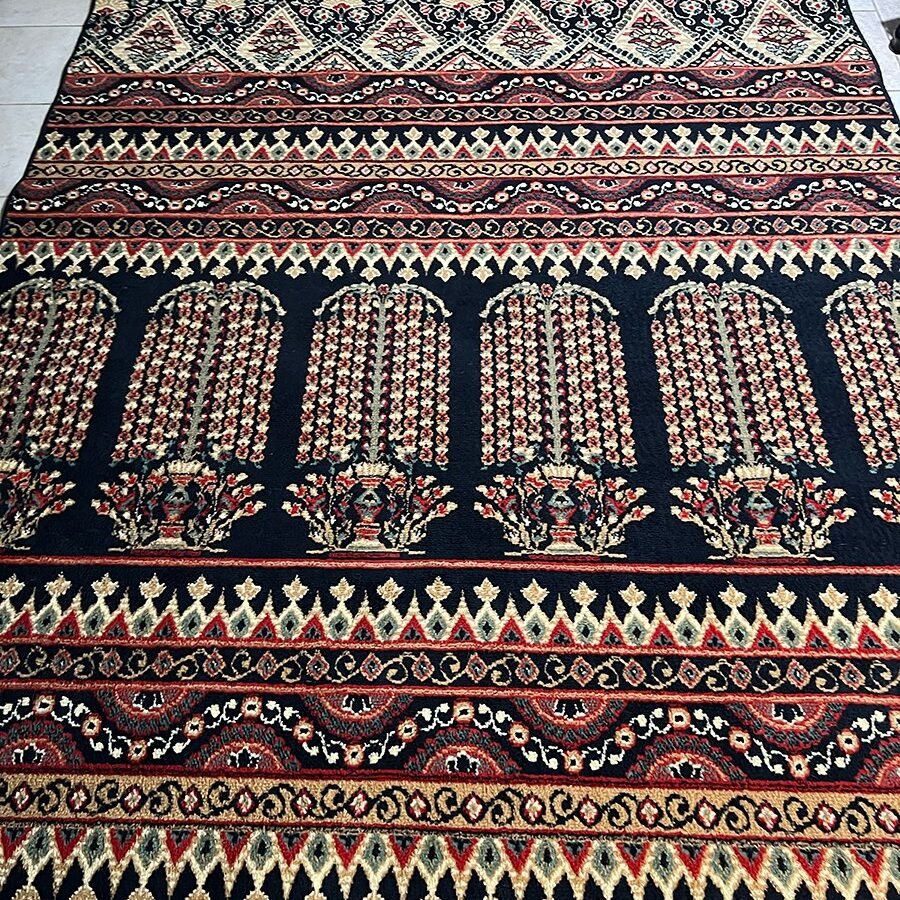
The smell is never on the surface
When a dog or cat urinates on carpet, most of the liquid is through the face yarn in seconds and into the pad. A saucer sized spot on top is a dinner plate underneath, and from there it reaches the tack strip and the subfloor.
That is why surface cleaning fails. The carpet looks clean and the room still smells. You cannot fix the pad by working the yarn above it.
Why it comes back every summer
Dried urine leaves crystalline salts that pull moisture out of the air. When indoor humidity climbs through a Northern Virginia July, the salts dissolve, the bacteria feeding on them resume, and the room produces ammonia again.
Sprays and powders put a smell on top of a smell. The salts have to be dissolved and pulled out. We have been called back to houses in Ashburn and Herndon where three surface cleanings were paid for and none reached the pad.
Finding what the eye cannot
We inspect with ultraviolet light in a darkened room. Urine fluoresces a dull yellow green years after the fact. Every hit is taped, then confirmed with a moisture meter.
Ultraviolet is a tool, not proof. Laundry brighteners and some adhesives glow too, so we confirm before we treat.
The treatment
- Ultraviolet and moisture survey, areas taped and measured
- Enzyme applied at volume, deep enough to reach the urine
- A dwell of 20 to 45 minutes, covered where needed
- Sub surface extraction that drives rinse through carpet and pad and pulls it back, at 180 to 210 degrees Fahrenheit at the jet
- An acid side rinse, pH 5.5 to 6.5, so the fiber dries clean, not sticky
- Air movers, with 6 to 12 hours of dry time
Enzymes need time. Anyone who sprays and extracts in the same minute has not treated anything. Where we are also running hot water extraction, treated areas go first.
Pad replacement and sealing
Where one animal used the same three feet for months, where the pad crumbles, or where the subfloor smells with the carpet lifted, that pad comes out. Cutting out an eighteen inch square of pad takes about ten minutes. Cleaning that same spot three times and still smelling it in August does not.
Bare plywood that has taken urine is cleaned, dried, and sealed with a pigmented shellac based primer before new pad goes down. We will tell you when replacing the carpet is the better call.
Dye damage is not odor
Fresh urine is alkaline and turns acidic as it breaks down, and that acid strips dye from nylon. What is left is altered fiber, not soil. A reducing agent lifts some of it. Often nothing moves.
We remove the odor in nearly every case where we reach the source. We do not promise the stain, and we will tell you which of the two you have. Wool and silk rugs get washed flat as rug cleaning.
Vomit, feces, and tracked in mud
- Vomit is acidic and often carries food or bile dye, so permanent color change is common.
- Feces is a biohazard cleanup first, with a disinfectant step before extraction.
- Tracked in mud is soil. Let it dry, vacuum it out, then extract. Scrubbing wet clay drives it into the yarn.
Move what you can off the affected areas before we arrive, and point out the spots you already know about so the ultraviolet survey confirms rather than hunts. We run the same route from Sterling to Haymarket, and carpet cleaning for the rest of the house fits the same visit.
What this looks like
A real job, before and after. Drag the handle.
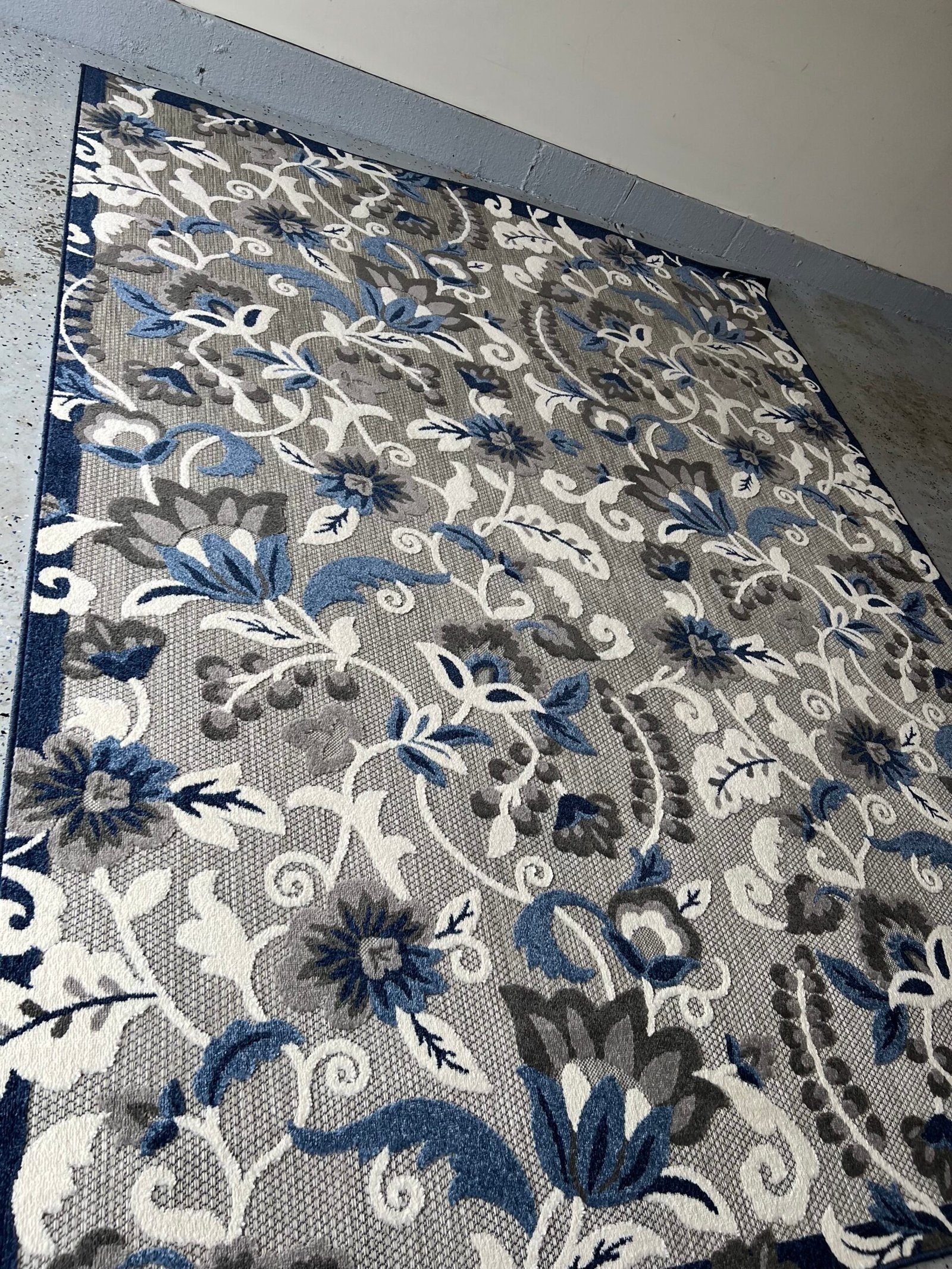
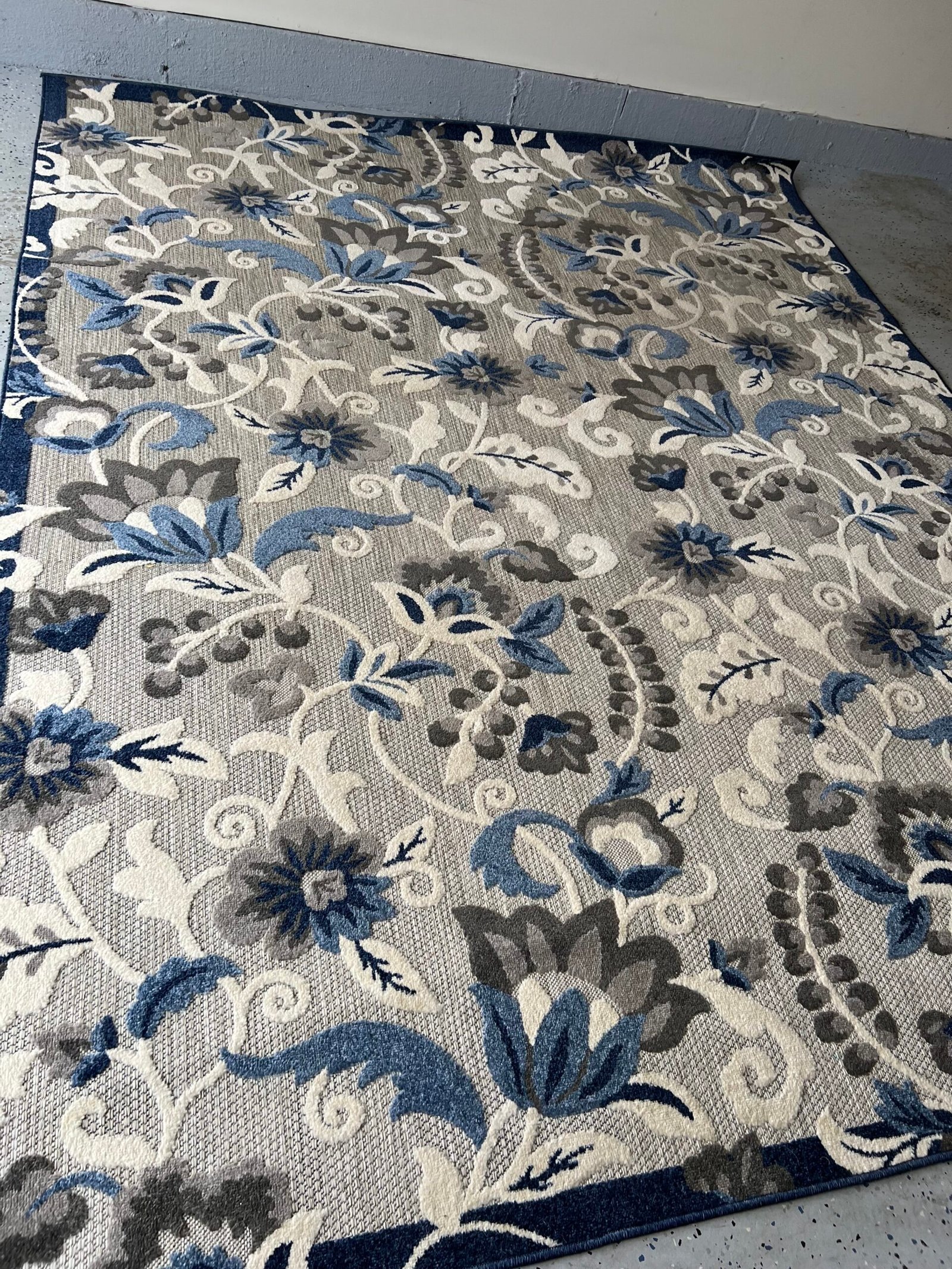
Drag the handle. The left half is where we came in.
Questions we get about this
Why does the smell come back when it gets humid?
Dried urine leaves crystalline salts that absorb moisture from the air. When indoor humidity rises through the summer, those salts dissolve again and the bacteria feeding on them resume producing ammonia and sulfur gas. The room smells sour again even though nothing new has happened. The only fix is dissolving and extracting the salts from the pad and subfloor, not covering them with fragrance.
How do you find spots I cannot see?
We darken the room and inspect with ultraviolet light, which makes urine fluoresce a dull yellow green even years later. Every hit gets marked with painter's tape, then confirmed with a moisture meter and, where possible, by lifting a corner at the tack strip. Ultraviolet also lights up laundry brighteners and some adhesives, so we confirm every mark with the meter before we treat it.
Will the yellow stain come out along with the smell?
Sometimes, and sometimes not. Urine turns acidic as it breaks down and strips dye out of nylon, so what remains is altered fiber rather than soil sitting on top of it. A reducing agent lifts some of that color. It will not touch fiber that has genuinely lost its dye. We can remove odor in nearly every case where we reach the source, but we will not promise the stain.
Do you have to replace the pad?
Not usually. Sub surface extraction handles most contamination by flushing rinse through the carpet and pad and pulling it back through both. Replacement is for the cases where one animal used the same small area for months, where the pad crumbles or stays wet, or where the subfloor smells with the carpet lifted. In those spots we cut and replace that section rather than clean it three times.
When does the subfloor need to be sealed?
When bare plywood or oriented strand board has absorbed urine and still smells after cleaning and drying. We clean it, dry it, then seal it with a pigmented shellac based primer before new pad goes down. A concrete slab is more forgiving but still needs sealing where urine soaked into the pores. Skipping this step is the most common reason a repaired area smells again within a year.
How long does it take to dry, and can my pets be in the room?
Six to twelve hours with air movers, longer if a large volume went into the pad. Keep pets and children off the treated area until it is dry to the touch, mostly so nobody tracks damp fiber through the house. Animals often return to a spot they used before, so confining them for a day or two after treatment helps keep the repair from being undone.
Do you handle vomit and feces, or only urine?
All of it, treated as separate work. Vomit is acidic and frequently carries food or bile dye, so it can cause permanent color change on top of staining. Feces is treated as a biohazard cleanup with a disinfectant step before extraction. Tracked in mud is a soil job: let it dry completely, vacuum it out, then extract. Scrubbing wet clay pushes it into the yarn permanently.
Can I treat a fresh accident myself before you get here?
Yes, and it helps. Blot with white towels under your body weight until they come up nearly dry, then rinse with cool water and blot again. Skip vinegar, baking soda, and anything heavily fragranced, since they either set the salts or mask what the ultraviolet survey needs to find. Do not run a rented machine with a brush head over the spot. Call us at (540) 628-5274.
The rest of what we do
- Carpet Cleaning Rooms, stairs, hallways and traffic lanes, cleaned with truck mounted extraction.
- Steam Cleaning and Hot Water Extraction The method itself: hot water at pressure, pulled back out with the soil.
- Rug Cleaning Wool, silk, oriental and antique rugs, washed by hand off site.
- Upholstery Cleaning Sofas, sectionals, chairs and headboards, cleaned to the fabric code.
- Curtain and Drapery Cleaning Panels, sheers and lined drapery, cleaned in place or taken down.
Have a look at it in person
Walkthroughs are free and take about fifteen minutes. We agree the scope together and point out anything that will not come out before a hose comes off the truck. Over a decade in Northern Virginia and that has not changed.