
Upholstery Cleaning in Leesburg, VA
A good share of the furniture in older Leesburg houses predates cleaning code tags entirely. It came from a grandparent, an estate or a shop forty years ago, and nothing about it tells us what it will tolerate until we test it.
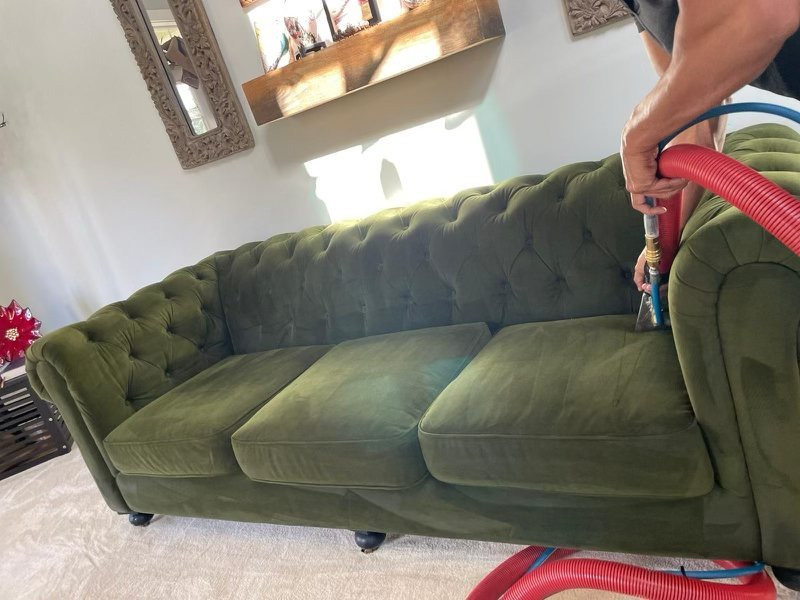
A chair with no tag and no history
The piece we are asked about most often for upholstery cleaning in Leesburg is a chair nobody can date. Carved show wood, a tight woven face fabric, possibly reupholstered once in the 1980s, definitely no label anywhere on it. There is no fabric cleaning code to read, no manufacturer to look up, and the owner knows only that it belonged to somebody they cared about. That is the whole brief, and it is a reasonable one.
What we do with it is not guesswork. Old furniture gives away a great deal to a technician who looks: whether the face is a natural fiber or a synthetic, whether the backing feels like jute or a modern woven scrim, whether the fill is cotton batting, horsehair or foam, and whether the seams are hand stitched. Each of those changes what happens when the fabric gets wet, and all of them can be read in a few minutes before any equipment comes in from the vehicle.
The white towel test on a piece you cannot replace
We find a panel nobody will ever see, usually the underside of a skirt or the outer back low down near the frame, and treat a small patch there with the gentlest product on the vehicle. A white towel is then pressed hard into it. Color on the towel means the dye is not stable and the piece is not going to be wet cleaned, because a dye that moves under a towel will move across a whole cushion. Next we watch the damp patch dry and look at its edge. If a faint outline forms there, the fabric marks with water and we stop. That test costs twenty minutes and it has prevented more damage in Leesburg houses than anything else we do.
Cotton batting, horsehair and what is under the face fabric
Older seat construction matters as much as the fabric. Cotton batting absorbs and holds water, then dries slowly and can leave a brown mark that migrates up through the face cloth as it wicks. Horsehair and the burlap around it are similar. Foam is far more forgiving. This is why an antique settee gets a low moisture approach even where the face fabric itself would tolerate more: the limiting factor is what is behind it, not what you can see. On a modern reproduction with a foam core we can be considerably more aggressive, up to full hot water extraction with a hand tool. Deciding which piece is which is most of the skill in upholstery cleaning in Leesburg.
Show wood, glue joints and the last inch of a skirt
Leesburg furniture cleaning is as much about protecting wood as it is about cleaning cloth. Exposed frames, turned legs, carved arms and long fabric skirts all sit within reach of the hand tool, and every one of them has a way of going wrong.
- Shellac and older varnish finishes bloom into a white haze when water sits on them
- Hide glue in an antique joint softens with moisture, which loosens the joint over time
- A skirt hem left damp transfers a dark line onto the floor beneath it
- Nailhead trim and tacks can leave a rust mark if they stay wet
- Feet standing on a wool rug or old heart pine need blocking and protection underneath
We keep the tool off the wood entirely, clean the bottom inch of any skirt with a nearly dry method, block the feet up, and lay protection under the whole footprint before starting.
Narrow stairs, low doorways and old floor plans
The second complication of upholstery cleaning in Leesburg is the buildings themselves. Houses in Leesburg, VA (20175 and 20176) were not built with a hose run in mind. Front doors open onto a hall with an immediate turn, staircases are steep and narrow with a tight winder at the top, and a bedroom chair on the second floor may have gone up in pieces or before a wall was closed in. We work with that rather than against it: hose is routed along the wall and protected at every corner, and pieces stay where they are rather than being carried down a staircase that would damage both the furniture and the plaster. If a room upstairs is genuinely unreachable with a hose, we say so before booking rather than on the day.
When the answer is that it should not be wet cleaned
Some pieces should not be cleaned with liquid at all, and a technician who will not say that is not doing you a service. Unstable dye, cotton fill that will wick, a shattered silk that is splitting along the fold lines, a fabric that puckers on contact with water: any of those ends the wet cleaning conversation. What remains is still useful. A careful dry soil removal with an upholstery tool and a crevice tool through every seam takes years of settled dust out of a piece and carries no risk whatsoever. On a chair that has been in a family for sixty years, that is usually the correct outcome, and it is the one we will recommend.
Older Loudoun County houses tend to need several things at once. Wool runners and antique rugs should never be cleaned on the floor, so they leave for rug cleaning in Leesburg, and rug cleaning handles natural dyes in a controlled way. Bedroom and stair carpet is handled by carpet cleaning, and lined panels that have hung for two decades go through curtain cleaning. Where a household pet has claimed an old chair, pet odor removal in Leesburg belongs in the same conversation. We run Purcellville and Sterling on the same days most weeks.
Recent upholstery cleaning work
Real jobs in Northern Virginia homes, photographed on the day.
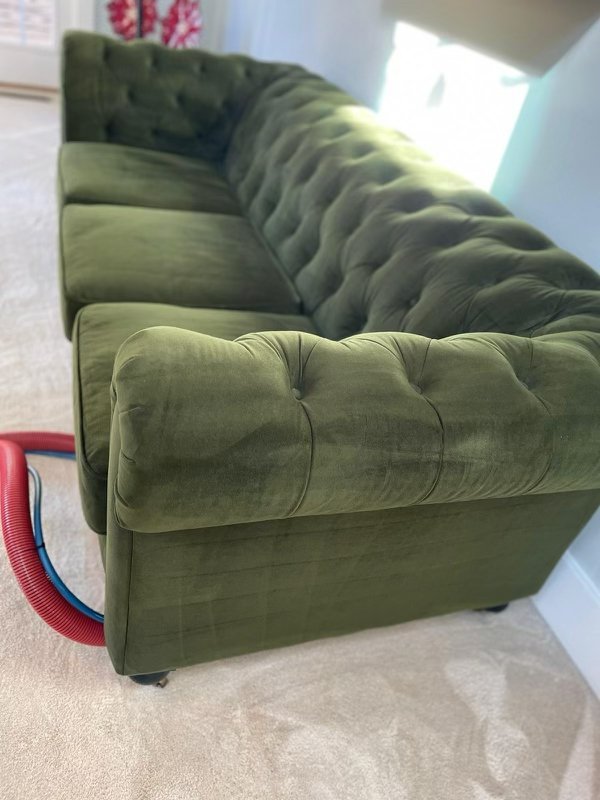
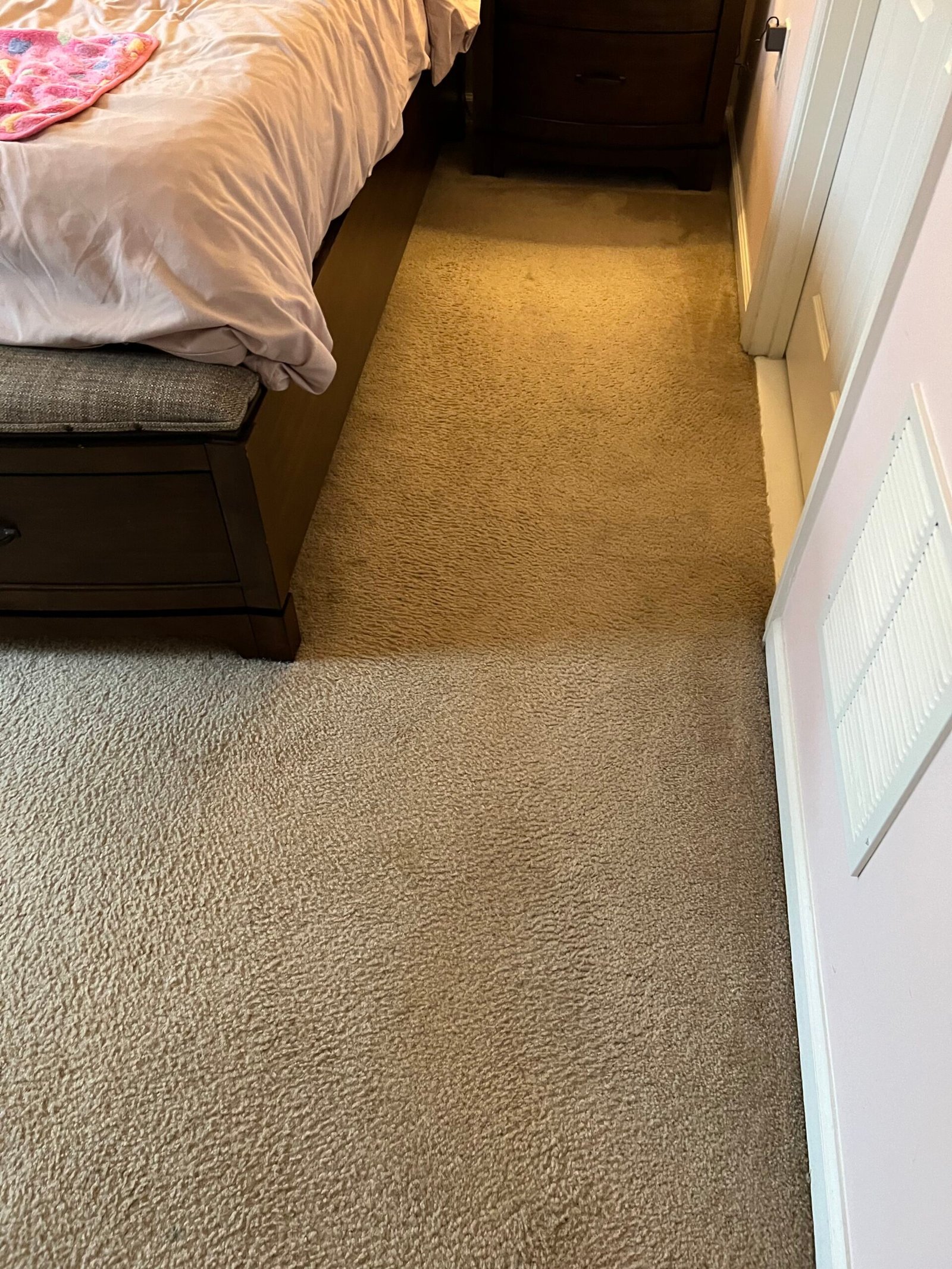
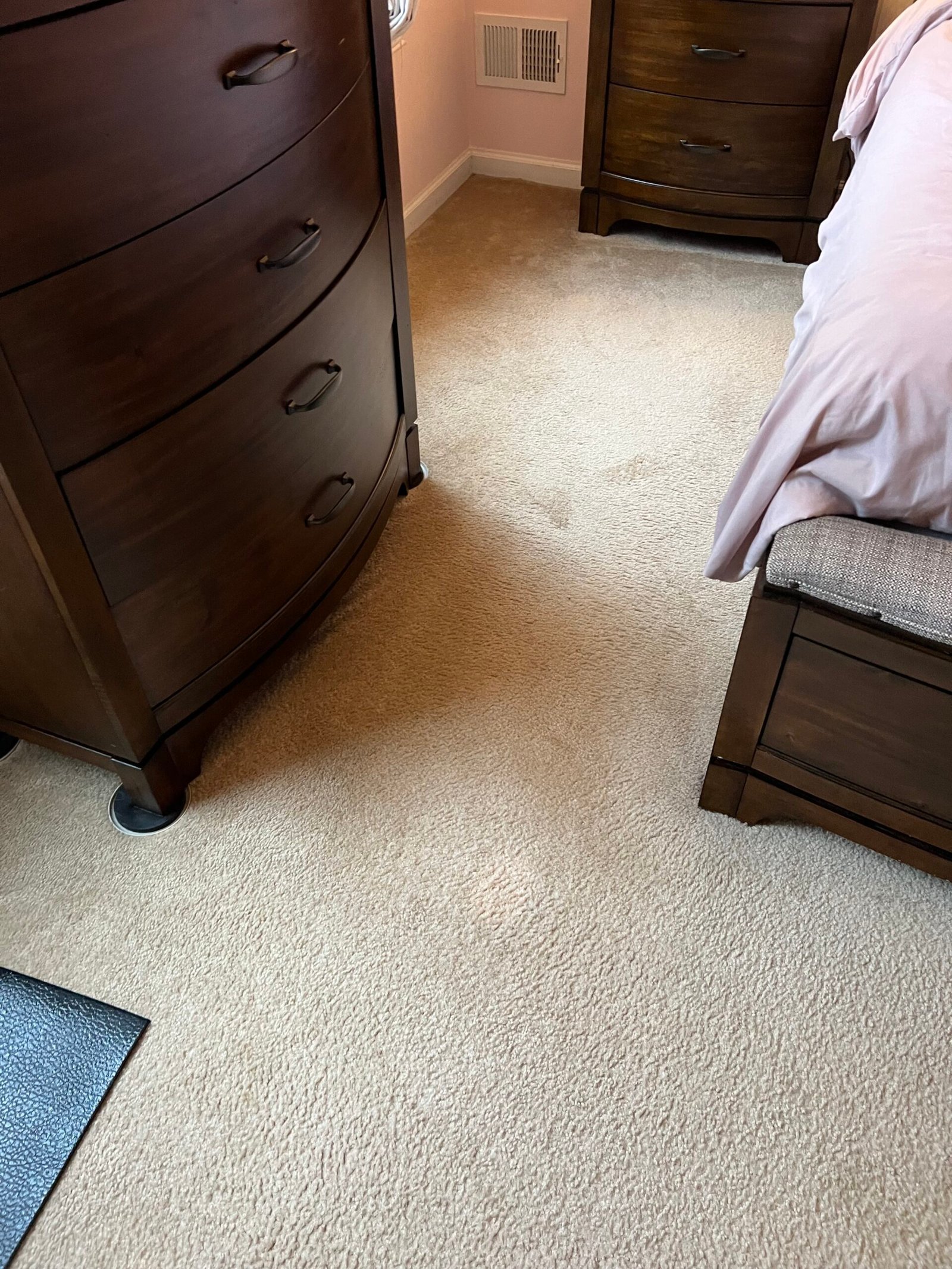
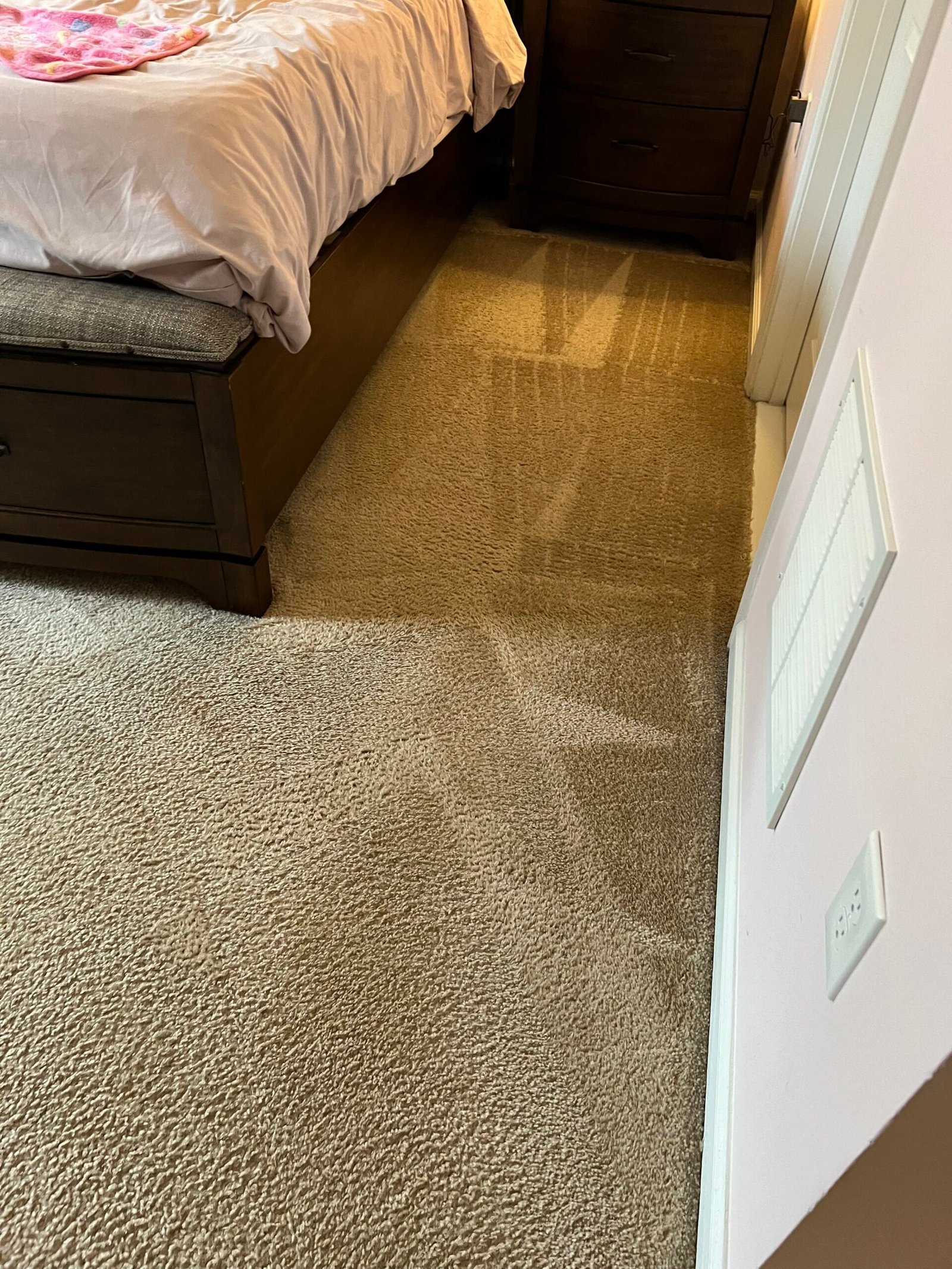
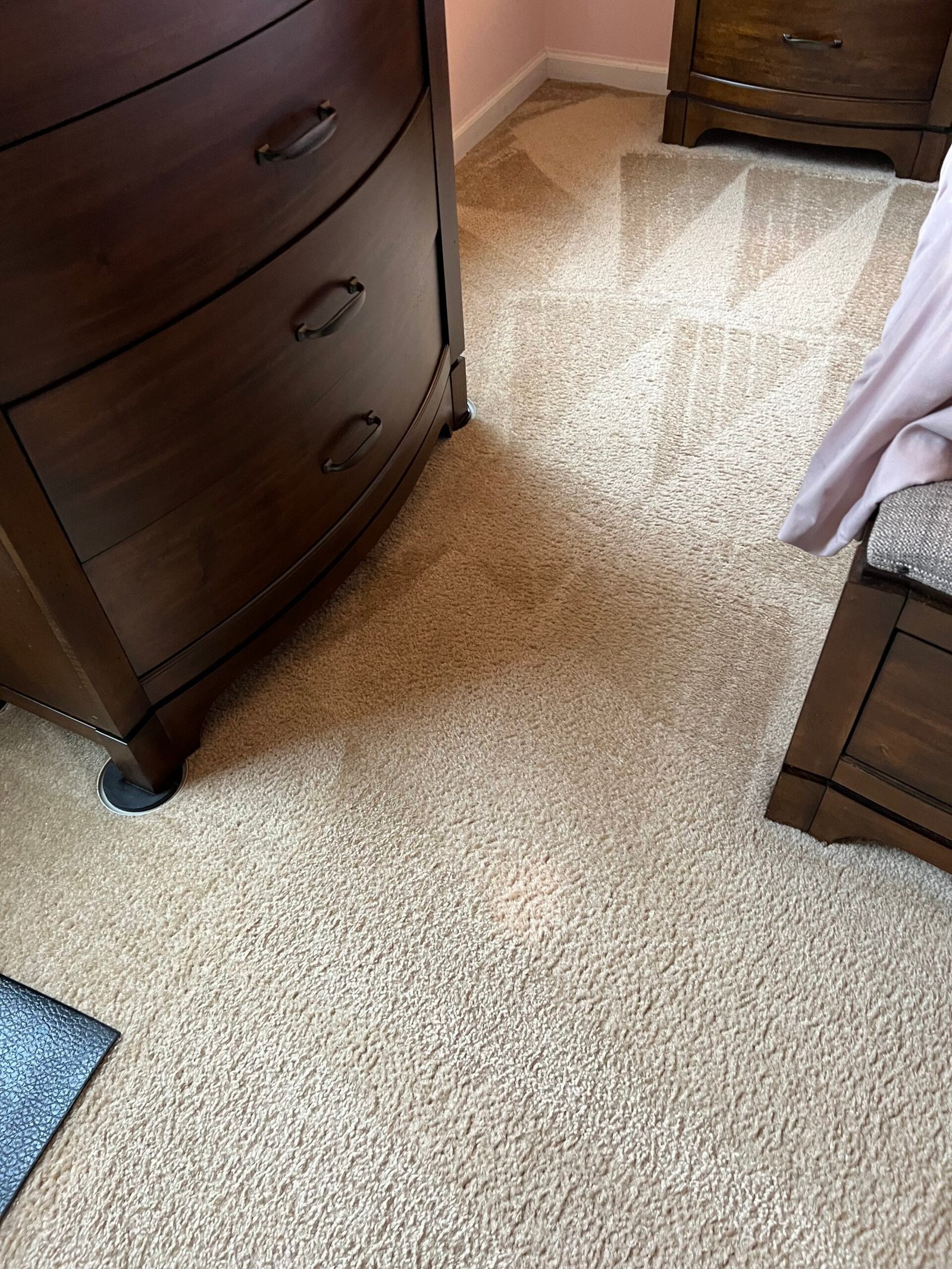
What this looks like
A real job, before and after. Drag the handle.
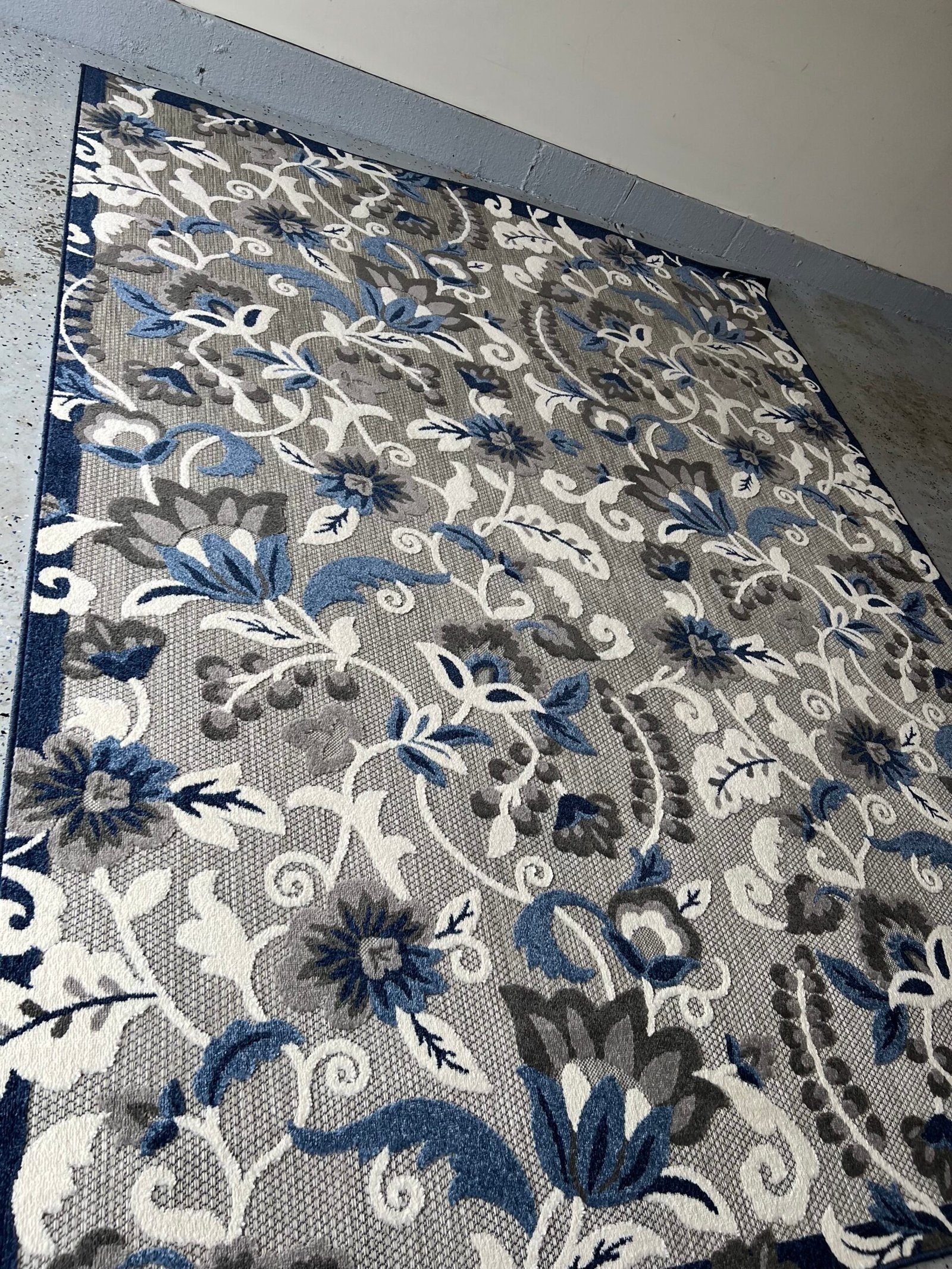
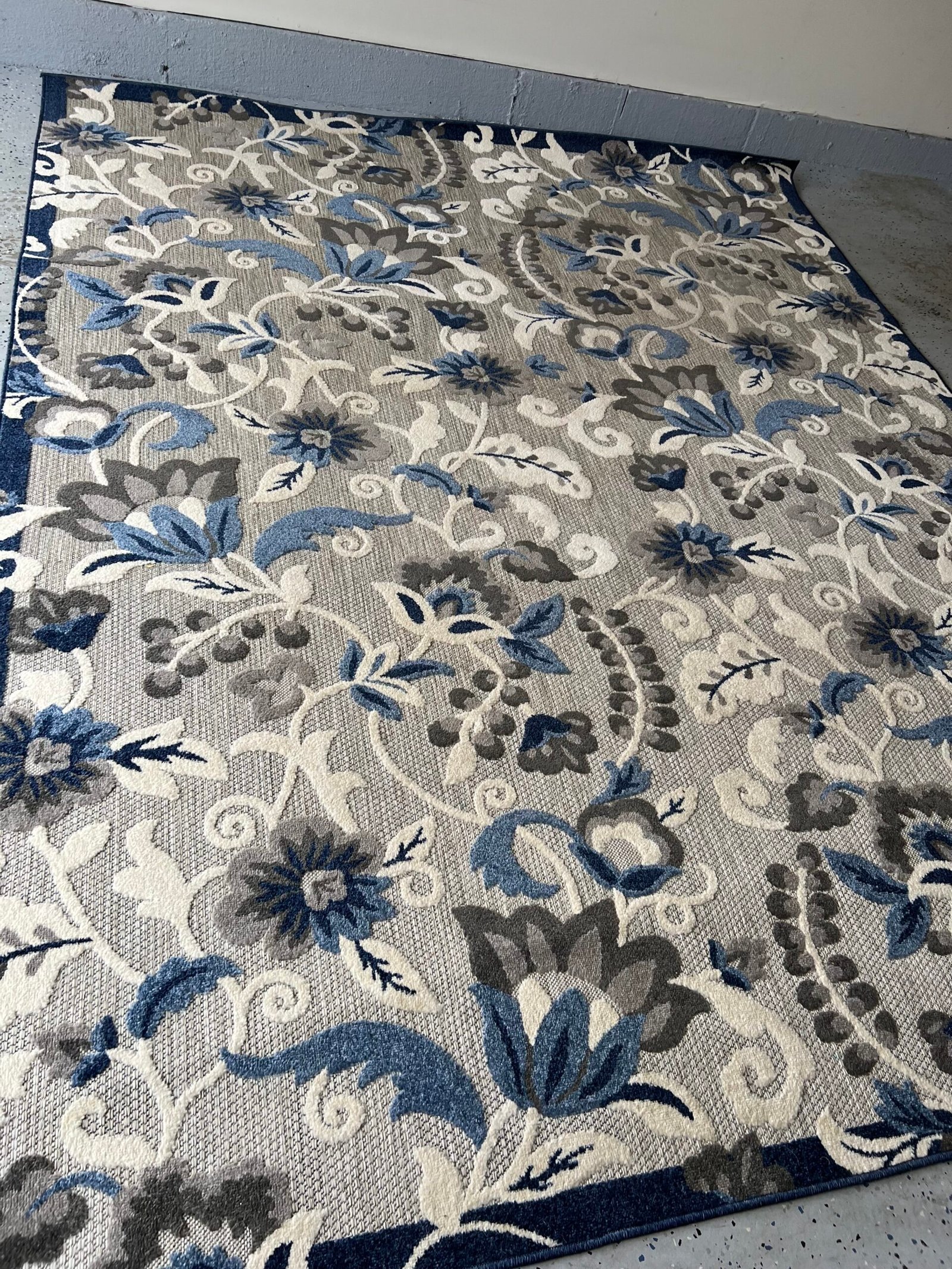
Drag the handle. The left half is where we came in.
Questions we get about this
The chair came from my grandmother and has no label. Will you clean it?
Only after a test tells us it is safe. We work a hidden panel with a mild solution, press a white towel into it to check for dye movement, then watch the damp edge as it dries to see whether a ring forms. If either happens, we do not wet clean the piece. Dry soil removal is still worth doing and carries no risk to a chair you cannot replace.
What is wrong with getting an antique wet?
Two things, usually. Older fill such as cotton batting or horsehair absorbs water, dries slowly, and can wick a brown discoloration up through the face fabric days later. And older finishes on exposed wood bloom white when water sits on them, while hide glue in the joints softens with moisture. The fabric may be perfectly capable of taking water while the piece as a whole is not.
Our sofa was reupholstered years ago. Does that make it easier?
It usually helps, because a newer face fabric over the old frame behaves more predictably. What it does not do is give us a code, since the original tag no longer describes what is on the piece. We still test a hidden area first. If you kept any paperwork from the upholsterer, the fiber content on it saves us a good deal of guessing.
Can you get equipment up our staircase?
The hose goes up, not the machine. We route it along the wall and protect it at every corner and at the winder, which is where damage to plaster and to a handrail actually happens. Old houses here have tight turns and we plan for them. If a particular upstairs room cannot be reached safely with a hose, we would rather tell you that when you book than on the day.
The fabric on our settee is splitting along the folds. Is that repairable by cleaning?
No, and cleaning would make it worse. Fabric that splits along fold lines has lost its strength through age and light exposure, and any agitation or moisture accelerates the failure. What we can do is a very gentle dry soil removal with reduced suction so the piece is cleaner without being stressed. Beyond that the honest recommendation is reupholstery, not cleaning.
Will you move furniture off our old floors to clean it?
We prefer not to drag anything across heart pine or an old finish. Instead we block the feet up off the floor, lay protection across the entire footprint, and work around the piece where it stands. If a chair is light enough to lift cleanly rather than slide, we may move it a foot or two for access, but nothing gets dragged across a floor of that age.
How long does the test take before you know whether you can proceed?
About twenty minutes on an unlabeled piece, including the time we wait for the test patch to dry so the edge can be inspected. On a house with several unlabeled pieces that adds up, which is why we ask about them when you book. It is not padding. It is the only reliable way to learn what a fabric will do before doing it everywhere.
Is dry cleaning by hand actually worth paying for on an old chair?
On a piece that has sat in a room for decades, yes. An upholstery tool over the panels and a crevice tool through every seam removes a surprising quantity of settled dust, grit and lint that has worked below the surface. Grit is abrasive against the fibers whenever anyone sits down, so taking it out extends the life of the fabric even though the color barely changes.
Have a look at it in person
Walkthroughs are free and take about fifteen minutes. We agree the scope together and point out anything that will not come out before a hose comes off the truck. Over a decade in Northern Virginia and that has not changed.