
Carpet Steam Cleaning in Sterling, VA
A rental turnover has a deadline attached to it, and damp carpet at a walkthrough reads as a failed unit whatever the extraction was like. The first thing I ask a landlord for is the inspection date, not the square footage.
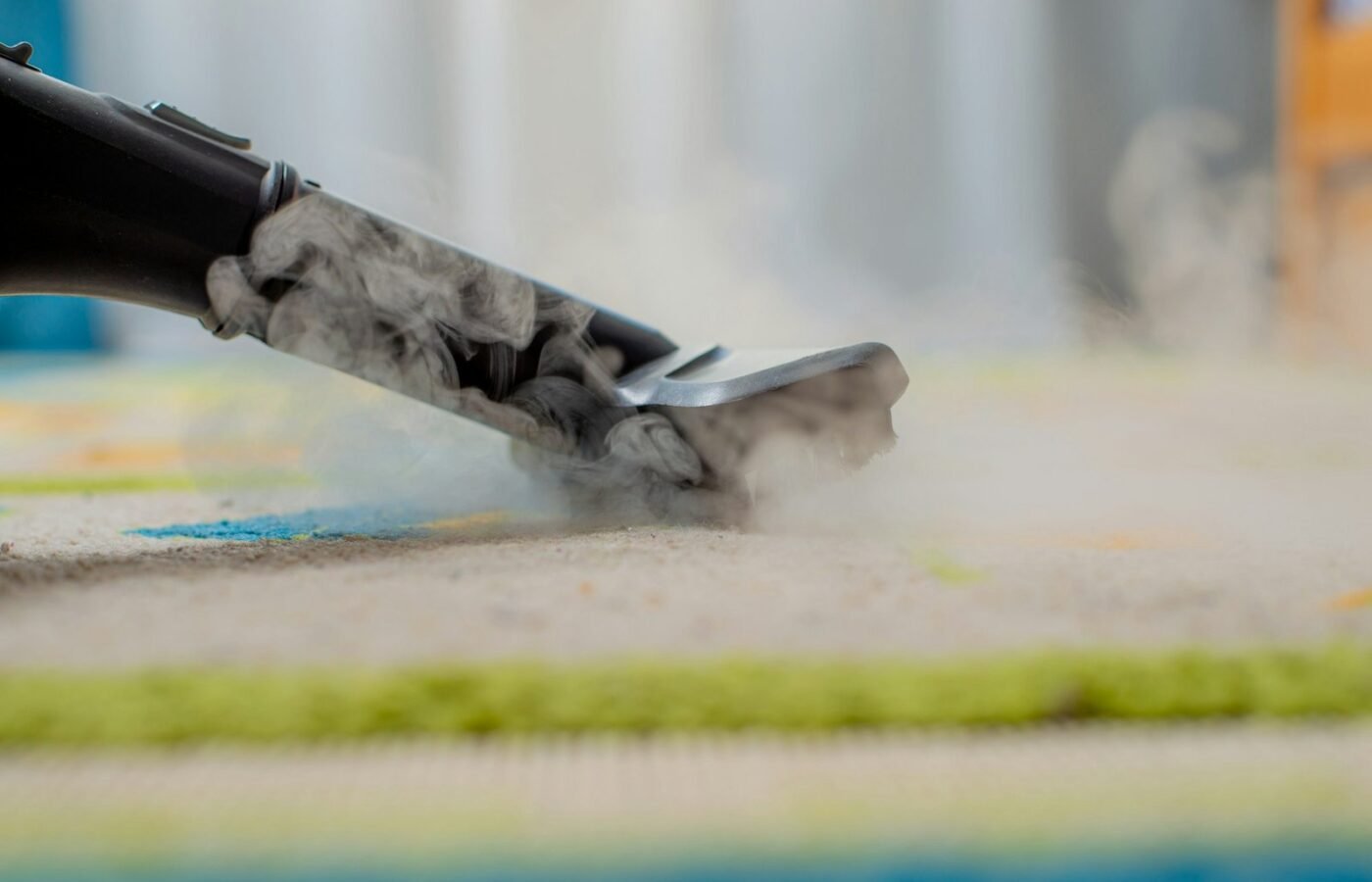
The date on the lease is the specification I work to
More than half of what I do in this town is tied to a calendar somebody else set. A tenant hands back keys on the thirtieth, an inspection is booked for the second, and the new lease starts on the fifth. That means steam cleaning in Sterling is not only a question of how clean the carpet gets, it is a question of whether the floor is genuinely dry when a property manager walks in with a clipboard. Damp carpet at a walkthrough reads as a failed unit no matter how good the extraction was.
So when a landlord calls about steam cleaning in Sterling, the first thing I ask for is not square footage. It is the inspection date and time. Everything else, how many passes, how much water goes down, how many air movers stay behind, is set to land safely inside that window with hours to spare rather than minutes.
What actually controls drying time
Drying is not a fixed number and anyone who gives you one without seeing the unit is guessing. Four things move it, and I can influence three:
- How much water went in. Wand speed and the ratio of wet passes to dry strokes matter more than anything else. A slower final dry pass removes a surprising amount.
- Vacuum lift at the wand. Around 15 inches of mercury is what pulls the water back out. Weak recovery is the usual reason a floor is still wet the next morning.
- Air movement. Movers aimed across the floor rather than at a wall, plus the unit’s own system set to circulate, cut hours off.
- Humidity and season. A humid August turnover dries far more slowly than the same unit in October, and that is the one I cannot control, only plan around.
On an empty unit with movers running, four to eight hours to dry to the touch is normal. In a humid stretch, or in a lower level, I plan on the long end and schedule the job a day earlier rather than promise the short end.
Hot water extraction in Sterling on a tight turnover is therefore as much about sequencing as technique. I would rather clean a unit on Tuesday for a Thursday inspection and leave movers running than clean it Wednesday evening and spend the night hoping.
Empty units clean better, and that is worth using
Why a turnover is the best chance the carpet gets
A vacant unit removes every constraint that slows an occupied house. Nothing has to be moved and set back on protectors. Air movers can go wherever they do the most good instead of where they are least in the way. I can make as many passes over a lane as the recovery water tells me to, and I can leave the place shut up with the system running.
That means a turnover is the right moment for the full method rather than a light pass: alkaline pre spray mixed to a pH near 10, agitated into the base of the pile, dwelling the full 10 to 20 minutes, then truck mounted extraction at 400 to 500 psi with water near 230 degrees Fahrenheit, finishing with a rinse to pH 5.0 to 6.0. Carpet in a rental has usually had years of tenants and no attention. This is the one window where it gets the real thing.
It is also the only realistic moment to correct years of neglect. A unit that has passed through several tenancies with nothing more than a vacuum has soil sitting on the backing, and no amount of surface work touches it. Bonnet cleaning will make it presentable for photographs. Encapsulation will hold it together until someone walks on it. Neither removes the material, and on a floor a landlord wants to keep for another five years, removal is the whole point of the exercise.
What an inspector is looking at, and what they are not
Inspection reports rarely say much about the base of the pile. They say things like odor, stains, matting and damp. That is a shorter list than mine, and it helps to know where they overlap. Odor and damp are both directly in my control. Stains are a case by case matter, since some are soil and come out entirely while others are dye and are permanent regardless of method. Matting is wear and no cleaning reverses it. I will walk the unit with you beforehand and separate those categories honestly, free and with no obligation, so nobody is surprised on the day.
The one thing I will not do is put down anything that masks odor for a walkthrough. Perfume on a contaminated pad is a two day illusion, and when the new tenant reports it in week three the problem is bigger and the trust is gone. If the pad is the issue, pet odor removal in Sterling is the correct procedure and I will say so.
Mixed housing, mixed fiber, one route
Sterling, Virginia covers a wide span of construction ages across 20164, 20165 and 20166, and the carpet reflects it. A newer townhouse is almost always nylon. An older unit that has been re carpeted a piece at a time can hold three different fibers on three levels, and running nylon settings across an olefin or a wool floor is exactly the error that produces a complaint. I test each level before wetting anything.
Because Loudoun County turnovers cluster around the start and end of a month, a same week appointment near those dates is possible but tighter, and I would rather book you early than squeeze you in the afternoon before an inspection. Landlords handling several units at once often pair floors with upholstery cleaning on furnished rentals, curtain cleaning on panels left with the unit, and rug washing for anything loose. Routine work between tenancies is covered at carpet cleaning in Sterling. I run the same schedule through Ashburn and Herndon, which makes multi property days practical.
Recent steam cleaning and hot water extraction work
Real jobs in Northern Virginia homes, photographed on the day.
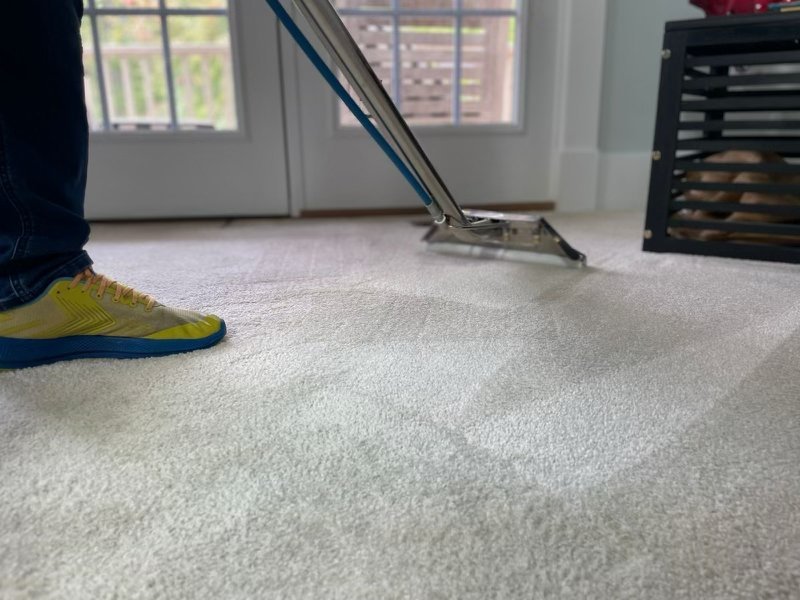
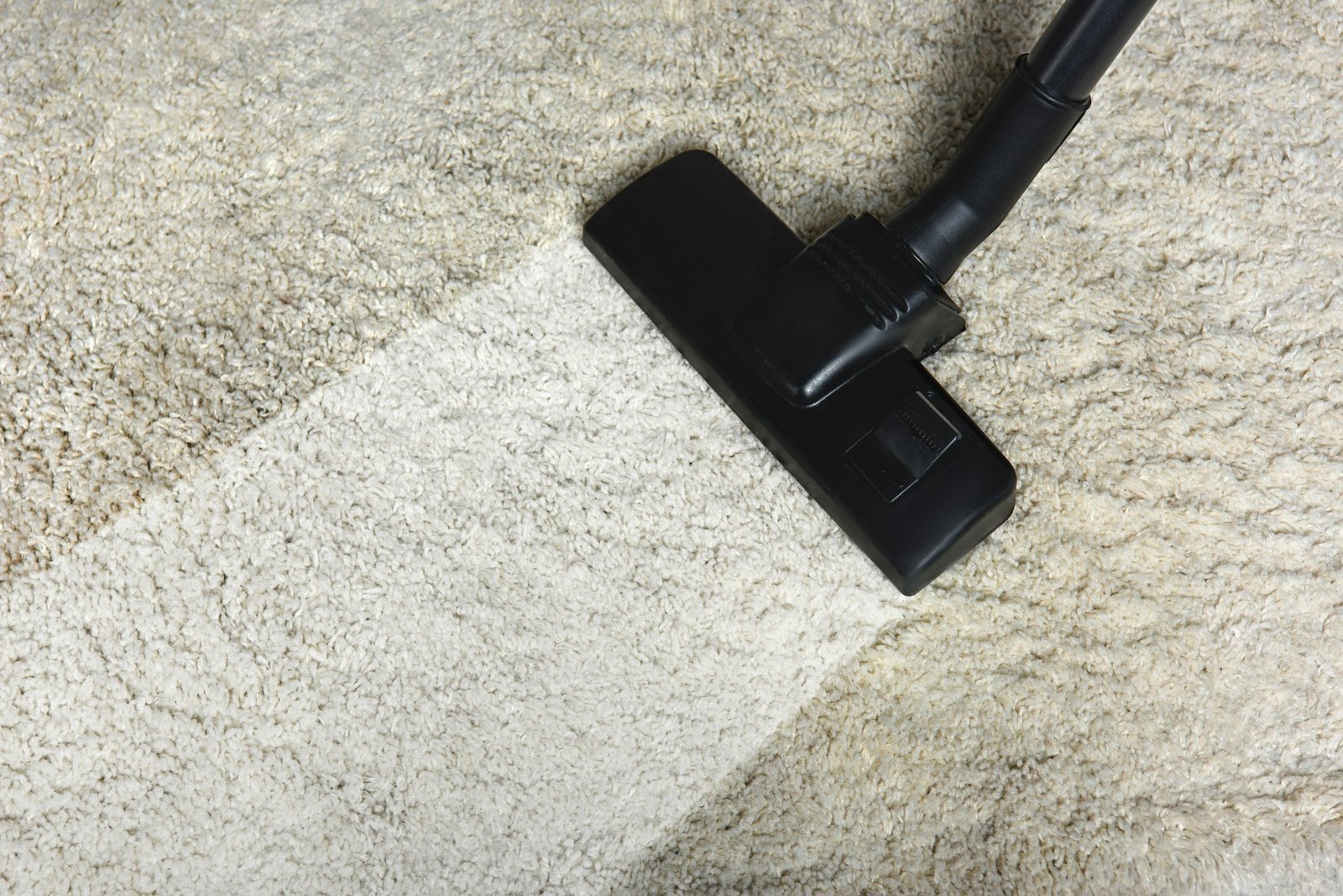
What this looks like
A real job, before and after. Drag the handle.
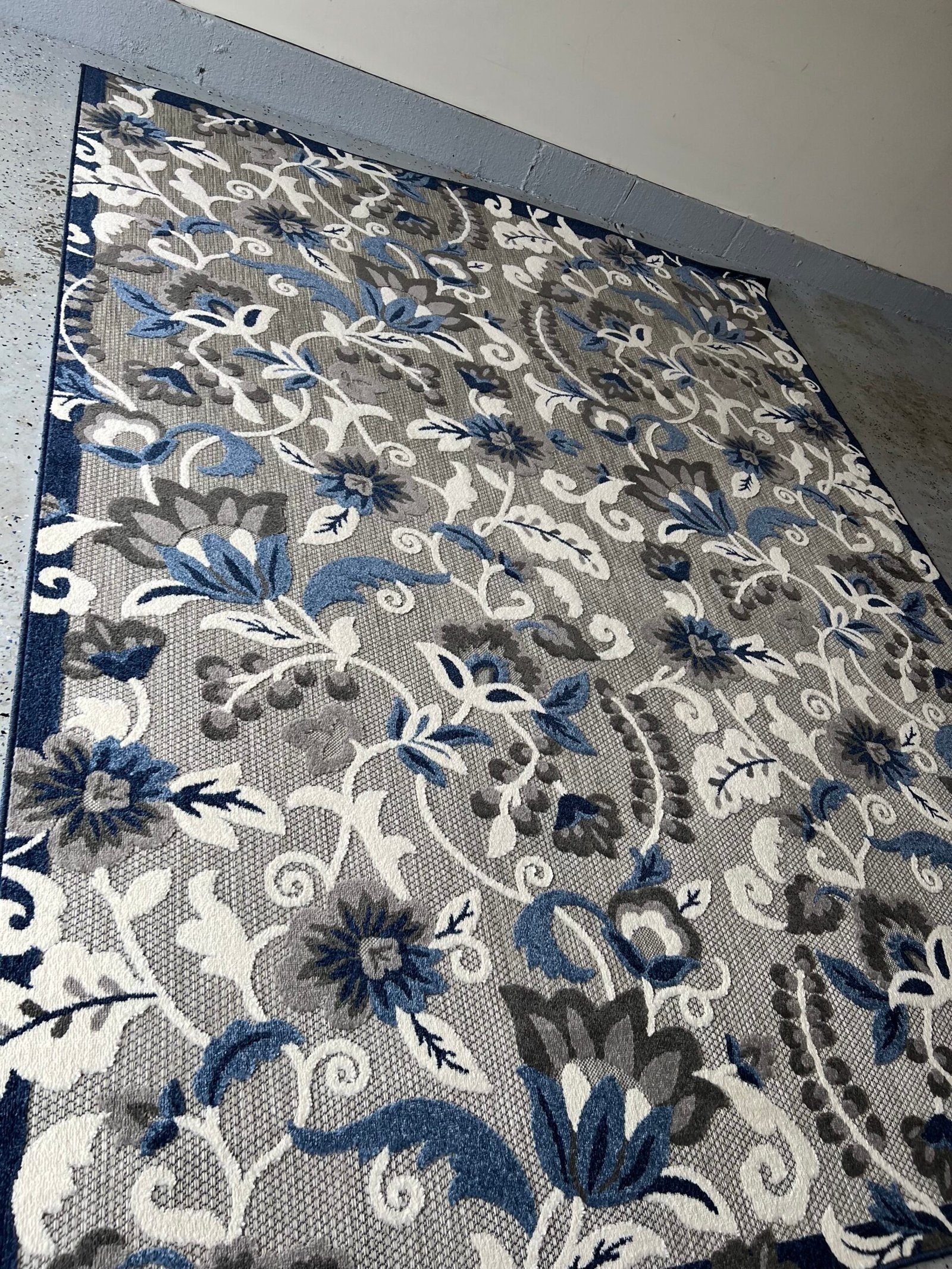
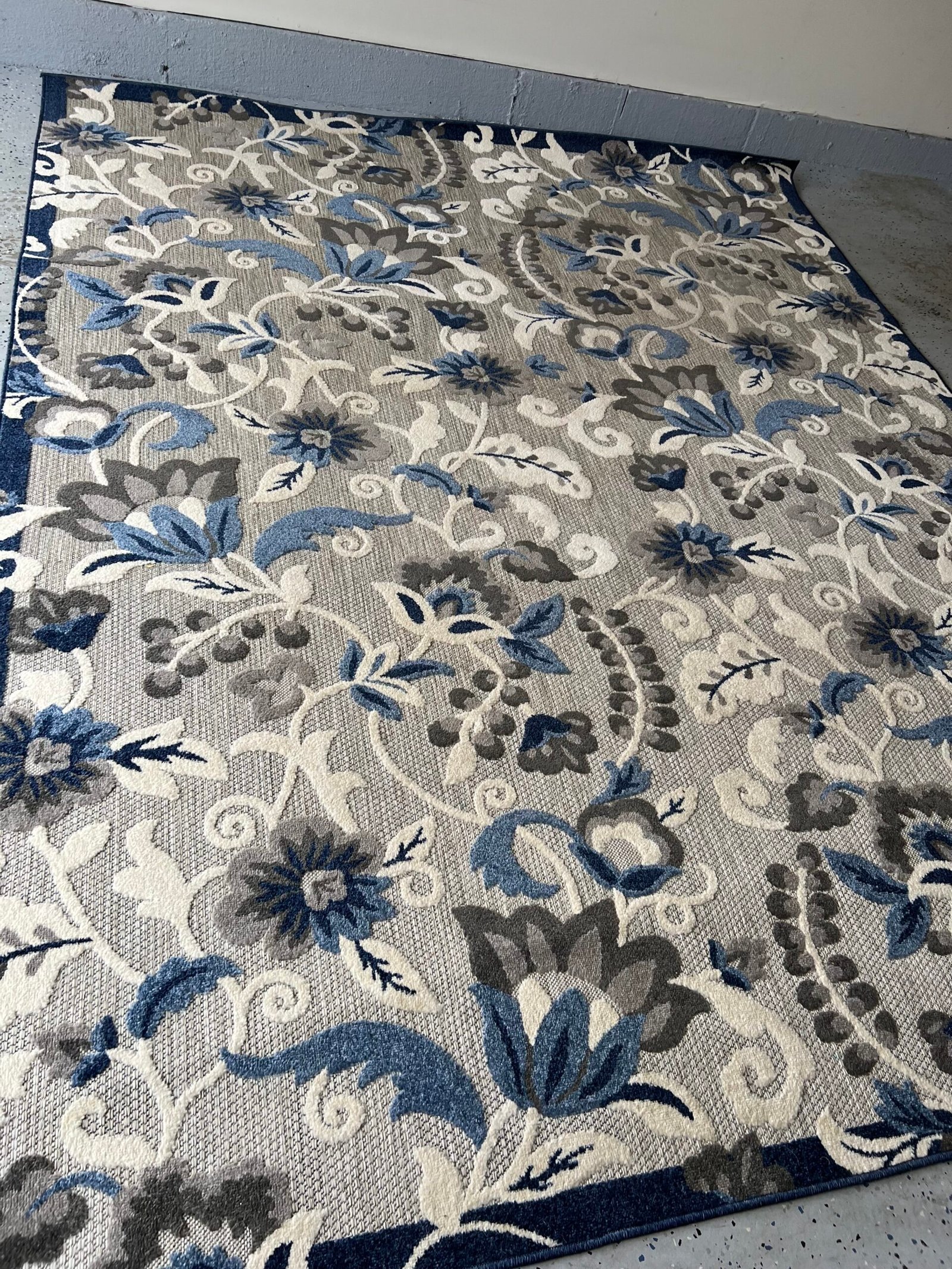
Drag the handle. The left half is where we came in.
Questions we get about this
Our inspection is at ten in the morning. When should the carpet be cleaned?
The day before, ideally in the morning. That gives a full day plus overnight with air movers running, which clears the drying question entirely. Cleaning the same morning as an inspection is possible in a small unit but leaves no margin, and if the day turns humid there is nothing left to adjust. I would rather book you a day early.
How do you make a unit dry faster when the schedule is tight?
Three levers. I slow the final dry pass so more water comes out at the wand, I place air movers to sweep air across the floor instead of into a wall, and I set the unit's own system to circulate. The one thing I will not do is reduce the rinse, because skipping that trades a quick dry for carpet that re soils in weeks.
Will a walkthrough inspector notice carpet that is only slightly damp?
Usually yes. Inspectors kneel and press a hand into the pile, and slightly damp carpet is obvious that way even when it looks fine standing up. It also tends to be recorded as a possible moisture issue rather than as a recent cleaning, which is the worst of both outcomes. Margin on the schedule prevents that entirely.
Is it better to clean before the tenant moves out or after?
After, in almost every case. An empty unit lets me move at full method, no furniture to work around, air movers wherever they help most, and as many passes as the recovery water calls for. Cleaning around a household that is still packing means working twice and getting a worse result the first time.
Some marks did not come out. Were they missed?
More likely they are dye rather than soil. Soil sits on and between fibers and extraction removes it. A dye stain from a drink, a plant product or a cosmetic has chemically bonded to the yarn and is a different problem, sometimes correctable and sometimes permanent. I identify which is which during the walkthrough so it is not a surprise afterward.
Can you deodorize a unit so it passes inspection?
I will not mask odor for a walkthrough. If the smell comes from urine that reached the pad, perfume covers it for a day or two and then it returns worse, usually reported by the incoming tenant. The honest route is treating the pad itself, which is a separate procedure, and I will tell you plainly when that is what the unit needs.
We manage several units turning over the same week. Can they be done together?
Often yes, and grouping them is efficient for both of us. Send me the addresses and the inspection dates and I will sequence them so each has a full drying window. Turnovers cluster at the start and end of the month here, so the earlier that list reaches me the more likely I can fit all of them.
The unit has different carpet on each floor. Does that slow things down?
A little, and it is necessary. Older properties re carpeted a piece at a time can hold nylon on one level, olefin on another and occasionally wool. Each needs its own temperature and pre spray, so I test before wetting anything. The extra ten minutes of testing prevents the kind of damage that ends a tenancy in an argument.
Have a look at it in person
Walkthroughs are free and take about fifteen minutes. We agree the scope together and point out anything that will not come out before a hose comes off the truck. Over a decade in Northern Virginia and that has not changed.